Train or Bus Between European Cities? A Route-by-Route Decision Guide
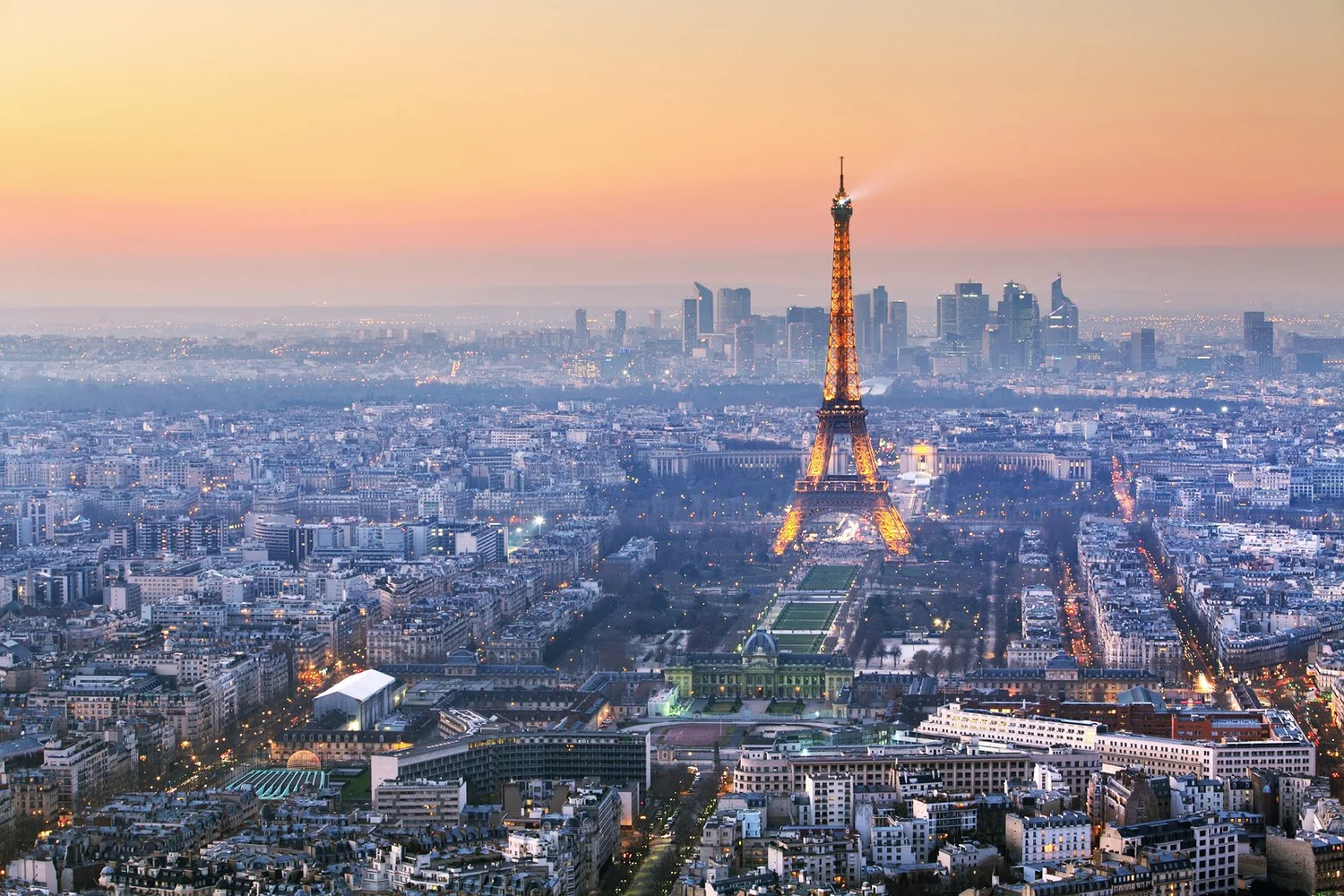
A European itinerary is more than a list of cities. The way you travel between them decides whether a transfer takes a morning, most of a day, or becomes part of the holiday itself.
Choosing a European itinerary also means choosing how you connect the cities. A rail journey and an escorted coach tour can cover some of the same ground, but they shape each day differently: how long you spend in transit, how many stops you make, and how much independence you have.
This guide compares four point-to-point legs on the London–Paris–Zurich–Venice–Rome route, then looks at the exact escorted trips you named: Contiki’s Rome to London Trail and Trafalgar’s European Dream. We compare those with Discovery Escapes’ 10-day Europe Express, which connects London and Rome by rail through Paris, Zurich and Venice.
The short version: Europe Express is a rail itinerary built around city stays; Contiki and Trafalgar offer guided, group coach trips on different routes. The best fit depends on whether you want the group structure and added stops—or more time to explore the cities along a rail route.
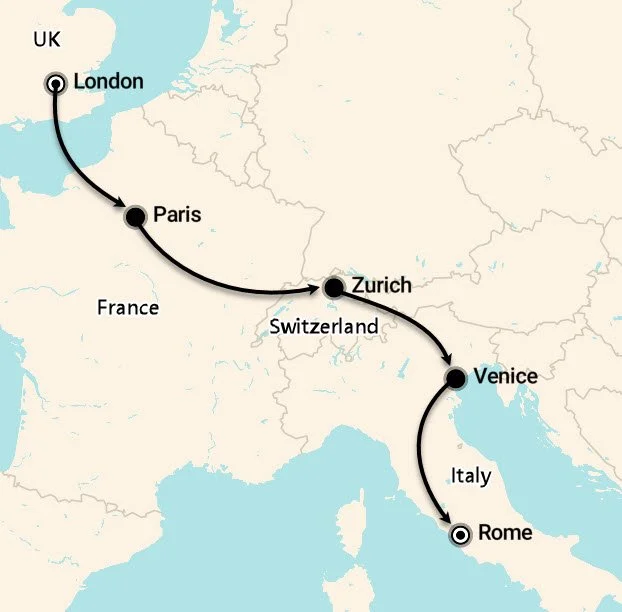
At a glance: The Discovery Escapes Europe Express links London, Paris, Zurich, Venice and Rome over 10 days, using trains between the cities. Comparing published minimum journey times for those same four city pairs gives roughly 16½ hours by rail versus about 30½ hours by scheduled coach, before station access, check-in, delays or breaks.
That is a route-planning illustration, not the total duration of either a group tour or an actual booking. Exact departures change by date, and a coach tour may add sightseeing stops while a rail traveller chooses their own.
Point-to-point train and bus times on the route
These are the fastest or indicative journey times published by the transport operators when checked on October 10, 2026. Linked rail and coach pages show example journey times; these describe time in transit, not the full door-to-door day. A scheduled coach between two cities is different from an escorted coach tour with a group itinerary.
| City pair | Rail example | Scheduled coach example | What the gap means |
|---|---|---|---|
| London → Paris | 2 hr 17 min | 8 hr 56 min | Rail saves most of a travel day. |
| Paris → Zurich | 4 hr 04 min (direct) | 8 hr 35 min | A direct train makes this a straightforward half-day connection. |
| Zurich → Venice | 6 hr 09 min (direct) | 7 hr 20 min | The time difference is modest; price and departure time may decide it. |
| Venice → Rome | Under 4 hr by train | 5 hr 40 min | Rail gives you more of the day at either end. |
The listed minimums are not guaranteed departures and do not include getting to a station, boarding procedures or local transport at arrival. FlixBus schedules and rail timetables vary by date; check the exact travel day before booking. A coach-tour itinerary is a different product from a scheduled point-to-point bus and may include group stops, ferry crossings and sightseeing.
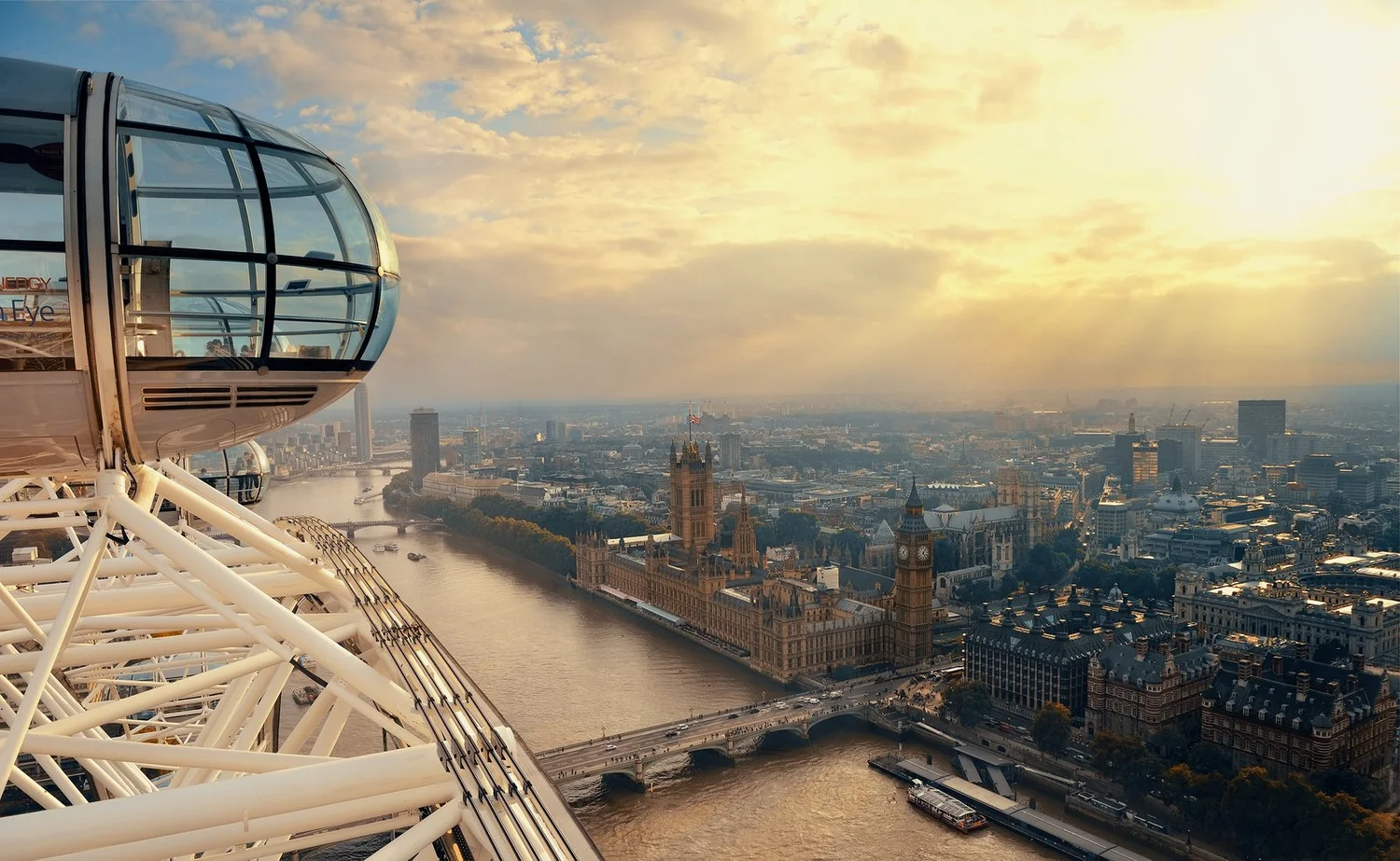

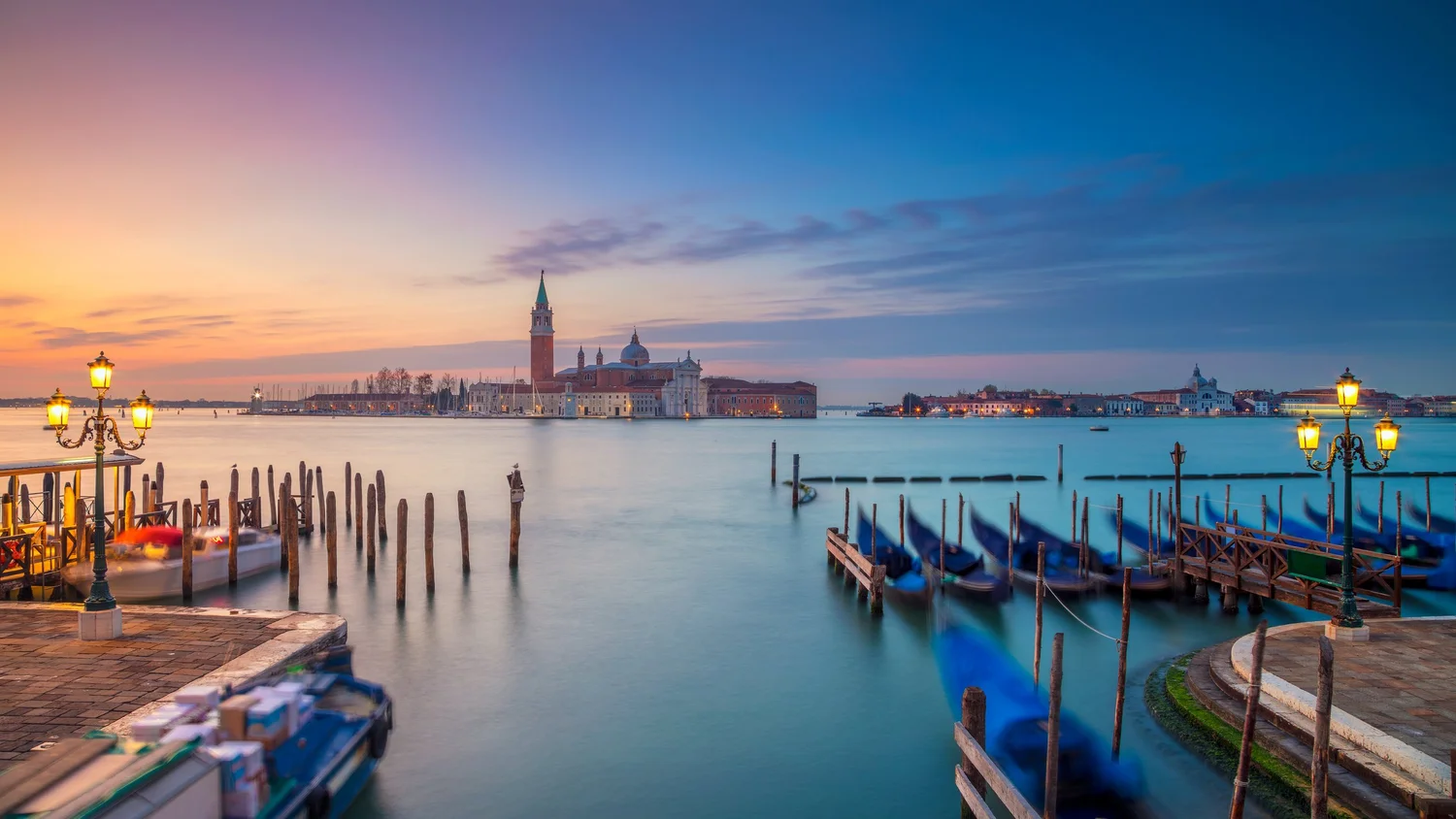
Five city stops, four intercity legs. The time comparison follows the itinerary rather than treating Rome as one very long transfer from Paris.
What changes from one leg to the next?
London to Paris: the train wins on usable holiday time
The rail journey from London to Paris takes about 2 hours 17 minutes, arriving at Gare du Nord. The quickest listed scheduled coach takes 8 hours 56 minutes. The coach option is often chosen for a lower fare or an overnight departure, but it includes a Channel crossing and uses road terminals rather than the direct high-speed rail link. Check the specific departure to see how it crosses the Channel and which terminals it uses.
For a multi-city holiday, this is the clearest case for rail. When you spend only a few nights in Paris, arriving several hours earlier can mean time for lunch, a museum reservation or a real first afternoon—not simply a shorter transfer on paper. Our Paris travel guide has more ideas for planning that time in the city.
Paris to Zurich: a direct train avoids an all-day road leg
Direct trains cover Paris to Zurich in about 4 hours 4 minutes. The quickest listed scheduled coach takes 8 hours 35 minutes. For the rail itinerary, the connection is unusually simple: board at Gare de Lyon and arrive at Zurich HB without changing trains. The direct train also stops at several French and Swiss towns along the way.
This is one of the strongest reasons to choose rail for a custom London-to-Rome route. Paris and Zurich are both useful overnight stops; travelling between them by train leaves room to enjoy both, while the coach uses substantially more of the day. If you select the bus, compare the arrival terminal with your hotel and calculate any onward tram or taxi.

Zurich to Venice: a scenic rail day, with a closer coach comparison
A direct daily train from Zurich HB to Venice takes about 6 hours 9 minutes, crossing the Alps into Italy without a change. The shortest listed scheduled coach journey takes 7 hours 20 minutes. Unlike Paris–Zurich, the gap here is closer to an hour, so departure time, price, views and where you want to arrive matter almost as much as the clock.
Rail is attractive if the ride through the Alpine corridor is part of the trip and you want a direct station-to-station connection. A coach can be a sensible alternative if its departure fits better or the fare is meaningfully lower. Confirm whether the coach arrives at Venice Mestre, Tronchetto or Piazzale Roma: “Venice” can mean different onward transfers depending on the stop. For more rail-based itineraries, browse our Europe train tours.

Venice to Rome: frequent high-speed trains keep the itinerary moving
Frequent trains connect Venice and Rome in under four hours. The quickest listed scheduled coach takes 5 hours 40 minutes. The rail journey runs from Venezia Santa Lucia or Mestre toward Roma Termini, depending on the service; check the station on your ticket and allow time to get to your hotel once you arrive.
This leg is a good example of why it helps to compare the whole stop pattern. If Venice is a two-night stay and Rome is your final city, a faster daytime train protects a usable morning or afternoon at each end. A night coach may work better for travellers who are comfortable sleeping en route and place a higher value on saving a hotel night than arriving rested.
So how much time can rail save across the whole route?
If you add only the four shortest published journey-time examples above, the rail legs total under 16 hours 30 minutes; the scheduled coach minima add to about 30 hours 30 minutes. That is an illustrative difference of roughly 14 hours across London–Paris, Paris–Zurich, Zurich–Venice and Venice–Rome—not a claim that you travel continuously for 16 or 30 hours, and not a measured comparison of Contiki or Trafalgar's guided-tour timetables.
On a ten-day itinerary those legs happen on different days, with nights in the cities between them. The point is not to rush faster; it is to decide how much of each day you want to spend in transit. Real door-to-door time includes reaching the station, boarding, the arrival transfer and any connection. Train schedules can also differ by weekday or season, and the single direct Zurich–Venice direct train service may not suit every departure plan.
How do the two coach tours compare with Europe Express?
Contiki’s Rome to London Trail is an eight-day escorted coach trip that starts in Rome and ends in London, with stops that include Florence, the Swiss Alps and Paris. Its current page presents a group trip with a Trip Manager, driver team, local guides and included experiences. The route is in the opposite direction to Europe Express and is designed as a fast-moving group tour.
Trafalgar’s European Dream is also eight days, travelling from Rome to Paris across four countries and six cities. Its published route includes Florence, Venice, Lucerne and Paris, with a Travel Director, local experiences, four-star stays and deluxe coach travel. As with any operator, confirm the details for the departure you are considering.
Discovery Escapes’ Europe Express takes 10 days from London to Rome, stopping in Paris, Zurich and Venice. Its product page lists train transportation. Rather than treating escorted tour coaches as interchangeable with scheduled point-to-point bus tickets, compare the whole holiday: direction, overnight city stops, trip length, group size, included sightseeing, hotel style and how much free time you want. These are different products for different travel preferences.
Three Discovery Escapes tours to explore
These Europe itineraries connect cities around the London–Paris–Rome route in different ways. Select one to see its current schedule and inclusions.
Europe Express
London to Rome via Paris, Zurich and Venice, with train travel between the cities.
Explore Europe Express →
From London to Rome
A shorter London-to-Rome route via Paris, Zurich and Milan, with train travel between cities.
Explore From London to Rome →
France, Switzerland and Italy
Travel by train from Paris and the Loire Valley through Lucerne, Venice and Florence to Rome, with guided visits and city stays along the way.
Explore France, Switzerland and Italy →All three Discovery Escapes European tours shown here use train travel between destinations. Compare the full Europe tours collection for more routes, current inclusions and departure options.
A shorter rail route with time for the stops
The 10-day Europe Express travels from London through Paris and Zurich to Venice and Rome by train. It is designed around the city stops—not one long Paris-to-Rome transfer. Prefer a different pace, extra nights or another balance of cities? Explore custom Europe trip ideas or the Europe train tours collection.
When should you choose a train, and when a coach?
Choose rail when…
You are travelling between major cities with frequent, direct services; you want to protect sightseeing time; your stations are near your hotel; or the rail route itself—especially through Switzerland and northern Italy—is part of the holiday. Book early when you can, compare fares on the operators’ sites and check the precise departure station. A direct train is particularly useful when your itinerary already includes an overnight stay in each city.
A coach may suit you better when…
The ticket price is your priority, a night departure helps you use the day, the route serves a smaller destination without a convenient train, or you want a guide and one coordinated group transfer. On an escorted coach tour, luggage handling and the shared schedule are part of the package. Read the itinerary for early starts, roadside stops and arrival terminals, and consider whether the extra hours on the road feel like part of the journey—or time you would rather spend exploring.
Compare the actual connection, not just the vehicle
Before choosing, check five things for the same travel date: published journey time, departure and arrival station, changes or ferry crossings, total fare with luggage and seat fees, and how much free time remains on arrival. A direct train is not automatically door-to-door faster if its station is far from your hotel; a low coach fare is not the whole cost if an out-of-centre stop requires an expensive transfer.
Frequently asked questions
Is the train or bus faster between European cities?
It depends on the route. In these examples, London–Paris and Paris–Zurich are much faster by rail; Zurich–Venice is closer, and rail remains under four hours for Venice–Rome versus the fastest published coach at 5 hours 40 minutes. Always compare the exact date and stations.
Can you travel from London to Rome by train with stops in between?
Yes. A multi-stop itinerary can use London, Paris, Zurich and Venice as separate destinations before Rome. Discovery Escapes’ Europe Express follows that five-city route over 10 days, so the journey is divided into manageable rail legs and overnight stays.
Are Contiki’s Rome to London Trail and Trafalgar’s European Dream coach tours?
Both current tour pages list coach travel. They are guided group itineraries with different route directions and stops; check the selected departure’s details before booking.
Does Europe Express use a bus?
No. The Europe Express product page lists train transportation for its London, Paris, Zurich, Venice and Rome route.
Is Zurich to Venice worth doing by train?
The direct train takes about 6 hours 9 minutes, compared with FlixBus’s shortest listed journey of 7 hours 20 minutes. The difference is modest, but the direct rail route through the Alps can make the transfer itself a highlight. Compare the actual departure time and coach arrival stop before deciding.
Should I book every European train in advance?
For popular high-speed and international trains, advance booking can give you more departure choices and access to lower fares. Check the ticket conditions, seat-reservation requirements and change rules before buying. Regional services may work differently, so verify each leg rather than assuming one rule applies across Europe.
Make the route your own
Want more nights in Paris, a different mix of cities or extra time for the places you care about most? Use a ready-made itinerary as a starting point, or tell us what you want from your next Europe trip. Read our guide to planning a custom Europe trip for ideas, then let us help shape the route around your pace and interests.
Prefer to browse first? See all Europe tours or explore custom Europe tours.
Journey times checked October 10, 2026 against the linked transport-operator route pages. Timetables, minimum durations and stops can change; check live availability for your travel date. Tour itineraries and transport modes can also vary by departure and version.