When to Travel to Asia
When to Travel to Asia: A Complete Guide by Country & Region
Asia is not a one-season-fits-all destination. Monsoons, trade winds, typhoons, and regional climate patterns mean the best time to travel to Asia depends heavily on where you’re going and what you want to experience. Understanding these seasonal differences can make the difference between perfect beach days and constant rain, or between comfortable sightseeing and intense heat.
This guide breaks down the best time to visit Asia, country by country and region by region, covering weather, travel conditions, and what each season is best for.

Thailand — Understanding the Two-Coast Weather System
Thailand is one of Asia’s most popular destinations, but many travelers don’t realize that its islands follow two completely different weather patterns depending on the coast.
West Coast (Andaman Sea): Phuket, Krabi, Phi Phi, Khao Lak
Best time to visit: November to April
This is Thailand’s classic dry season and the best time for island hopping, beach stays, and snorkeling along the Andaman coast. Expect sunny days, calm seas, and excellent visibility for diving.
November–February: Peak season with pleasant temperatures and low humidity
March–April: Hotter but still dry, great for beach-focused trips
May–October: Monsoon season with rough seas and frequent rain
This region is ideal for luxury beach resorts, limestone cliffs, boat tours, and marine activities during the dry months.
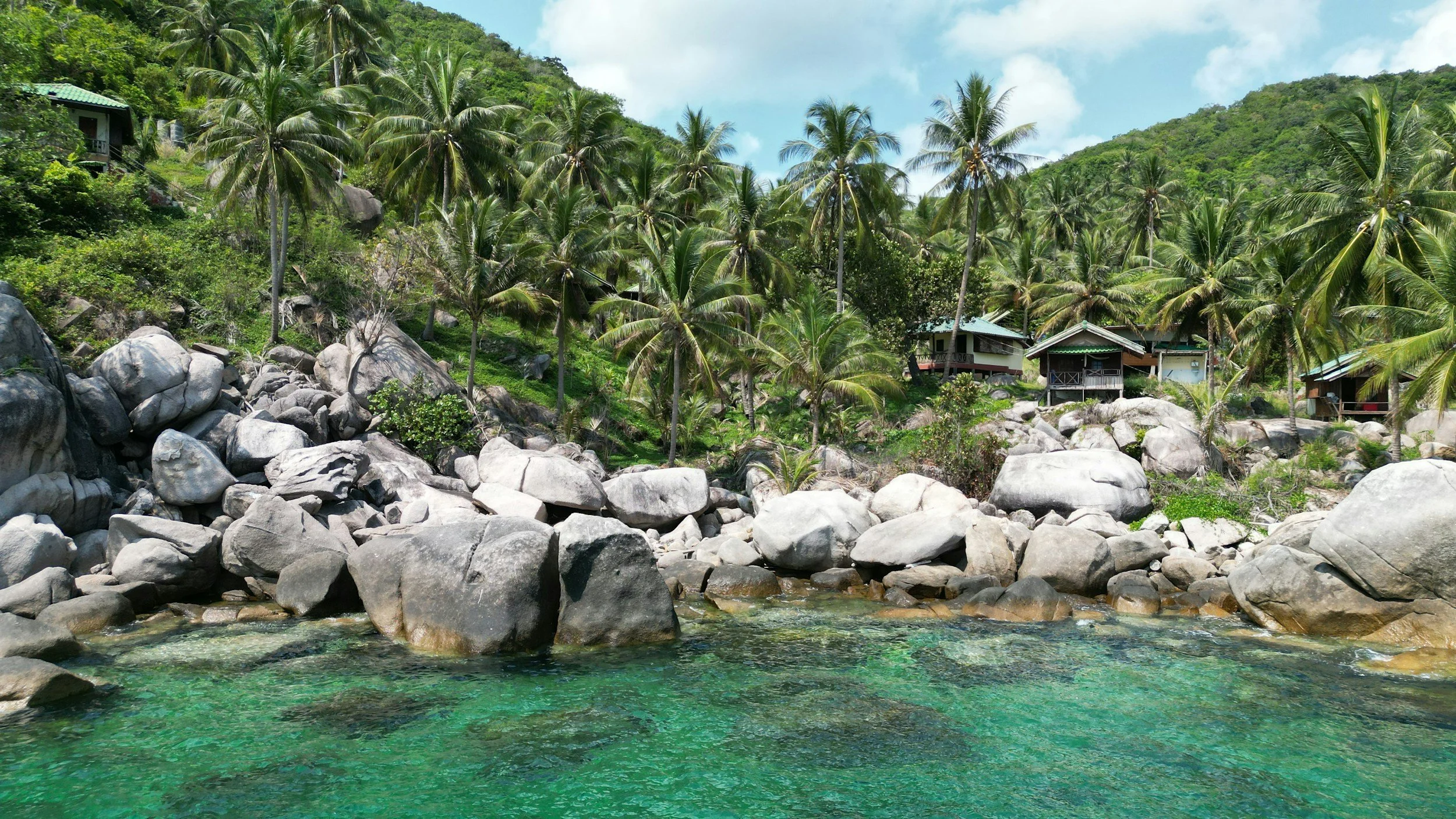
East Coast (Gulf of Thailand): Koh Samui, Koh Phangan, Koh Tao
Best time to visit: May to October
While much of Thailand experiences rain during these months, the Gulf islands enjoy relatively drier weather and calmer seas.
January–April: Generally good weather, but hotter
May–September: Best overall conditions for this coast
October–November: Heaviest rainfall period
This makes Koh Samui and Koh Tao perfect alternatives when the Andaman Sea is rough, especially for diving and relaxed island stays.
Vietnam — Best Time Varies by Region
Vietnam stretches over 1,600 km from north to south, meaning weather differs dramatically between regions.
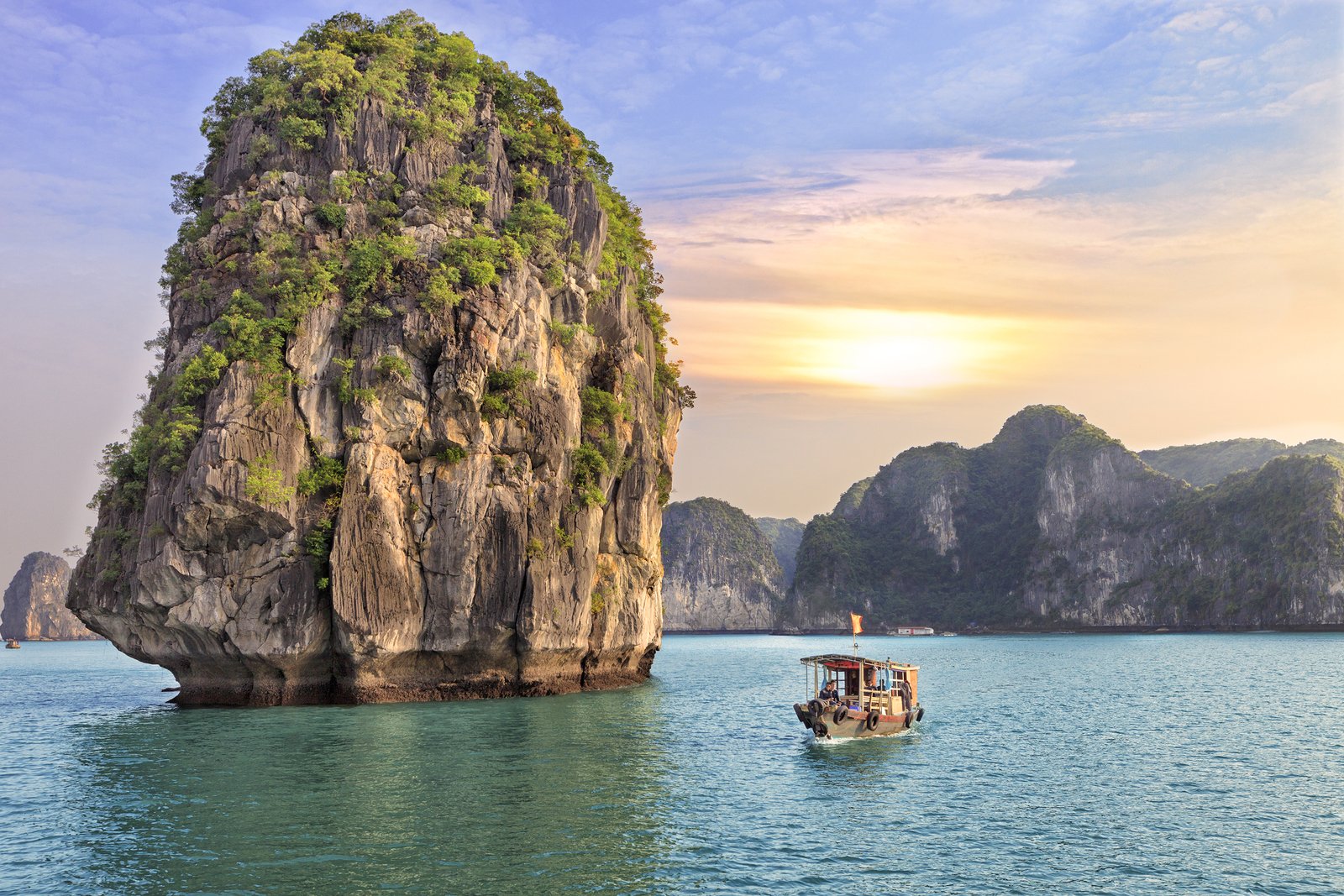
Northern Vietnam (Hanoi, Ha Long Bay, Sapa)
Best time to visit: March–May & September–November
Spring and autumn bring mild temperatures and clearer skies.
Summer (June–August): Hot, humid, with heavy rain
Winter (December–February): Cooler, misty, sometimes cold in the mountains
Ha Long Bay cruises and trekking in Sapa are best avoided in peak summer storms.
Central Vietnam (Hoi An, Da Nang, Hue)
Best time to visit: February–August
This region has a delayed rainy season compared to the north and south.
February–May: Dry, warm, excellent for beaches and sightseeing
September–November: Typhoons and heavy rainfall
December–January: Cooler, occasional rain
Hoi An is especially beautiful during the dry months when lantern-lit evenings and beach days align.
Southern Vietnam (Ho Chi Minh City, Mekong Delta, Phu Quoc)
Best time to visit: December–April
Dry season brings comfortable heat and ideal conditions for city exploration and island escapes.
May–October: Rainy season with short, intense downpours
Dry months: Best for Mekong cruises and beach time

Cambodia — Dry Season Is Key
Cambodia’s climate is simpler but timing still matters.
Best time to visit: November to March
These months offer dry weather and manageable temperatures, perfect for exploring Angkor Wat, Phnom Penh, and rural landscapes.
April–May: Extremely hot
June–October: Monsoon season, though temples are lush and less crowded
Rainy season travel can still work for photography and quieter visits, but conditions are humid.

Singapore — Year-Round Destination with Small Variations
Singapore is a true year-round destination, but rainfall patterns can affect outdoor plans.
Best time to visit: February to October
February–April: Drier, slightly less humid
November–January: Northeast monsoon brings heavier rain
June–August: Hot but great for festivals and events
Thanks to its infrastructure, rain rarely disrupts travel significantly.

Malaysia — Two Coasts, Two Very Different Seasons
Like Thailand, Malaysia’s climate is shaped by monsoon systems that affect each coast differently. Knowing which side of the country to visit — and when — is essential for smooth travel, especially if islands are part of your itinerary.
West Coast (Kuala Lumpur, Penang, Langkawi)
Best time to visit: December to April
The west coast of Malaysia is the most reliable option for dry weather and cultural exploration. These months bring lower rainfall, clearer skies, and comfortable conditions for both cities and beaches.
What to expect & do:
Kuala Lumpur is ideal during this period for sightseeing, food tours, and day trips to Batu Caves or Malacca. Penang shines as a cultural hub, blending colonial architecture, street art, temples, and one of Southeast Asia’s best food scenes. Langkawi offers relaxed beach resorts, mangrove tours, and island-hopping with calm seas and good visibility.
While short showers can occur year-round, they are usually brief and rarely disruptive during the dry season.
East Coast (Perhentian Islands, Redang, Tioman)
Best time to visit: March to September
Malaysia’s east coast islands are highly seasonal and should be timed carefully.
March–September: Best conditions for snorkeling, diving, and beach stays
November–February: Heavy monsoon rains, rough seas, and widespread resort closures
During the open season, the Perhentian and Redang islands offer crystal-clear water, coral reefs close to shore, and a quieter, more nature-focused experience compared to Thailand’s busier islands.
Indonesia — Including Bali & Beyond
Indonesia spans thousands of islands, but most destinations — including Bali — follow a similar seasonal pattern.
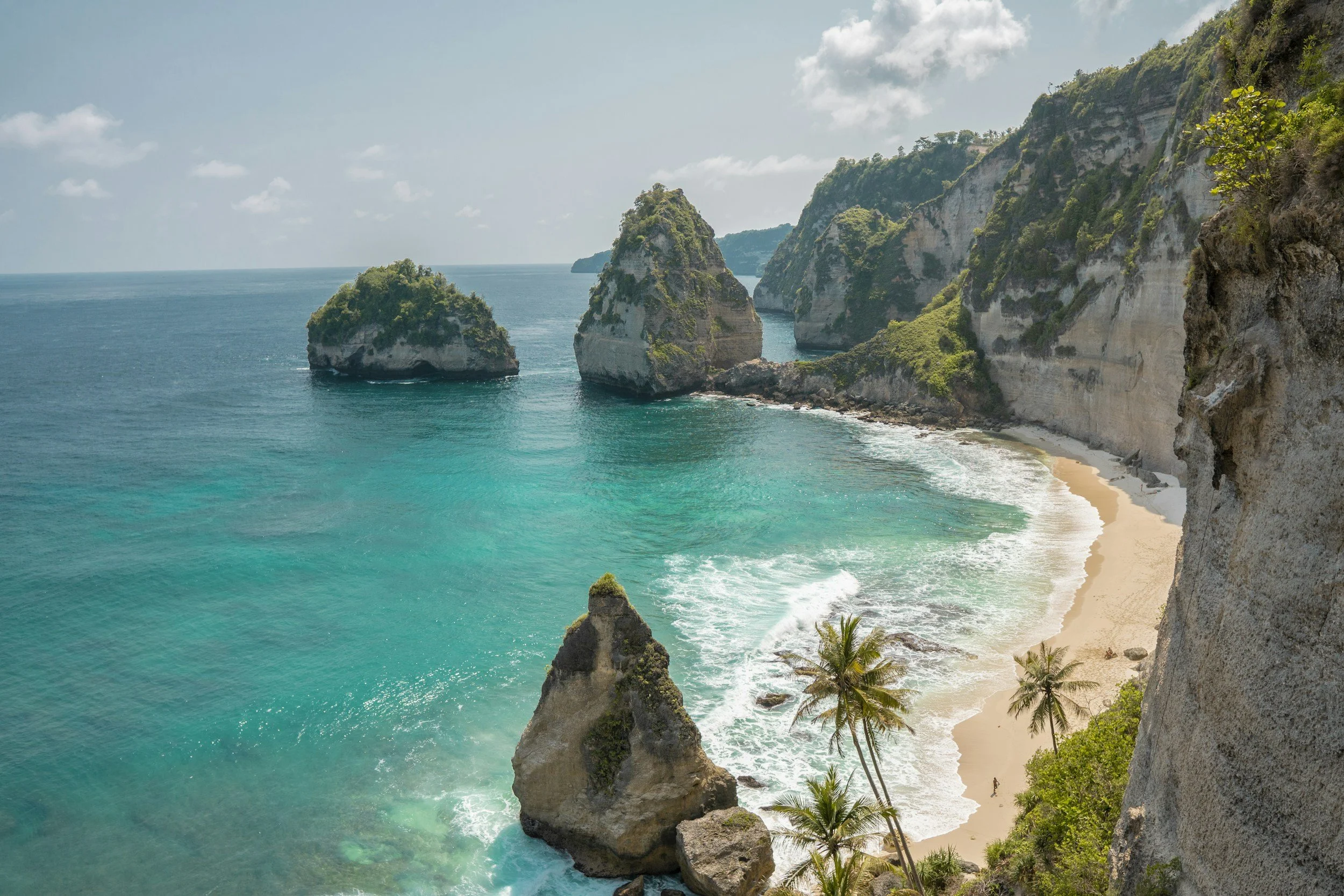
Bali (Ubud, Seminyak, Uluwatu, Nusa Islands)
Best time to visit: May to October
Bali’s dry season is the ideal time for combining culture, beaches, and outdoor experiences.
What to expect & do:
In Ubud, dry weather is perfect for visiting temples, rice terraces, waterfalls, and yoga retreats. Along the coast, Seminyak and Canggu offer beach clubs and dining, while Uluwatu is best known for cliffside views, surfing, and sunset temples. Boat trips to Nusa Penida and Nusa Lembongan are far more reliable during dry months, with calmer seas and better visibility.
July–August: Peak season with crowds and higher prices
November–March: Rainy season — lush landscapes but frequent showers
Philippines — Dry Season Is Essential
The Philippines is a classic dry-season destination, and timing is critical due to typhoons.
Best time to visit: December to May
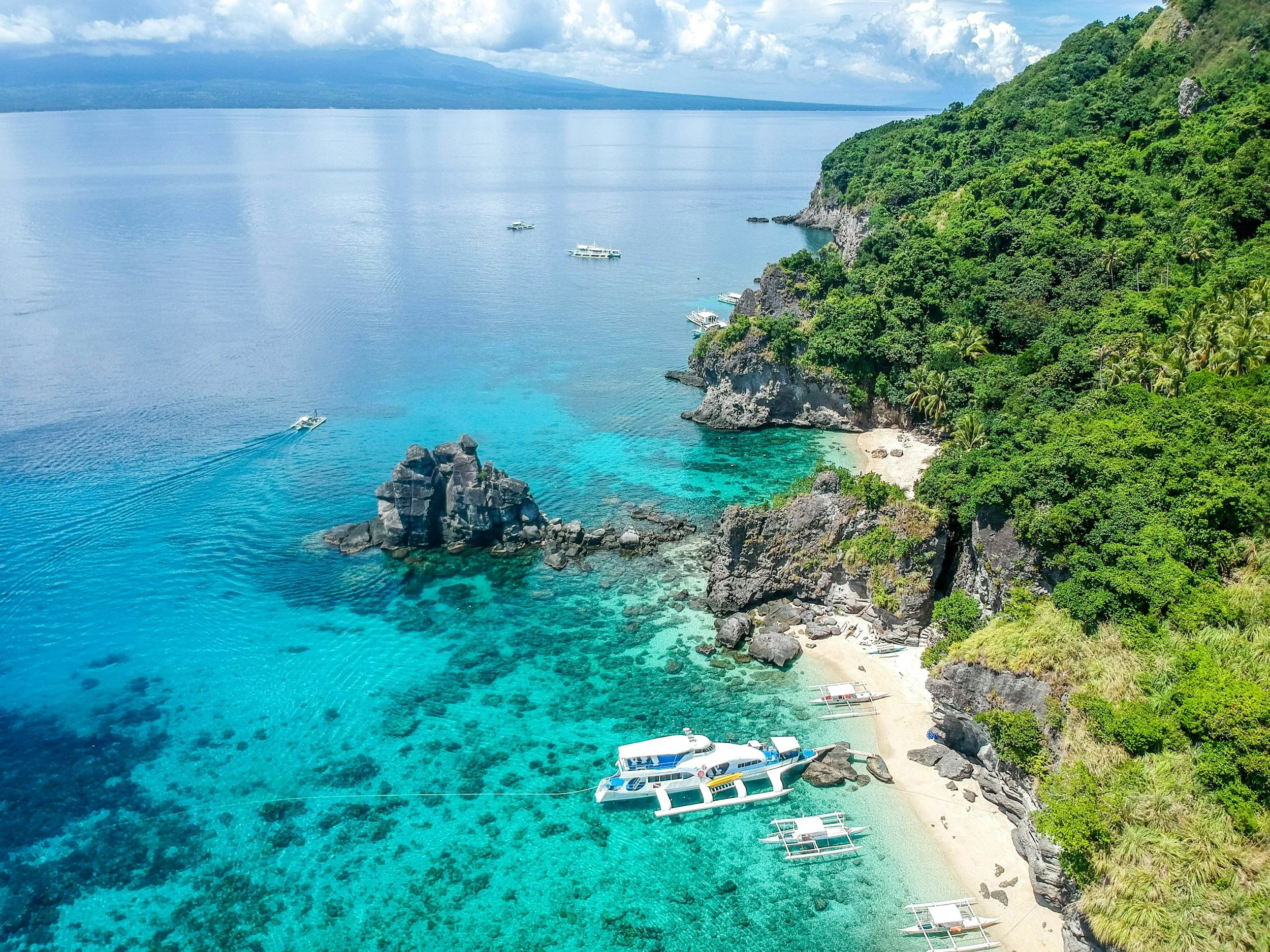
This period brings calm seas, blue skies, and ideal conditions for island hopping and marine activities.
What to expect & do:
Palawan is at its best during dry months, especially for El Nido and Coron island-hopping tours. Cebu and Bohol are excellent for waterfalls, whale shark encounters (seasonal), and cultural stops, while Boracay’s white-sand beaches and sunsets are most enjoyable when humidity is lower.
January–April: Peak conditions for beaches and diving
June–November: Rainy season with increased storm risk
Travel during the wet season is possible but best limited to short stays or city-based trips.

India — Vast Country, Strong Seasonal Shifts
India’s climate is defined by its monsoon, and the best time to visit varies significantly by region. For most travelers, avoiding peak heat and heavy rains is key.
Best time to visit most regions: October to March
North India (Delhi, Agra, Rajasthan)
Cooler, drier winter months are ideal for sightseeing, heritage hotels, and desert landscapes. This is the best time for the Golden Triangle and Rajasthan circuits.
South India & Kerala
Best: October to March
These months offer pleasant weather for backwaters, tea plantations, temples, and coastal stays. The monsoon season (June–September) brings lush scenery and fewer tourists, often favored for Ayurveda retreats.
Himalayan Regions (Ladakh, Himachal Pradesh)
Best: May to September
Mountain passes and trekking routes are accessible only in summer, making this the prime window for high-altitude travel.
Avoid: April–June in most of India due to extreme heat.

Hong Kong — Ideal in Autumn & Spring
Hong Kong’s subtropical climate makes timing important for outdoor activities and comfort.
Best time to visit: October to December & March to April
Why these seasons work best:
Autumn offers clear skies, low humidity, and perfect conditions for hiking trails, harbor cruises, and island visits. Spring is slightly warmer but still comfortable, with blooming greenery across the city’s country parks.
Summer (June–September): Hot, humid, and typhoon-prone
Winter (January–February): Mild, occasionally cool, fewer crowds
These shoulder seasons allow travelers to experience Hong Kong’s unique balance of dense urban life, coastal islands, and scenic hiking routes.
Timing Asia Right
The key to traveling Asia well is matching destinations with the right season, not avoiding the region altogether due to “monsoon myths.” With proper planning, you can enjoy Asia year-round by choosing destinations whose weather patterns work in your favor.
Understanding regional differences — especially in countries like Thailand, Vietnam, and Malaysia — allows for smarter routing, better experiences, and smoother travel.
✨ We specialize in custom trips across Asia, carefully planning destinations, timing, and routes so your journey aligns perfectly with the best seasons, weather conditions, and experiences.