CANADA DESTINATIONS & TRAVEL GUIDE
Canada spans vibrant cities, vast forests, mountain wilderness and Atlantic and Pacific coastlines. Discover Montréal and Québec City, explore Toronto and Ottawa, or head west for Vancouver, Banff and Jasper. From Niagara Falls to glacier-fed lakes, coastal villages and northern skies, Discovery Escapes can shape a Canada itinerary around your dates and interests. Distances are significant, so we’ll help balance flights, scenic rail journeys and road trips with time to explore. Choose a region or combine a few highlights at a realistic pace.
Top Canada Highlights
-
![Toronto skyline viewed from the Toronto Islands, Canada]()
Toronto, Ontario — Skyline & Harbourfront
Take in Toronto’s skyline from the waterfront and Toronto Islands. Explore neighbourhood markets and museums, then add a Niagara Falls excursion or time on Lake Ontario.
-
![U.S. Capitol Building at dusk in Washington, D.C.]()
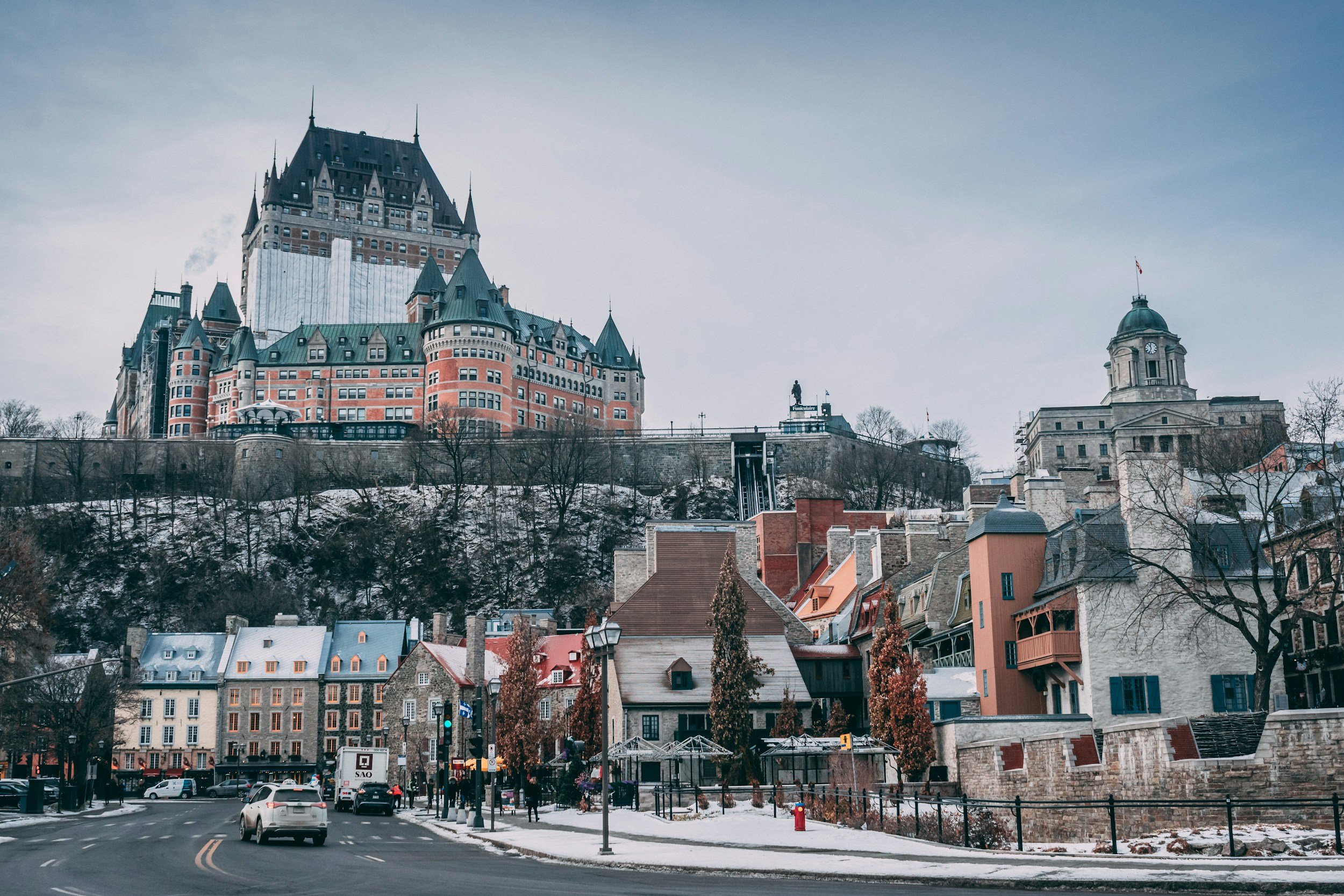
Québec City, Québec — Old Town & St. Lawrence
Explore Old Québec’s fortified streets, Château Frontenac and the Plains of Abraham. Savour Québécois cuisine and use the city as a base for Charlevoix or a St. Lawrence River itinerary.
-
![Chicago skyline and lakefront in Illinois, USA]()
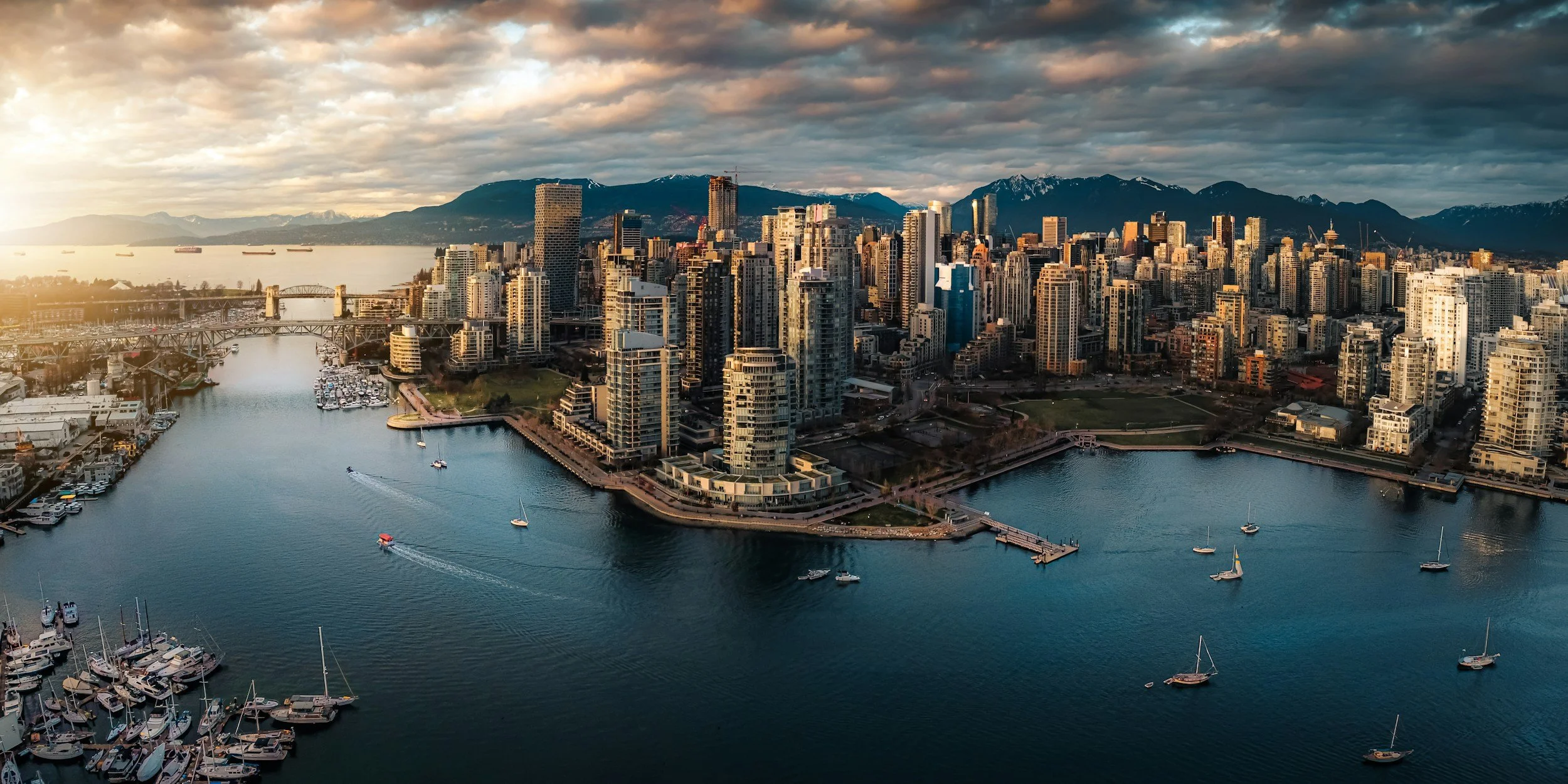
Vancouver, British Columbia — Ocean, City & Mountains
Stroll or cycle Stanley Park’s seawall, browse Granville Island Public Market and explore neighbourhoods from Gastown to Kitsilano. Pair city time with a North Shore excursion, allowing for mountain weather and transit.
-
![California road trip map from San Francisco to Yosemite and Las Vegas]()
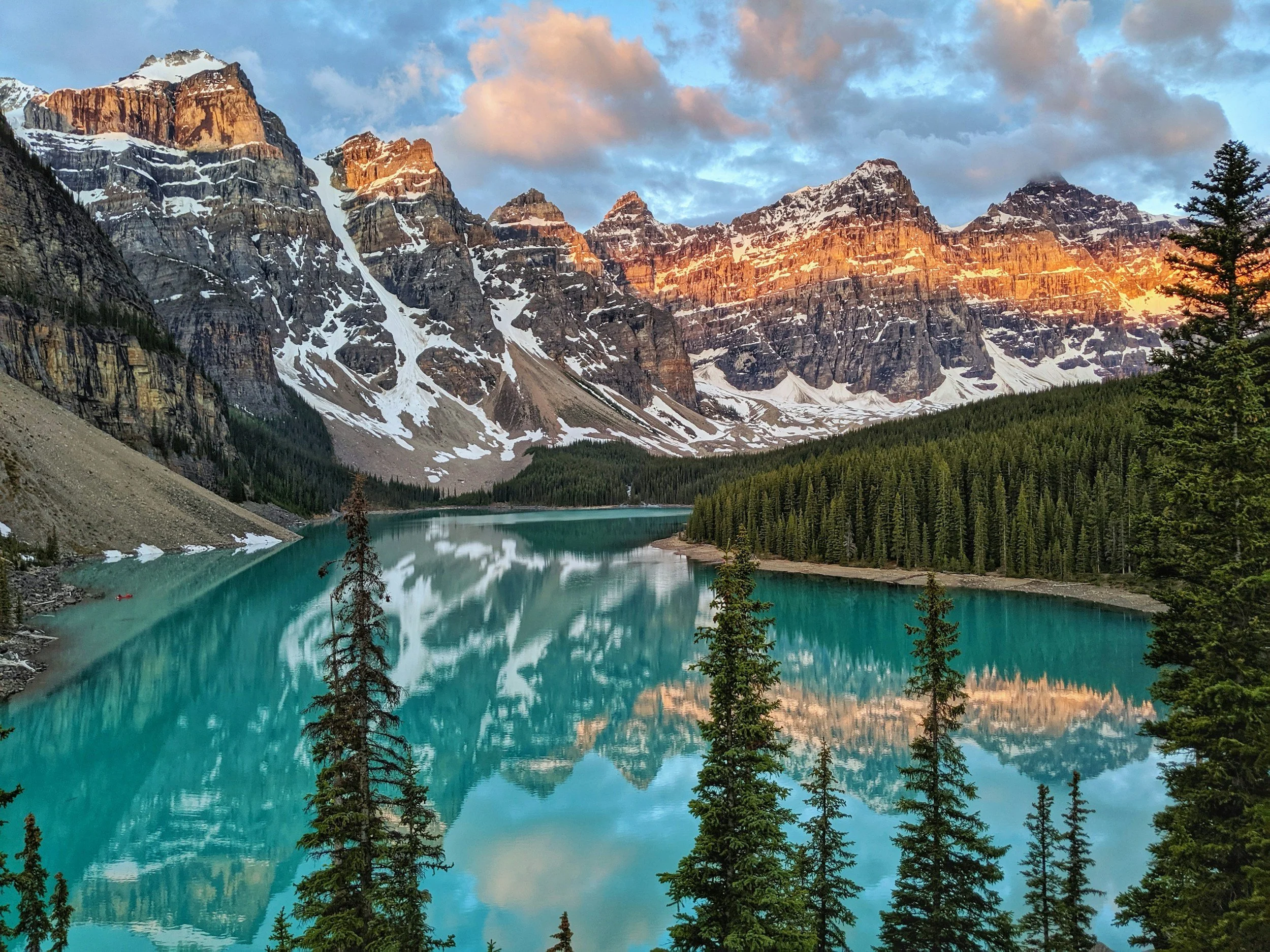
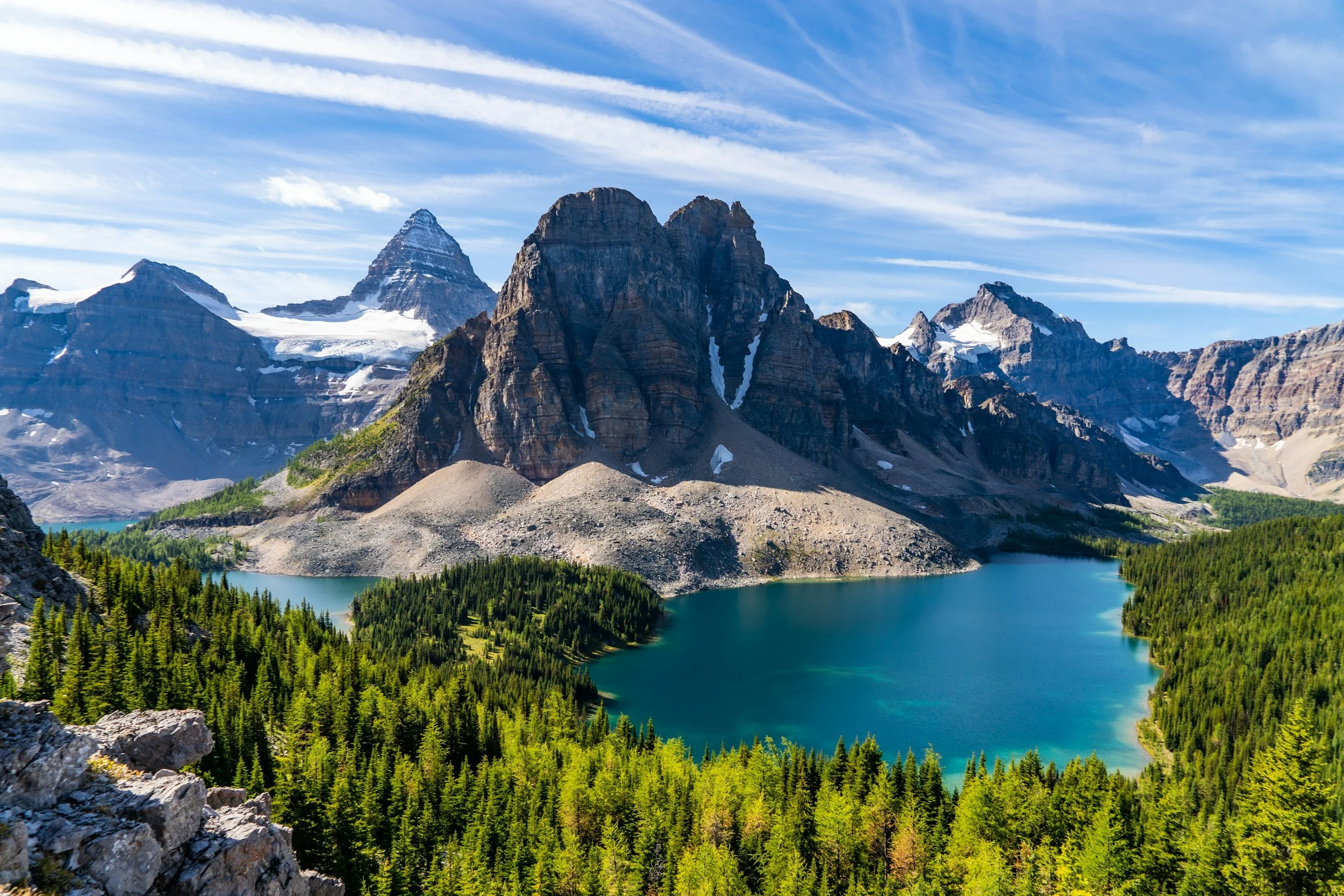
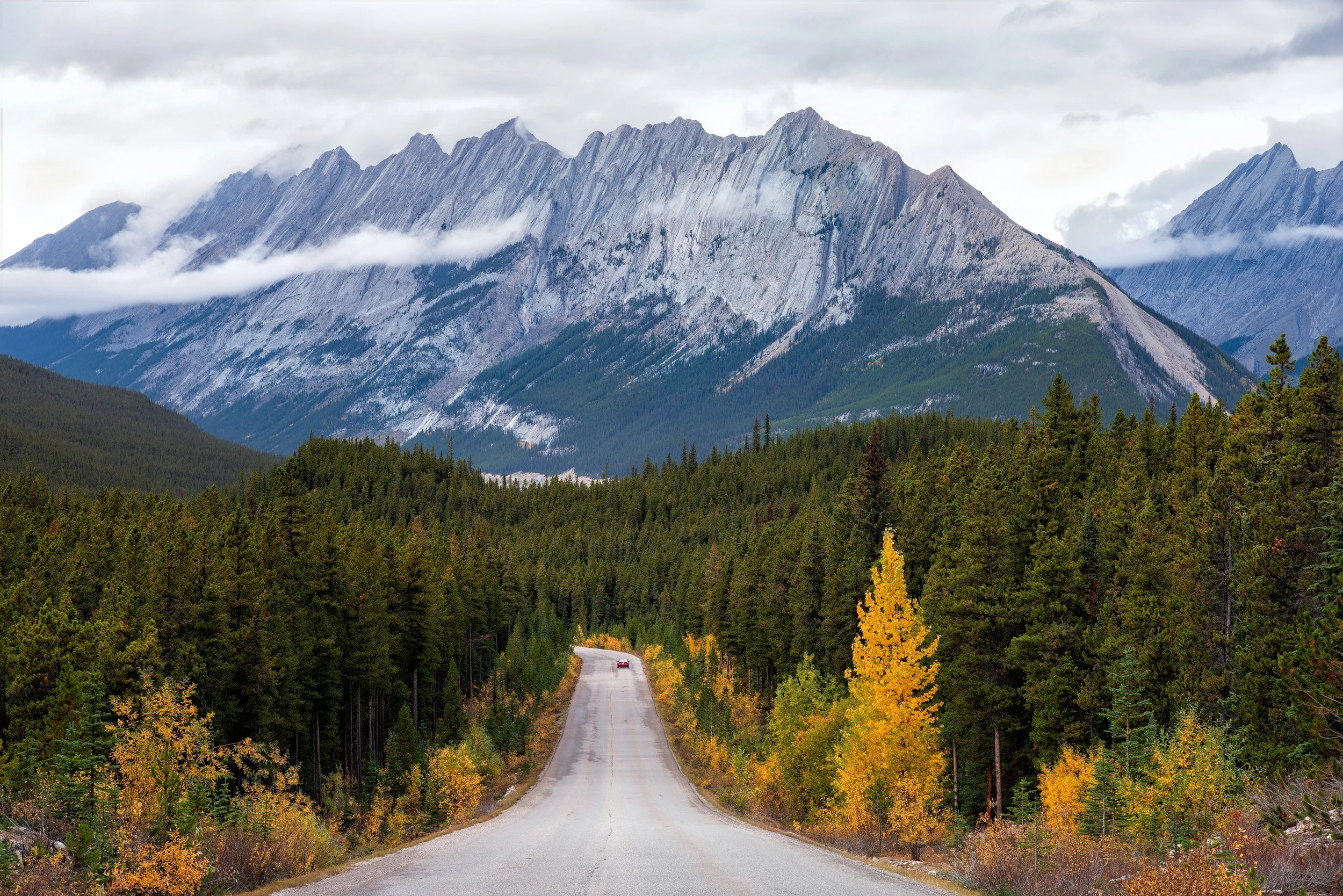
Canadian Rockies — Banff, Lake Louise & Icefields Parkway
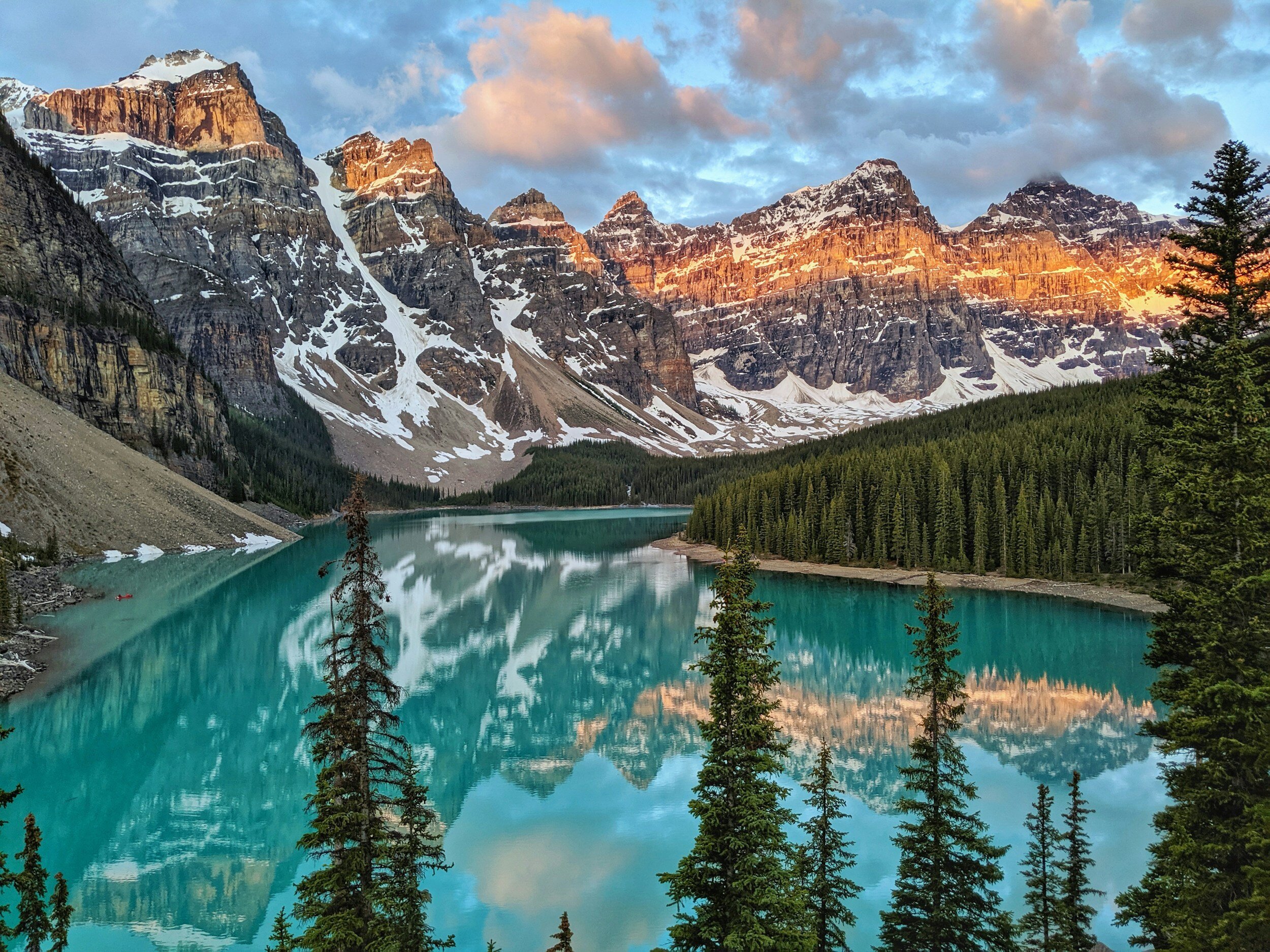
Explore Banff and Lake Louise’s mountain scenery, then follow the Icefields Parkway toward Jasper. Plan for long driving distances, changing alpine weather and seasonal road conditions.
-
![McWay Falls cascading onto the Big Sur coastline in California.]()
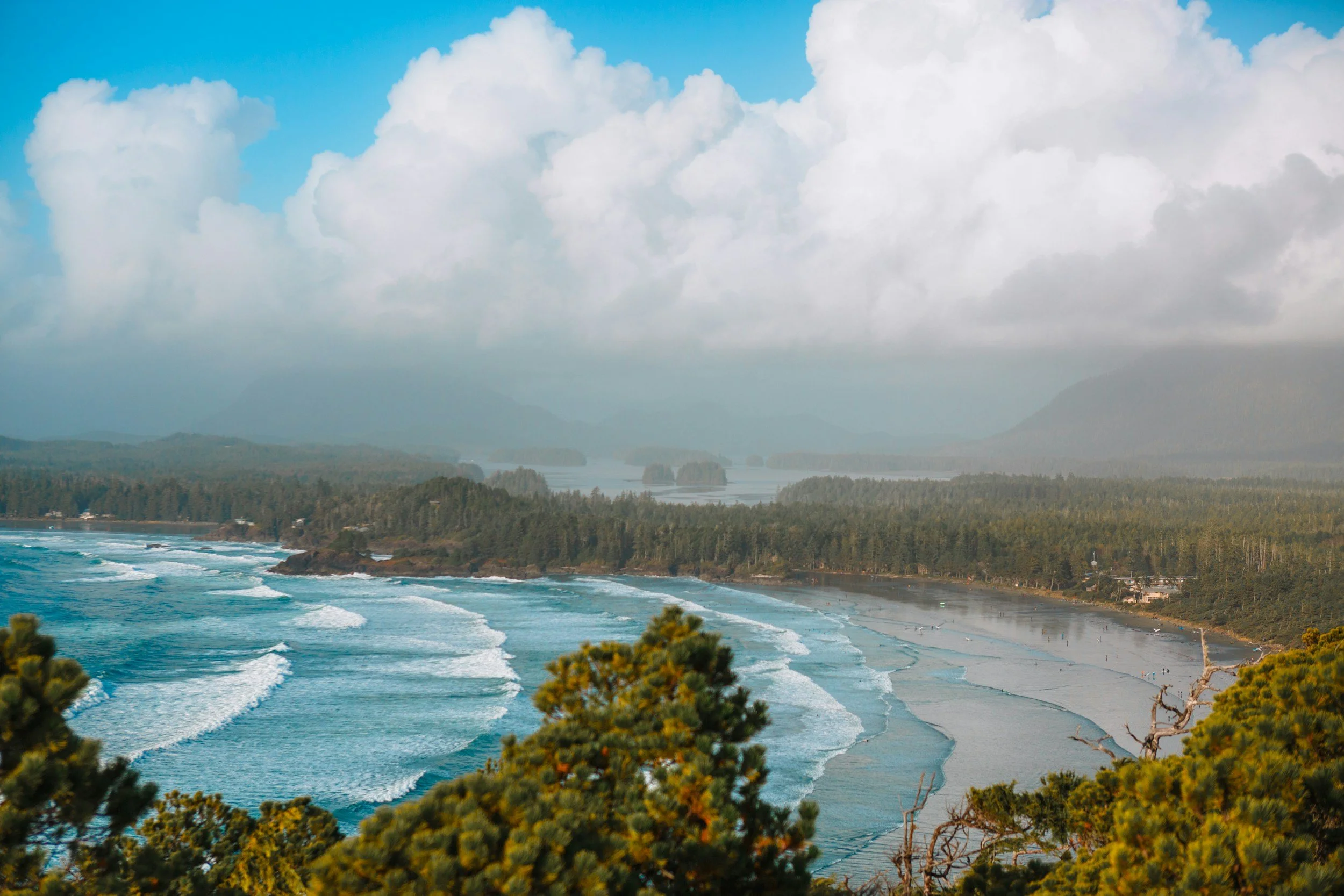
Pacific Rim National Park Reserve — Tofino & Ucluelet
Walk among old-growth rainforest near Tofino and Ucluelet, explore tide pools and wide Pacific beaches. Check surf and trail conditions, tide times and park notices before setting out.
-
![Pacific Coast road through Big Sur, California, USA]()
Cabot Trail, Nova Scotia — Atlantic Coast & Highlands
Follow Cape Breton’s Cabot Trail through Cape Breton Highlands National Park, with ocean lookouts, hiking and Acadian and Gaelic heritage. Allow daylight and time for stops; seasonal services vary.
-
![Chicago, Illinois — Architecture & Lakefront]()
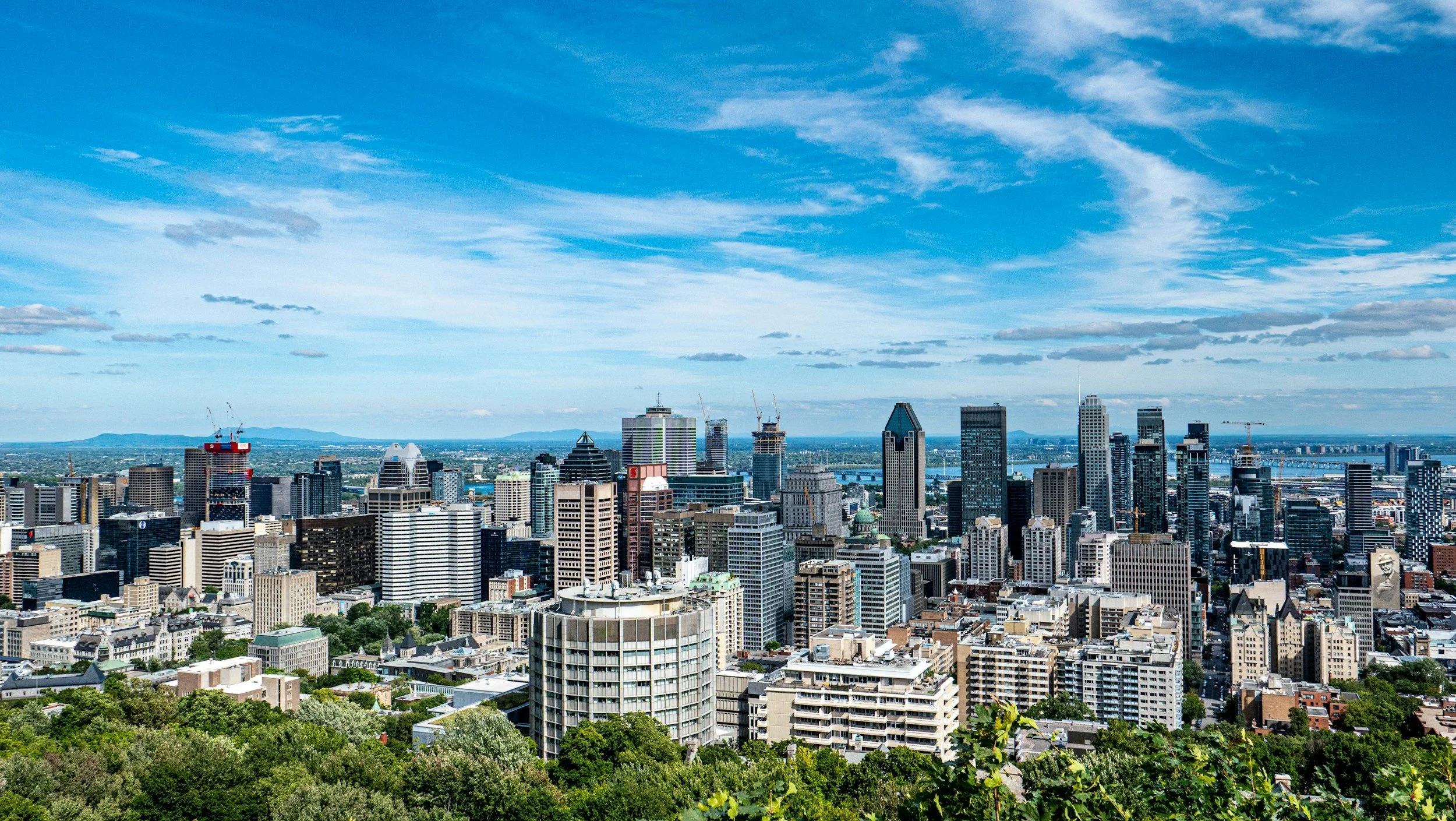
Montréal, Québec — Food, Arts & Old Port
Explore Old Montréal, museums and markets, then sample the city’s French-Canadian food scene. Festivals bring a lively calendar; book ahead and leave time to discover neighbourhoods beyond downtown.
-
![Southwest National Parks Road Trip]()
Calgary to Jasper Road Trip
Plan a Rockies drive linking Calgary, Banff, Lake Louise and Jasper, with time for scenic stops and hikes. Check park advisories, road closures and seasonal conditions; reserve popular stays early.
-
![California Parks & Coast Road Trip]()
Prince Edward Island — Red Cliffs & Coastal Routes
Discover Charlottetown, red-sand beaches and the island’s coastal drives, with time for local seafood and Anne of Green Gables heritage sites. Summer is busy, so book ferries and stays in advance.
-
![Denali National Park, Alaska]()
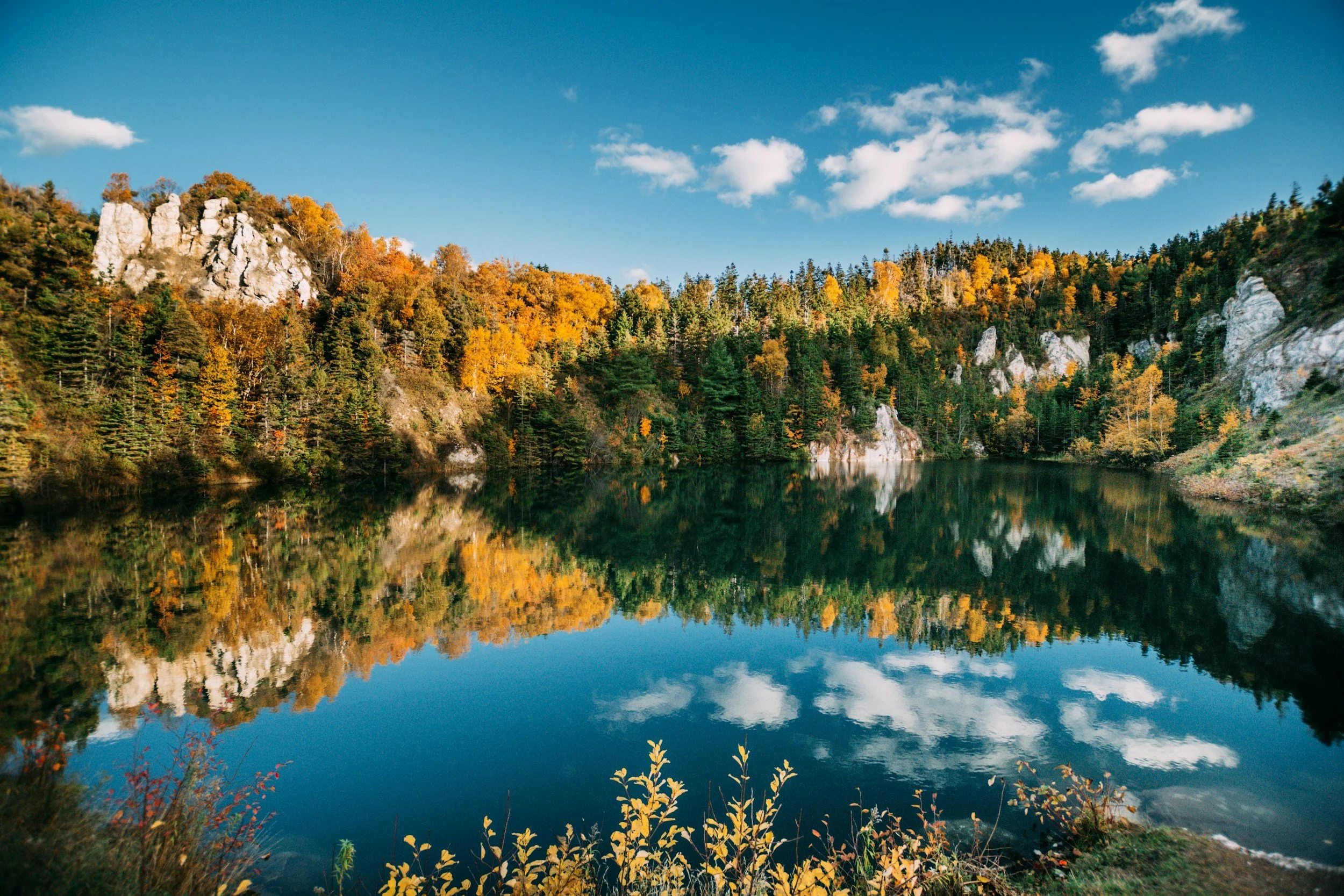
Gros Morne National Park, Newfoundland — Fjords & Tablelands
Explore Gros Morne National Park’s fjords, coastal trails and distinctive Tablelands geology. Base yourself near park communities, allow time for hikes and boat trips, and check seasonal operations.

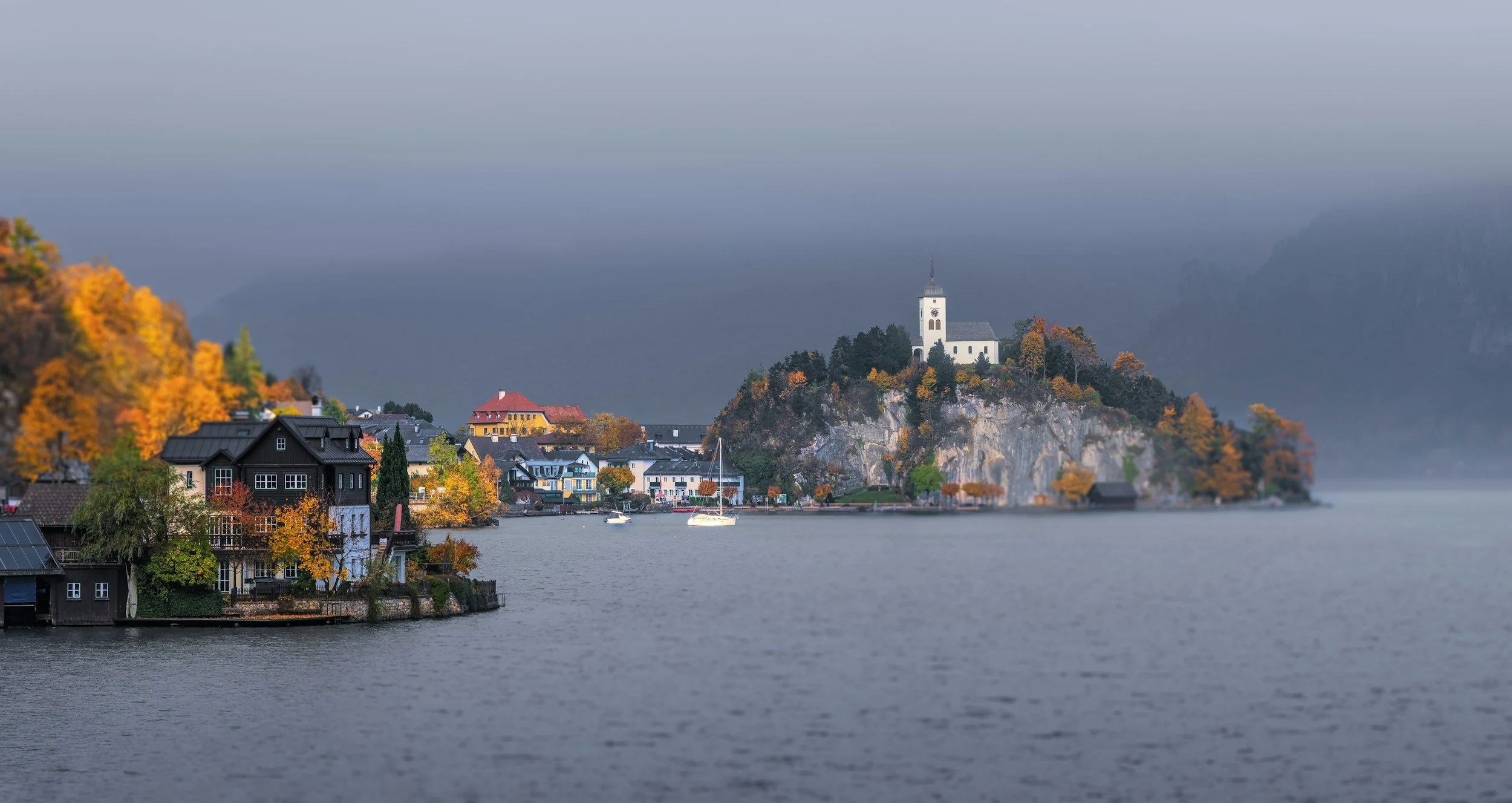

Why Visit Canada
Canada combines energetic cities, French-Canadian heritage and vast natural landscapes. Explore Montréal’s food and arts, stroll Québec City’s historic streets, and see Toronto, Ottawa and Niagara Falls in Ontario. In the west, Vancouver pairs urban culture with ocean and mountain scenery, while Banff and Jasper bring alpine lakes, wildlife and spectacular drives. Choose a region that suits your season and pace; Canada is too vast to rush.
Canada is ideal for:
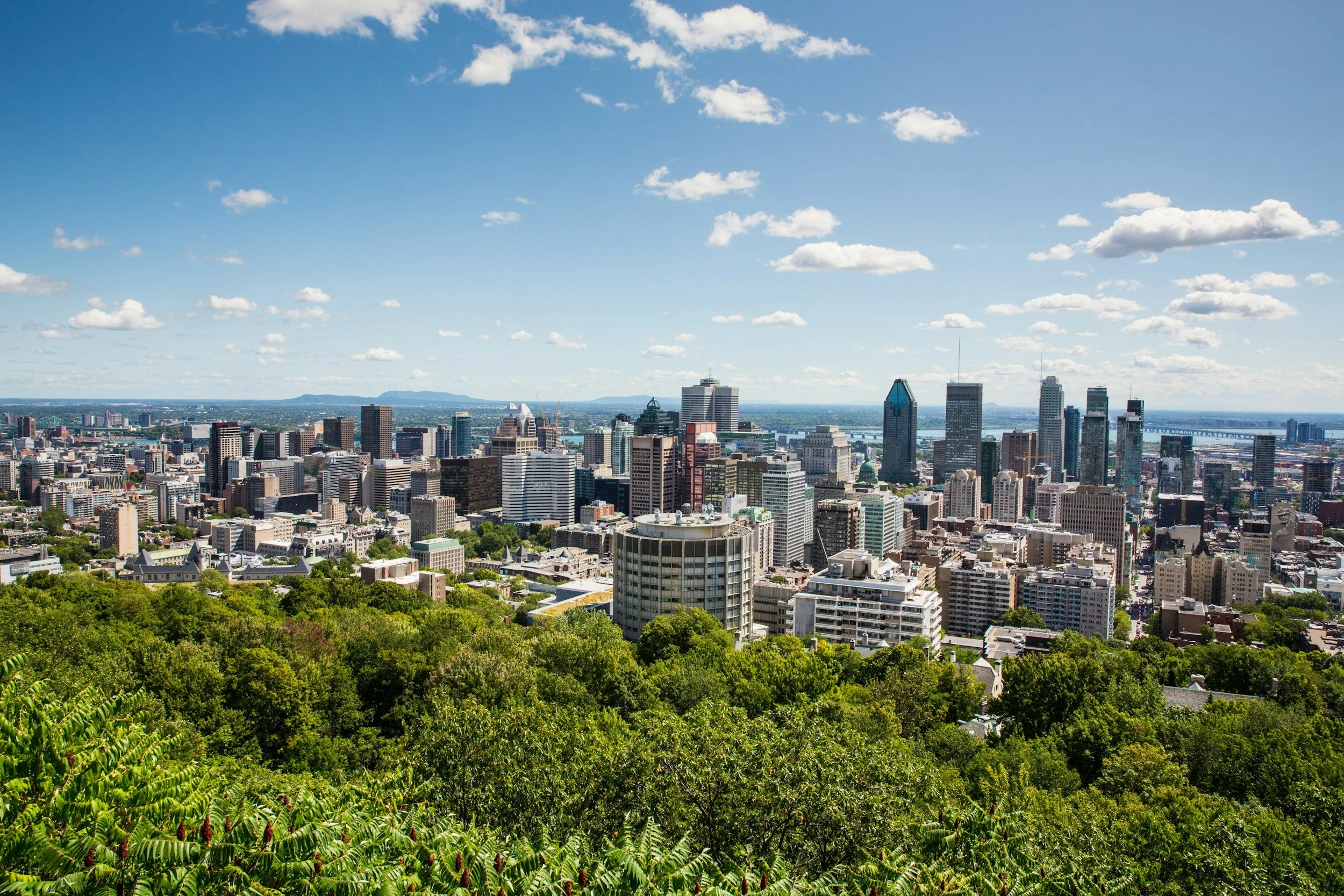
First-Time Canada Explorers
Discover classic first-visit highlights such as Montréal, Québec City, Toronto, Niagara Falls or Vancouver. Choose one region and leave time for local food, museums and neighbourhoods.
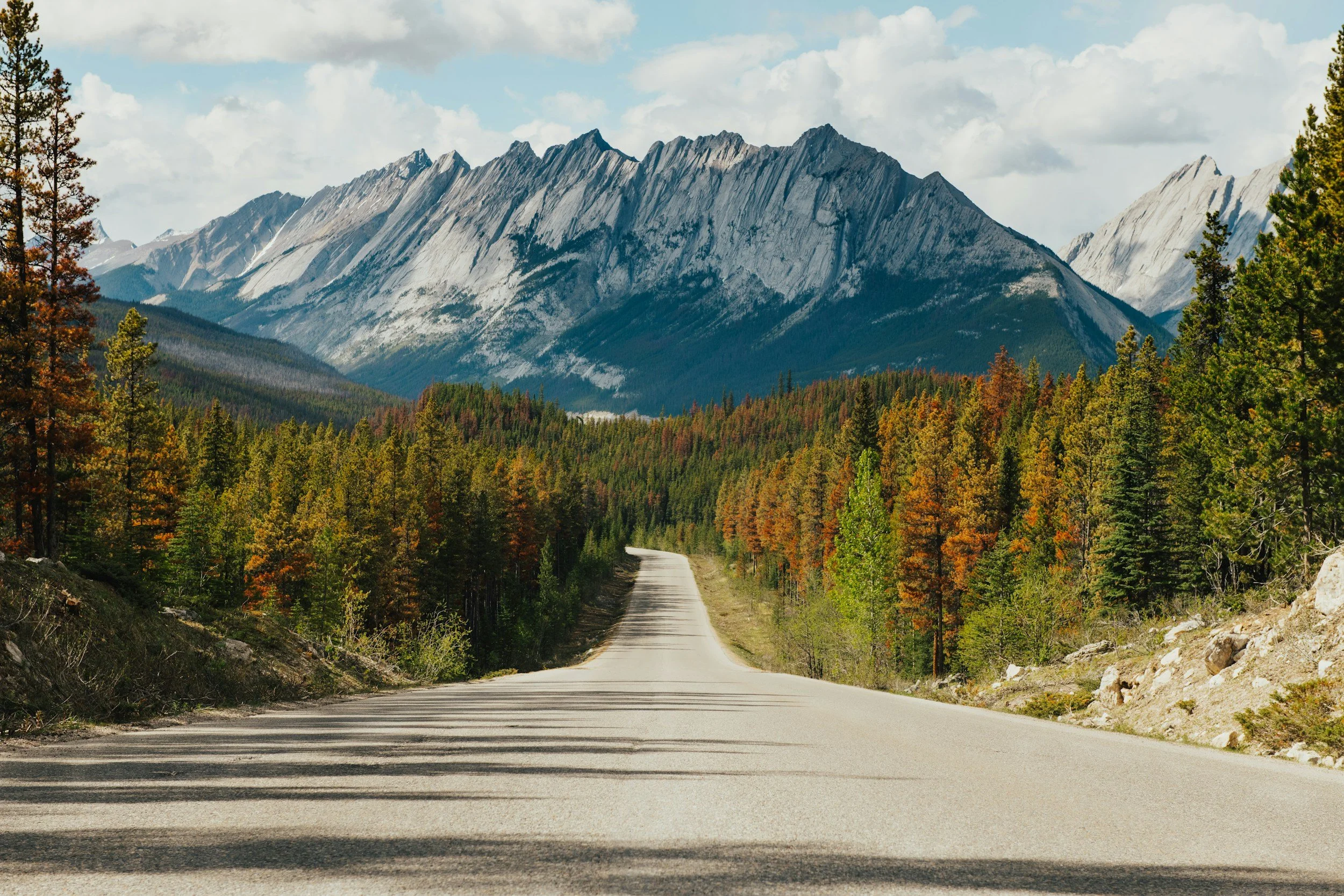
Canadian National Park Explorers
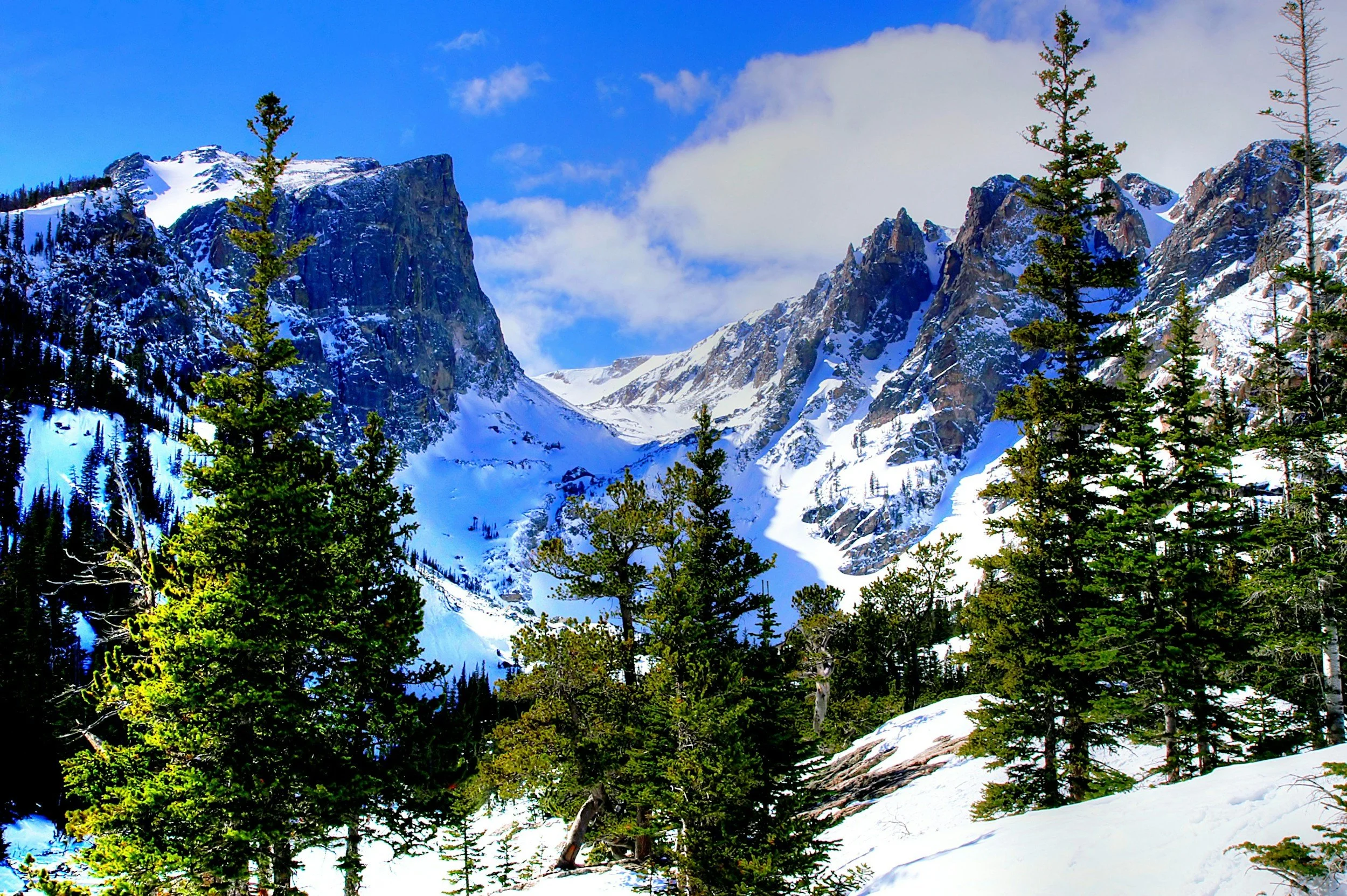
From Banff and Jasper to Gros Morne, explore alpine trails, glacier-fed lakes, fjords and wildlife. Choose one or two parks, check seasonal access and advisories, and plan responsibly around wildlife.
Scenic Road-Trip & Rail Travellers
Take a memorable drive through the Rockies, follow the Cabot Trail in Nova Scotia, or connect eastern cities by rail. Match the route to the season, distances and driving comfort.

Canadian Culture, Food & History Explorers
Discover French-Canadian food and festivals in Montréal and Québec City, Indigenous-led cultural experiences, and Acadian and maritime heritage in the Atlantic provinces. Follow local guidance and book popular festival dates early.
Canada Tours & Regional Journeys
8 Days | 1 Country | 5 Cities
Explore Toronto and visit fascinating Niagara Falls, explore Montreal and Quebec, travel to Rocky Mountains and visit Banff National Park with gorgeous glacier Moraine lake and Lake Louise.

10 Days | 1 Country | 6 Cities
Start from Toronto and visit breathtaking Niagara Falls, explore Ottawa, Montreal and Quebec, travel to Banff with gorgeous turquoise Moraine lake and awesome mountain peaks and end the tour in Vancouver.

7 Days | 1 Country | 3 Cities
Uncover the highlights of New York City, visit the Empire State Building, enjoy the vibrant atmosphere of Millennium Park in Chicago, explore Toronto, and marvel at the breathtaking beauty of Niagara Falls.

-
Canada’s weather, access and daylight vary widely by region, so the best time to visit depends on your destinations and interests. Spring and autumn are ideal for city sightseeing and scenic drives, while summer offers long days for exploring the Canadian Rockies, national parks and coastal landscapes. Winter brings excellent skiing and snow experiences, but snow and seasonal closures can affect mountain roads and outdoor activities.
Spring (March–May) Enjoy city sightseeing in Toronto, Vancouver and Montreal as temperatures gradually rise. Late spring is a good time for exploring coastal British Columbia, visiting Niagara Falls and discovering lower-elevation walking trails. Snow can linger in the Rockies, and some mountain roads and hiking routes may remain closed.
Summer (June–August) Summer is one of the best times to explore Canada’s national parks, the Canadian Rockies, Banff and Jasper, the coastlines of British Columbia and the lakes of Ontario. Long daylight hours are ideal for scenic drives, hiking and wildlife viewing. Book popular hotels and national park accommodation well in advance, especially for July and August.
Fall (September–November) Autumn brings spectacular fall foliage to Quebec, Ontario and the Maritime provinces, making it a wonderful season for scenic drives and cultural city breaks. September and early October can also be excellent for exploring the Canadian Rockies, often with fewer crowds than in peak summer. Temperatures drop quickly later in the season, and some mountain facilities begin closing.
Winter (December–February) Winter is perfect for skiing and snowboarding in Whistler and the Canadian Rockies, experiencing Quebec City’s winter atmosphere, or enjoying snowy landscapes and seasonal festivals. Vancouver and parts of coastal British Columbia generally have milder winters than inland and northern Canada. Expect snow, icy roads and possible seasonal closures in mountainous areas, and check local conditions before travelling.
-
For a first trip, combine Montréal and Québec City by rail, then add Toronto and Niagara Falls. In the west, allow time for Vancouver and the Canadian Rockies; Atlantic Canada pairs Halifax, Cape Breton and the Cabot Trail. Canada’s distances are vast, so choose one region or connect regions by flight and build in realistic travel days.
-
Canada trip costs vary by season, route, accommodation style and distance. A city itinerary, cross-country journey and national-park road trip require different budgets, so choose your regions before comparing prices.
Accommodation and meals
Toronto, Vancouver and popular park gateways can be costly in peak season; smaller communities may offer a wider range. Compare location and transport as well as nightly rates, and budget for meals, taxes and tips.
Getting around
Include domestic flights, rail fares or rental-car costs, fuel, tolls and parking. Canada’s distances are substantial, so an extra flight or overnight stop may be worthwhile; one-way vehicle fees can apply.
Parks and activities
Check current entrance fees, reservations, permits, shuttles and campground or lodge availability on official park websites. Guided excursions and popular attractions may need advance booking.
Plan realistically
Prices change with dates and availability. We’ll tailor the itinerary to your budget range and help compare fewer bases, longer stays, included experiences and travel time.
Plan Your Custom Canada Journey
Tell us what you would most like to see, from the Canadian Rockies and Niagara Falls to historic Québec, Pacific coastlines or Atlantic communities. We will shape a practical itinerary around your dates, interests and pace.
Canada Travel Guides — Curated by Our Experts
Frequently Asked Questions About Canada
-
The best time to visit Canada depends on your itinerary and interests. June to September is ideal for exploring the Canadian Rockies, Banff, Jasper, Niagara Falls and Canada’s national parks. September and October are particularly beautiful for autumn foliage in Ontario and Quebec, while December to March is popular for skiing, snowboarding and winter experiences.
-
A trip of 7 to 10 days is ideal for exploring one region of Canada, such as the Canadian Rockies or eastern Canada. If you want to combine destinations such as Vancouver, Banff, Toronto, Niagara Falls and Quebec City, plan for 10 to 14 days or longer. A customized itinerary allows you to explore at a comfortable pace and focus on the places that interest you most.A trip of 7 to 10 days is ideal for exploring one region of Canada, such as the Canadian Rockies or eastern Canada. If you want to combine destinations such as Vancouver, Banff, Toronto, Niagara Falls and Quebec City, plan for 10 to 14 days or longer. A customized itinerary allows you to explore at a comfortable pace and focus on the places that interest you most.
-
Canada offers an incredible mix of cities, mountains, lakes and coastal scenery. Popular destinations include Vancouver, Toronto, Montreal, Quebec City, Niagara Falls, Banff National Park, Jasper National Park, Lake Louise and Whistler. The best places to visit depend on whether you prefer outdoor adventures, cultural attractions, scenic drives, wildlife experiences or vibrant city breaks.
-
Yes. A customized Canada tour can be designed around your preferred destinations, travel dates and accommodation standards, including 4- and 5-star hotels where available. Depending on your itinerary, arrangements may include private transfers, guided sightseeing, selected excursions and other travel services to make your journey more comfortable and convenient.
-
Western Canada is renowned for the Canadian Rockies, Banff, Lake Louise, Jasper, Vancouver and spectacular mountain scenery. Eastern Canada offers historic cities, French-Canadian culture, Niagara Falls, vibrant urban experiences and beautiful autumn colours. If you have enough time, you can combine both regions in a longer trip, although domestic flights are usually the most practical way to cover the distance.
-
Entry requirements depend on your nationality, passport and method of arrival. Some travellers need a visitor visa, while eligible visa-exempt travellers arriving by air may need an Electronic Travel Authorization (eTA). Check the official Government of Canada immigration website before booking to confirm the requirements that apply to you.
-
Yes. Canada and the United States can be combined into one multi-country itinerary, depending on your travel dates and preferred destinations. For example, you could explore Vancouver and the Canadian Rockies before continuing to Seattle or California, or combine Toronto and Niagara Falls with selected US cities. Border-crossing requirements and transport arrangements should be checked for your specific itinerary.
-
The cost of a Canada tour depends on the season, trip duration, destinations, hotel category, transport and included activities. Travel during the summer peak season and stays in popular mountain resorts can be more expensive. A customized itinerary allows you to balance your preferred level of comfort with your budget and travel priorities.
-
Yes. A customized Canada itinerary can be planned around your interests, preferred travel dates, accommodation standards and pace. Whether you want a scenic journey through the Canadian Rockies, a cultural trip through eastern Canada or a longer holiday combining several regions, your trip can be tailored to create a more personal travel experience.