When To Go To Italy
Italy Travel Guide
Best Time to Visit Italy in 2026 & 2027
Italy is one of those rare destinations that's genuinely good to visit year-round — but the difference between visiting in, say, April versus August in Rome is the difference between exploring a beautiful city and queuing for two hours in 38°C heat. Getting the timing right makes an enormous difference to your experience.
This guide breaks down every month, every major region, and exactly what to expect — so you can choose the perfect time for your Italy trip.
The best months to visit Italy overall are April, May, September, and October — warm weather, longer days, manageable crowds, and competitive hotel prices. June is also excellent. July and August are the most popular but the hottest and most crowded, especially on the Amalfi Coast and in Venice.
Italy Month by Month
| Month | Weather | Crowds | Price | Verdict |
|---|---|---|---|---|
| January | Cold, 7–12°C | Very low | Cheapest | Good for cities |
| February | Cold, 8–13°C | Very low | Very low | Venice Carnival! |
| March | Mild, 10–16°C | Low | Low | Rising quickly |
| April | Warm, 14–20°C | Moderate | Mid | Excellent |
| May | Warm, 18–24°C | Moderate | Mid | Best month |
| June | Hot, 22–28°C | High | High | Great, book early |
| July | Very hot, 26–32°C | Very high | Peak | Avoid south |
| August | Very hot, 26–33°C | Peak | Peak | Peak crowds |
| September | Warm, 20–26°C | Moderate | Mid | Excellent |
| October | Mild, 16–22°C | Low-moderate | Mid-low | Hidden gem |
| November | Cool, 10–15°C | Low | Low | Good for cities |
| December | Cold, 7–12°C | Low (excl. Christmas) | Low | Christmas markets |
Best Time to Visit by Region
Italy's regions have very different climates, which means the "best time" varies depending on where you're going.
🏛️ Rome
Best: April–June, September–October
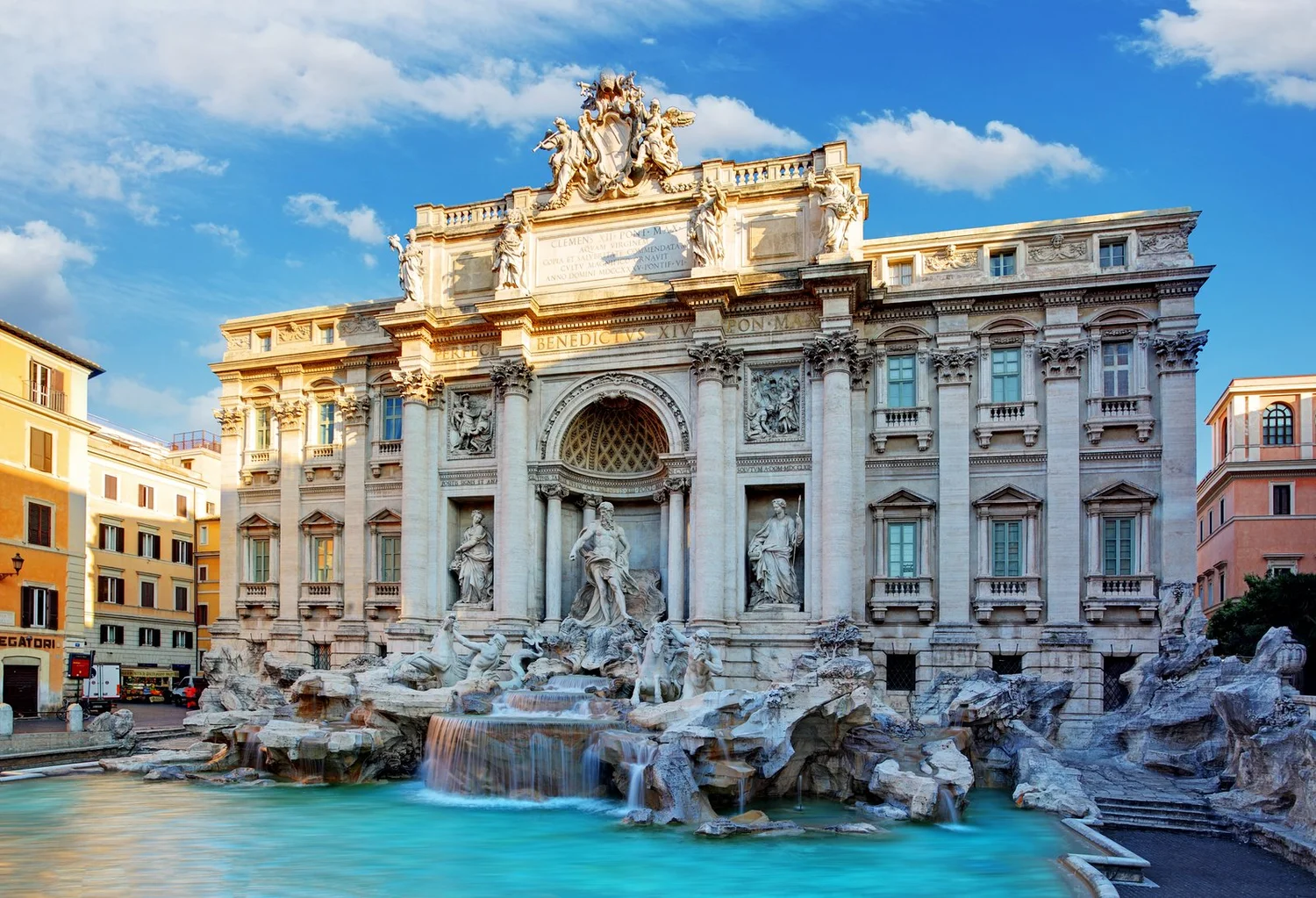
Rome is wonderful almost year-round. Spring and autumn bring perfect sightseeing weather. Avoid July–August if you hate crowds and heat — the Colosseum queue in August is legendary.
🎨 Florence & Tuscany
Best: April–May, September–October
Florence in June–August is hot and packed. The Uffizi queue peaks in summer. Spring wildflowers and autumn harvests (and wine festivals) make shoulder season the clear winner.
🛶 Venice
Best: February (Carnival), April, September–October
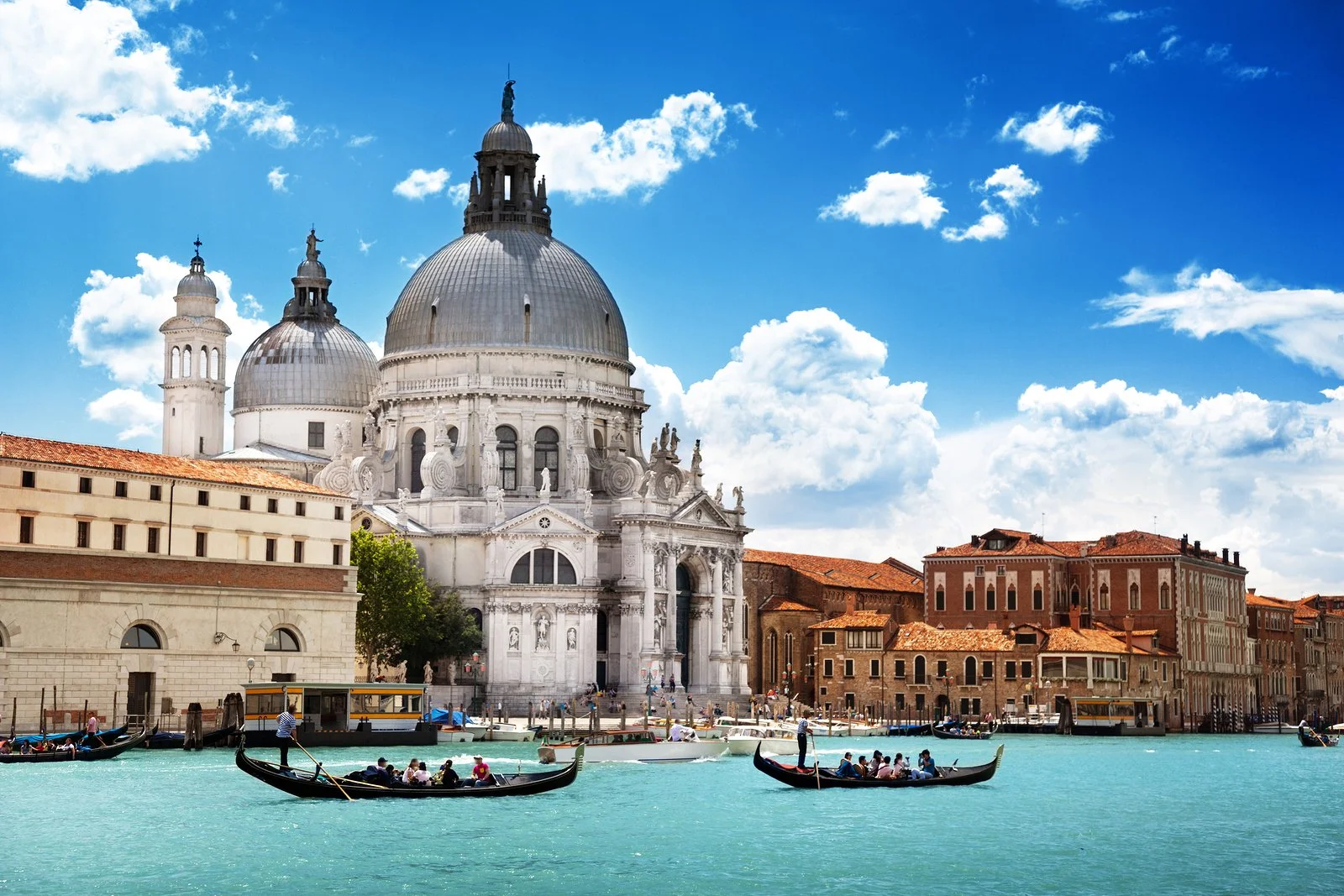
Venice floods regularly in November–January (acqua alta). Summer is the most crowded the city ever gets. February's Carnival is spectacular. Spring and autumn are the sweet spot.
🌊 Amalfi Coast
Best: May–June, September–October
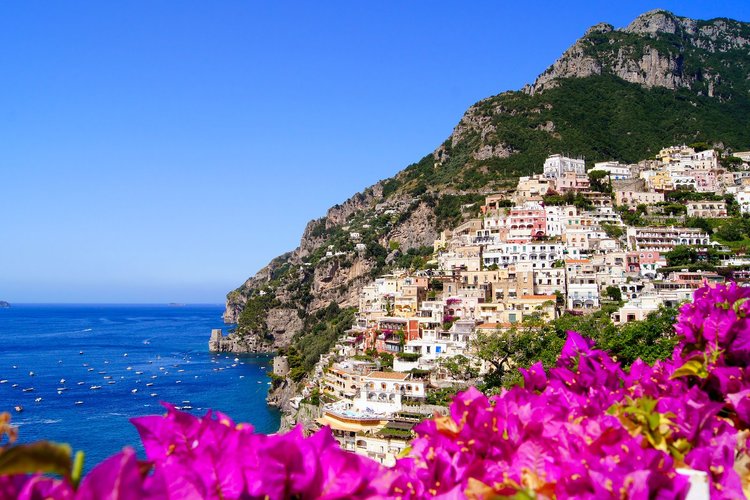
The coastal road is barely passable in peak summer — buses are packed, parking is impossible, and prices triple. May and September deliver the same sunshine with a fraction of the crowds.
🍋 Sicily
Best: April–June, September–October
Sicily gets extremely hot in summer (35°C+ is common inland). Spring wildflowers, Greek temple backdrops, and mild sea temperatures make April–June ideal. October is a sleeper hit.
🏔️ Lake Como & Dolomites
Best: May–June, September (lakes); December–March (Dolomites for skiing)
The lakes are gorgeous in late spring before summer crowds arrive. The Dolomites are a year-round destination — hiking in summer, skiing in winter.
The Best Months to Visit Italy
May — The Overall Winner
May is arguably Italy's finest month. Temperatures are warm but not scorching (18–24°C across most of the country), wildflowers are in bloom in Tuscany and Sicily, hotel prices haven't yet hit peak season levels, and the Amalfi Coast is accessible and relatively crowd-free. The Colosseum, Vatican, and Uffizi are busy but not overwhelmingly so. Book major sites in advance and you'll have a near-perfect trip.
September — The Insider's Choice
September is when experienced Italy travellers go. Summer crowds have thinned, temperatures remain warm and beach-worthy (especially in the south), Tuscany's grape harvest begins mid-month bringing wine festivals and agriturismo events, and hotel prices drop noticeably from August. The sea is at its warmest for swimming. It's also when Italy's food scene peaks — truffle season starts, and the markets are full of autumn produce.
April & October — The Bargain Months
April and October are underrated. Fewer tourists, more competitive prices, and weather that's still very comfortable — typically 14–22°C in April, 16–22°C in October. Easter falls in April and can cause a brief spike in Rome (avoid the Vatican that week), but otherwise both months offer genuinely great Italy travel at reduced cost.
Whatever month you visit, book the Vatican, Colosseum, Uffizi, and Pompeii well in advance — ideally 4–8 weeks ahead in high season, 1–2 weeks in shoulder season. These sites regularly sell out their timed entry slots.
When to Avoid Italy (and Why)
August is the month most experienced travellers avoid unless they specifically want beach resorts. The entire country closes for Ferragosto (15 August) — many restaurants, shops, and local businesses shut for days or weeks. Rome and Florence bake under 33°C heat while the Amalfi Coast becomes a gridlocked car park. Venice reaches its all-time crowd peak. Prices are at their highest. If you must go in August, target the lakes, Dolomites, or southern islands where a beach focus makes the heat a feature, not a problem.
January and February aren't bad for the major cities — Rome and Florence are genuinely pleasant in winter, with short queues and low prices. But the Amalfi Coast, Cinque Terre, and Sicily are cold and many restaurants and hotels close entirely from November to March.
Italy Travel Tips by Season
Spring (March–May)
- Book Easter week accommodation early — Rome especially gets very busy
- Pack a light jacket — evenings can be cool until mid-May
- Wildflower season peaks in April in Sicily, Tuscany, and Umbria
- The Amalfi Coast road reopens fully in April after winter restrictions
Summer (June–August)
- Book everything — accommodation, trains, and site entry — at least 6–8 weeks in advance
- Start sightseeing early (8am) to beat the heat and crowds at outdoor sites
- Carry water at all times — Rome and Florence have public fountains (nasoni) throughout the city
- August in major cities: expect some restaurants and shops to be closed for Ferragosto
Autumn (September–November)
- September and October are ideal for the Amalfi Coast — warm, less crowded, cheaper
- Tuscany's wine harvest runs September–October with local feste (festivals) worth joining
- Truffle season starts in October in Umbria and Piedmont
- November brings rain and flooding risk in Venice, but great city prices
Winter (December–February)
- Rome and Florence are wonderful and uncrowded — the Sistine Chapel with no queue is a revelation
- Christmas markets in Bologna, Rome, and Turin are charming
- Venice Carnival (late January–February) is one of Europe's great spectacles
- Ski the Dolomites December–March
Ready to Plan Your Italy Trip?
Now you know the best time to visit, the next step is figuring out where to go and how long to stay. Our custom Italy tours are fully tailored around your preferred travel dates — whether you're planning for spring blossom season, a September harvest escape, or a winter city break.
Get in touch and we'll design a personalised Italy itinerary around your exact dates within 48 hours.