When to Visit New Zealand: Season-by-Season Planning
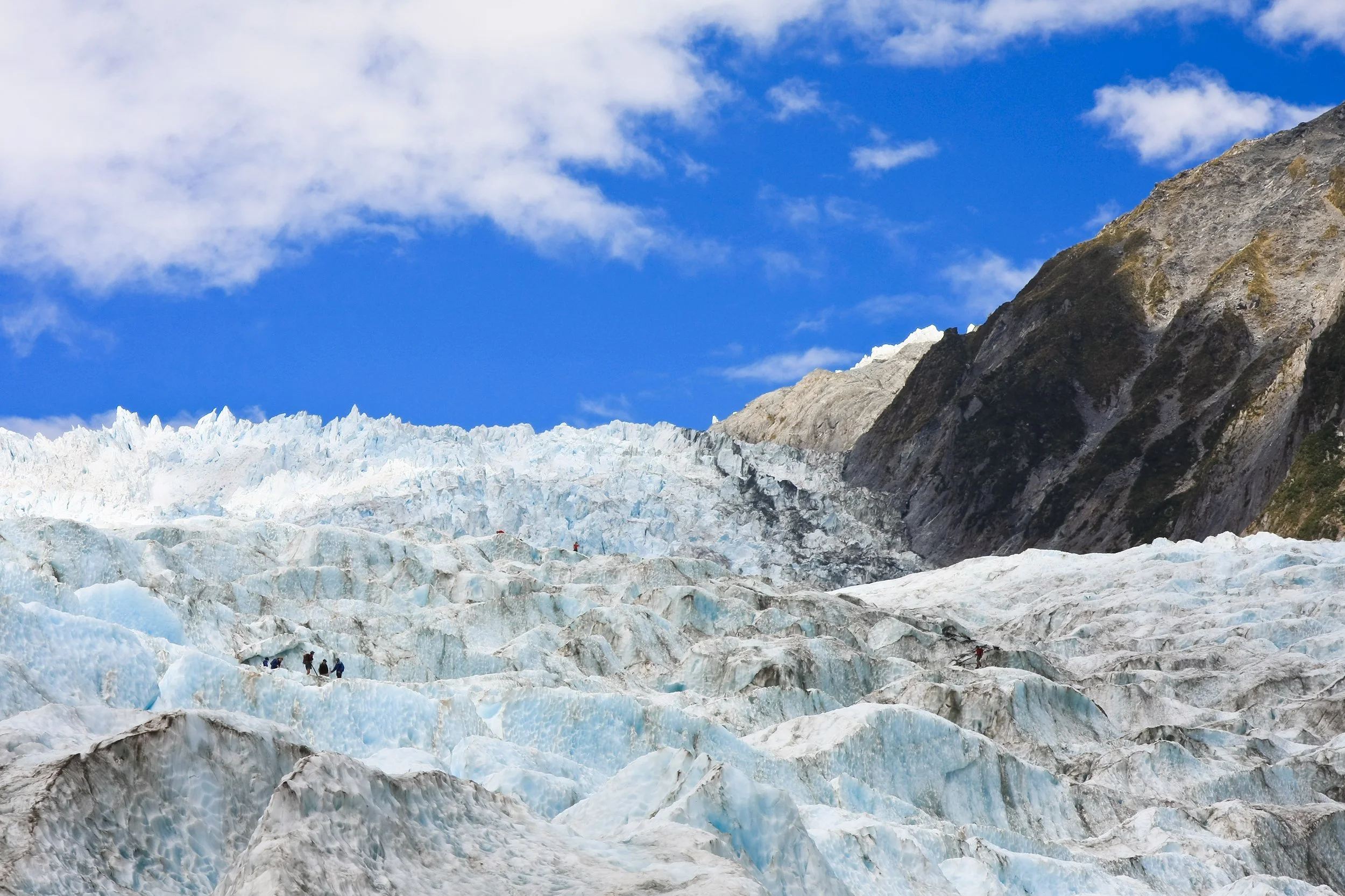
New Zealand’s seasons fall opposite the U.S. calendar, but the best time to visit depends on what you want to do. Summer brings long days for beaches and outdoor adventures; winter puts the Southern Alps’ ski areas in focus; spring and autumn can suit travelers who prefer milder conditions and fewer visitors.
There is no single month that works best across the whole country. The far north has a warmer, subtropical feel, while inland parts of the South Island are alpine and can be snowy in winter. Weather can change quickly, so plan around the experience you want and leave a little room in the schedule.
Quick answer
For a mix of outdoor activities and fewer crowds, look first at autumn (March–May) or spring (September–November). Choose summer (December–February) for beach time, water activities, and long daylight hours, while expecting the busiest travel period. Pick winter (June–August) for skiing and snow scenery, especially around Queenstown, Wānaka, and the Central Plateau.
Those are broad patterns, not guarantees. New Zealand’s official climate guidance notes that conditions vary by region and can shift quickly; check local forecasts close to departure.
| Season | Months | A good fit for | What to plan around |
|---|---|---|---|
| Summer | December–February | Beaches, boat trips, long days outdoors | Higher demand; reserve popular stays and activities early |
| Autumn | March–May | Hiking, changing foliage, a quieter pace | Cooler evenings, especially farther south and later in the season |
| Winter | June–August | Skiing, snow, alpine scenery | Cold-weather gear and flexible mountain or road plans |
| Spring | September–November | Blossoms, wildlife, hiking, shoulder-season travel | Changeable weather and possible rain |
Summer in New Zealand: December to February
Summer is the most popular season for a classic New Zealand trip. Warm days, long evenings, and school holidays make it appealing for coastal walks, beaches, boat excursions, and outdoor dining. In summer, daylight can last well into the evening, which helps when you want to make the most of a scenic day.
The trade-off is demand. New Zealand’s peak holiday period extends across the summer months, and popular places in the South Island can book up early. Reserve accommodation and activities ahead of time if your dates are fixed, especially around holiday periods.
Summer is a strong choice if your list is weighted toward beaches, water, and outdoor time. It is not automatically the best season for every traveler: cities and coastal areas are busier, and alpine weather can still be unpredictable. Pack sun protection and a light rain layer even if the forecast looks settled.
Autumn in New Zealand: March to May
Autumn is a useful shoulder-season choice for travelers who want outdoor days without the height of summer demand. Early autumn can retain warm conditions in some regions, while cooler evenings and changing foliage add a different look to the countryside. Walking and sightseeing can feel comfortable when the days are not as hot.
The season changes as it goes on. A March itinerary and a late-May itinerary are not interchangeable, particularly in the South Island. If you are traveling later in autumn, plan warmer layers and avoid building a tightly timed mountain day around a single forecast.
Choose autumn when scenery and a calmer pace matter more than swimming every day. It can also work well for a two-island trip if you allow enough time between regions rather than trying to cover every highlight in one sweep.
Winter in New Zealand: June to August
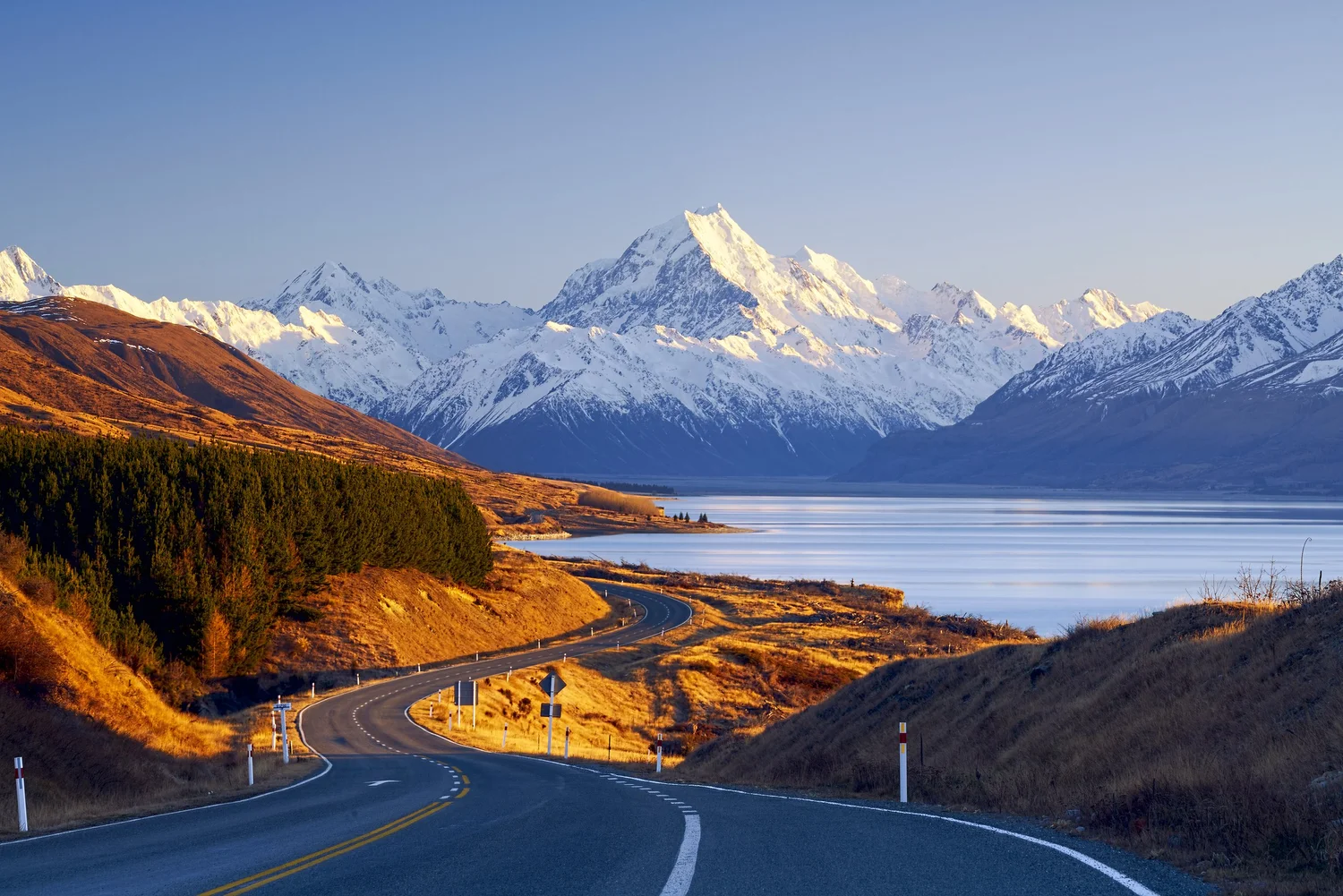
Winter is the season for snow sports and alpine scenery. Queenstown and Wānaka in the South Island, along with the Central Plateau in the North Island, are the best-known ski areas. Winter can be busy in ski towns while quieter in many coastal areas and larger cities, so crowd levels depend on where you go.
Conditions matter more than the calendar. Snow, ice, and changing weather can affect high-country roads and outdoor plans. If you are visiting for skiing, check the operating dates for the particular ski field and book lodging in the relevant town early. If you are not skiing, choose a route with cultural, food, and city activities that still appeal on a cold or wet day.
Winter can be rewarding, but it is not the easiest season for a first trip built around long hikes or remote scenic drives. Keep a flexible day in the itinerary and check weather and transport updates before setting out.
Spring in New Zealand: September to November
Spring brings longer days, blossoms, and a sense of the country waking up after winter. It is a good season for travelers who want hiking and countryside scenery without the peak-summer rush. Wildlife and seasonal landscapes are part of the appeal, while some ski areas may still be operating early in the season depending on conditions.
Spring is also changeable. Warm spells can sit alongside rain, cool mornings, and snow lingering in higher areas. Instead of packing every day with outdoor activities, alternate a planned walk or excursion with a more weather-proof option.
For a spring trip, bring layers and waterproof outerwear and check the forecast for each region, not just the nearest city. A sunny Auckland forecast does not tell you what to expect in the Southern Alps.
Which island and region should you choose?
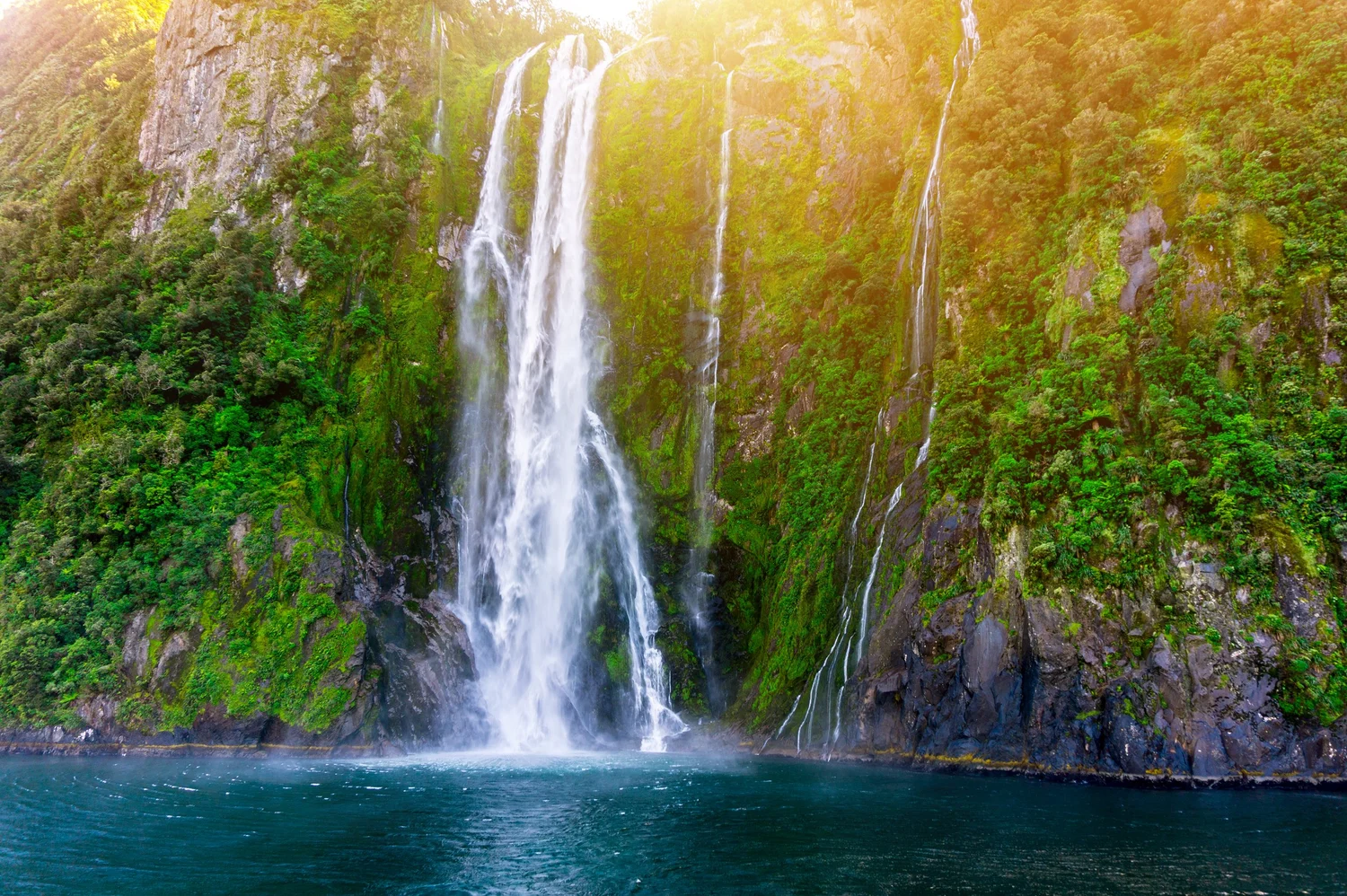
A season helps narrow the dates; geography helps determine the route. The North Island’s far north is warmer and more subtropical, with cities, beaches, geothermal landscapes, and Māori cultural experiences. The South Island has striking alpine and coastal scenery, and its inland regions are more exposed to winter conditions.
If you have about a week, focus on one island rather than trying to cross the whole country. With more time, combine a small number of bases and use a flight or ferry where it saves a long transfer. Avoid scheduling a major outdoor excursion immediately before a fixed departure: weather and regional travel can change the plan.
| If your priority is… | Start by considering… | Keep in mind |
|---|---|---|
| Beach days and water activities | Summer, especially coastal regions | Book popular stays early and protect yourself from strong sun |
| Skiing and snow scenery | Winter in a ski region | Check current ski-field dates and mountain conditions |
| Hiking with a quieter feel | Autumn or spring | Trails and weather differ by altitude and region |
| A first two-island trip | Spring, summer, or early autumn | Allow enough nights for inter-island and regional transfers |
Planning tips for any season
- Check the forecast by region. Conditions can be different on the same day between the North Island, the South Island, and alpine areas.
- Build the route around your priority. Choose beaches, skiing, wildlife, or hiking first, then add the cities and regions that support it.
- Reserve peak-season essentials. Accommodation and popular activities in high-demand areas may have limited availability in summer and ski towns in winter.
- Carry layers and rain protection. A sunny forecast is not a promise of an entirely dry trip.
- Keep an outdoor backup plan. Give yourself another option if rain, snow, or road conditions change a day trip.
- Use current local advice. Check the official New Zealand climate guide and travel booking guidance before finalizing seasonal logistics.
New Zealand tours and custom trips
If you would rather start with a ready-made itinerary, explore these current guided routes. They are different itineraries, not interchangeable seasonal packages. Review each product page for its included transport, dates, and activities.
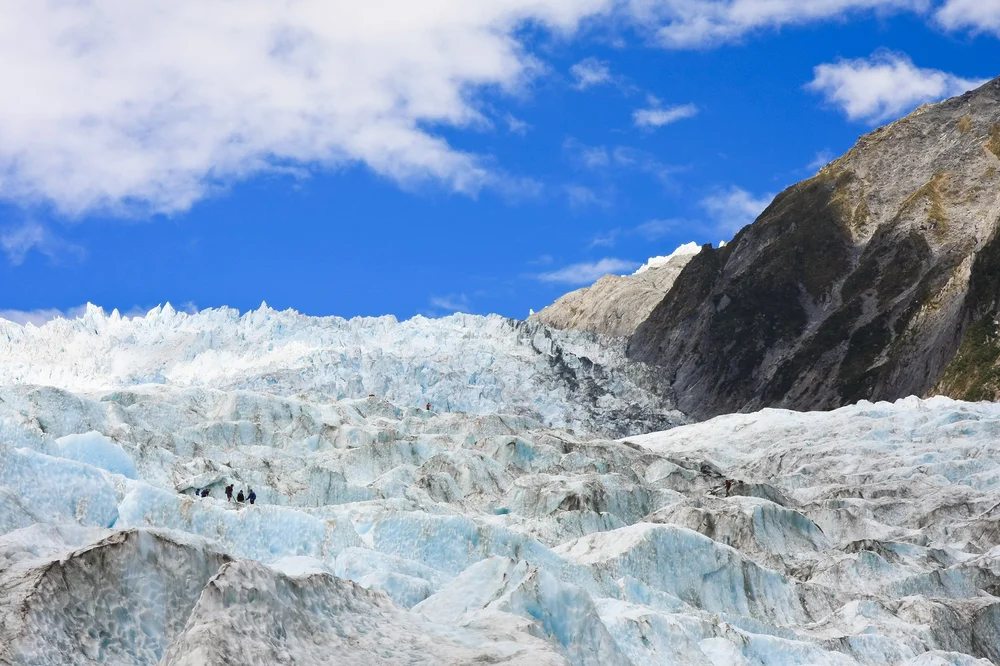
New Zealand Highlights
A ready-made route through major North and South Island highlights.
Explore the tour →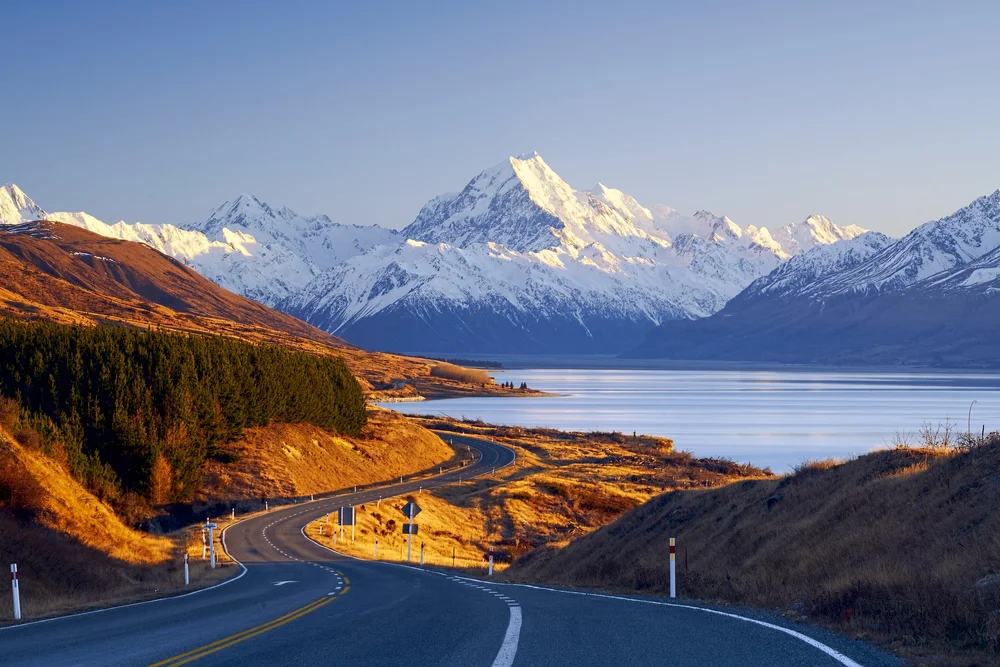
Australia and New Zealand Tour
For travelers who want to pair New Zealand with time in Australia.
Explore the tour →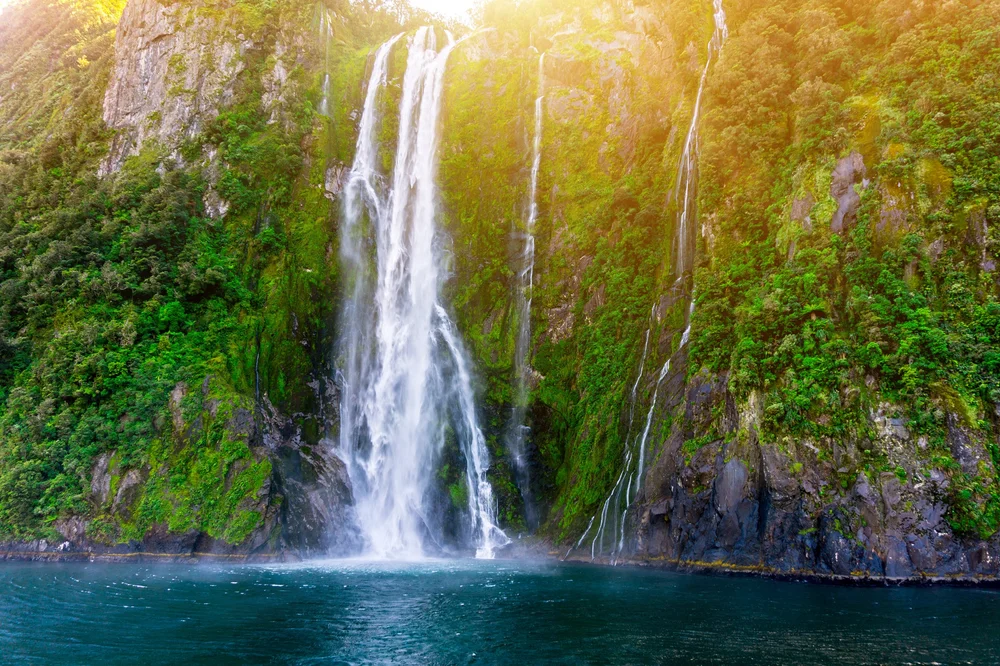
Australia to New Zealand Escape
A longer Australia-and-New Zealand journey with South Island scenery.
Explore the tour →Current product pages list different transport modes. Check the details on each itinerary rather than assuming the same transport mix across every tour.
Plan a New Zealand trip for your season
Tell us when you want to travel, which island interests you, and whether hiking, skiing, wildlife, or coastal scenery matters most. We can help shape a custom route around your priorities.
Frequently asked questions
What is the best month to visit New Zealand?
There is no one best month for every traveler. March and April can work well for a shoulder-season trip; December through February is better for summer activities; and winter is the choice for snow sports. Decide what you want to do, then check conditions for the specific regions on your route.
Is winter a good time to visit New Zealand?
Yes, if skiing, snowboarding, and alpine scenery are priorities. Winter also suits city and coastal stays, though mountain excursions can be more weather-dependent. Confirm ski-field dates and road conditions before you go.
When is New Zealand least crowded?
Spring and autumn are generally considered shoulder seasons, but visitor levels vary by place and activity. A ski town can be busy in winter, and summer holiday periods draw more travelers. Choose dates and regions together rather than assuming the whole country has one crowd pattern.
Should I visit both islands in one trip?
You can, but allow enough time for the connections and weather buffers. If your trip is short, choosing one island usually leaves more time to enjoy each stop instead of spending the holiday in transit.
The best New Zealand trip is the one that fits the season you want and leaves space for the country’s weather to surprise you. Choose your must-do experience first, keep the route realistic, and let the season guide the details.