Where to Travel This Winter 2027
Best Destinations for Sun, Snow & Unforgettable Adventures
Winter 2026–2027 is the perfect opportunity to trade grey skies for tropical beaches, discover atmospheric European cities, or escape to snow-covered mountains for a memorable winter holiday. Whether you're dreaming of a luxury winter sun escape, a festive European city break, an unforgettable safari, or a ski holiday in the Alps, the best winter travel destinations offer far more than a change of scenery.
Travel trends heading into 2027 point towards a mix of familiar favourites and more immersive experiences. Recent coverage from Condé Nast Traveller highlights the continuing appeal of winter sunshine, distinctive cultural experiences, skiing, and destinations that reward travellers who venture beyond the obvious. Japan remains a major draw, while destinations such as South Africa, Thailand, and the Canary Islands offer appealing alternatives for escaping colder weather.
The key is choosing the right destination for the kind of winter holiday you want. December is ideal for Christmas markets, festive city breaks, and tropical escapes during the holiday season. January and February can be excellent for long-haul sunshine, wildlife encounters, and winter sports, while March offers opportunities for late-season skiing and warmer-weather adventures.
In this guide, we'll explore the best places to travel in winter 2027, from the beaches of Southeast Asia and the Caribbean to the deserts of the Middle East, the landscapes of Africa, and Europe's most atmospheric winter destinations. You'll discover what to see and do, when to visit, and how to make the most of each destination.
1. Thailand — Tropical Islands, Street Food & Cultural Adventures
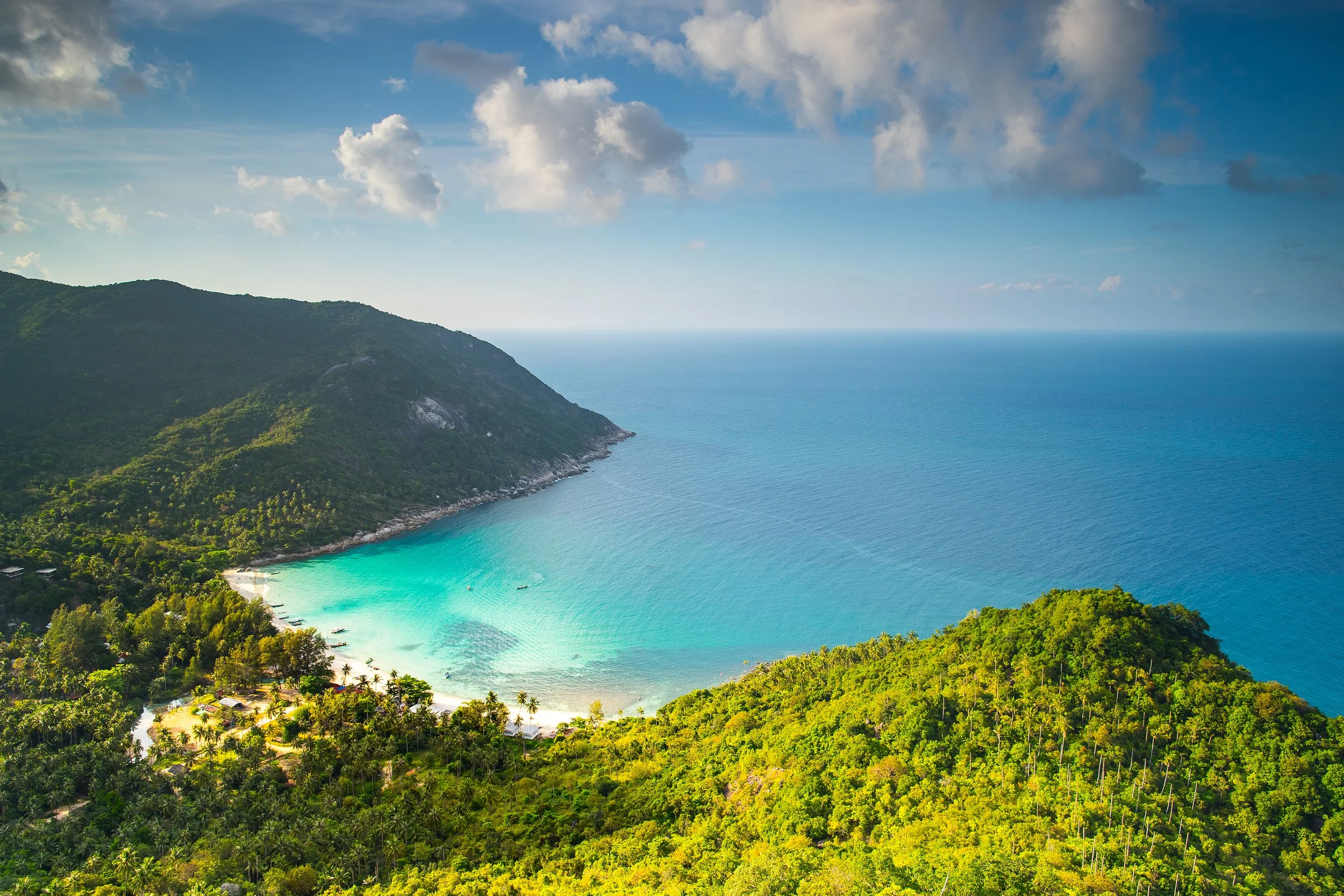
Thailand remains one of the strongest choices for a winter sun holiday in 2027, combining tropical beaches, extraordinary food, fascinating temples, and a wide variety of accommodation, from boutique hideaways to luxurious private-pool villas. December through February is generally one of the most comfortable periods to explore much of the country, with warm days and lower humidity in many popular destinations. Thailand also appeals to travellers who want more than a beach resort: you can combine a vibrant Asian capital, mountain landscapes, traditional markets, and several days on an island in one holiday.
Begin in Bangkok, where ornate temples stand alongside contemporary skyscrapers, designer shopping centres, and rooftop restaurants. Visit the Grand Palace and Wat Phra Kaew, admire Wat Arun beside the Chao Phraya River, and explore the city's canal network to discover a quieter side of local life. Chinatown's Yaowarat Road is particularly rewarding in the evening, when street-food stalls serve grilled seafood, noodle dishes, and sweet Thai desserts. Spend time browsing local markets, sampling regional cuisine, or taking a guided food tour to understand why Bangkok is one of Asia's great culinary destinations.
For a change of pace, travel north to Chiang Mai. Surrounded by mountains and forest, the city offers traditional temples, independent cafés, handicraft workshops, cooking classes, and access to rural communities. Explore the historic old town, visit Wat Phra That Doi Suthep for sweeping views, and venture into the surrounding countryside for waterfalls and scenic hiking. Travellers interested in wildlife should choose responsible sanctuaries that prioritise animal welfare rather than attractions offering elephant rides.
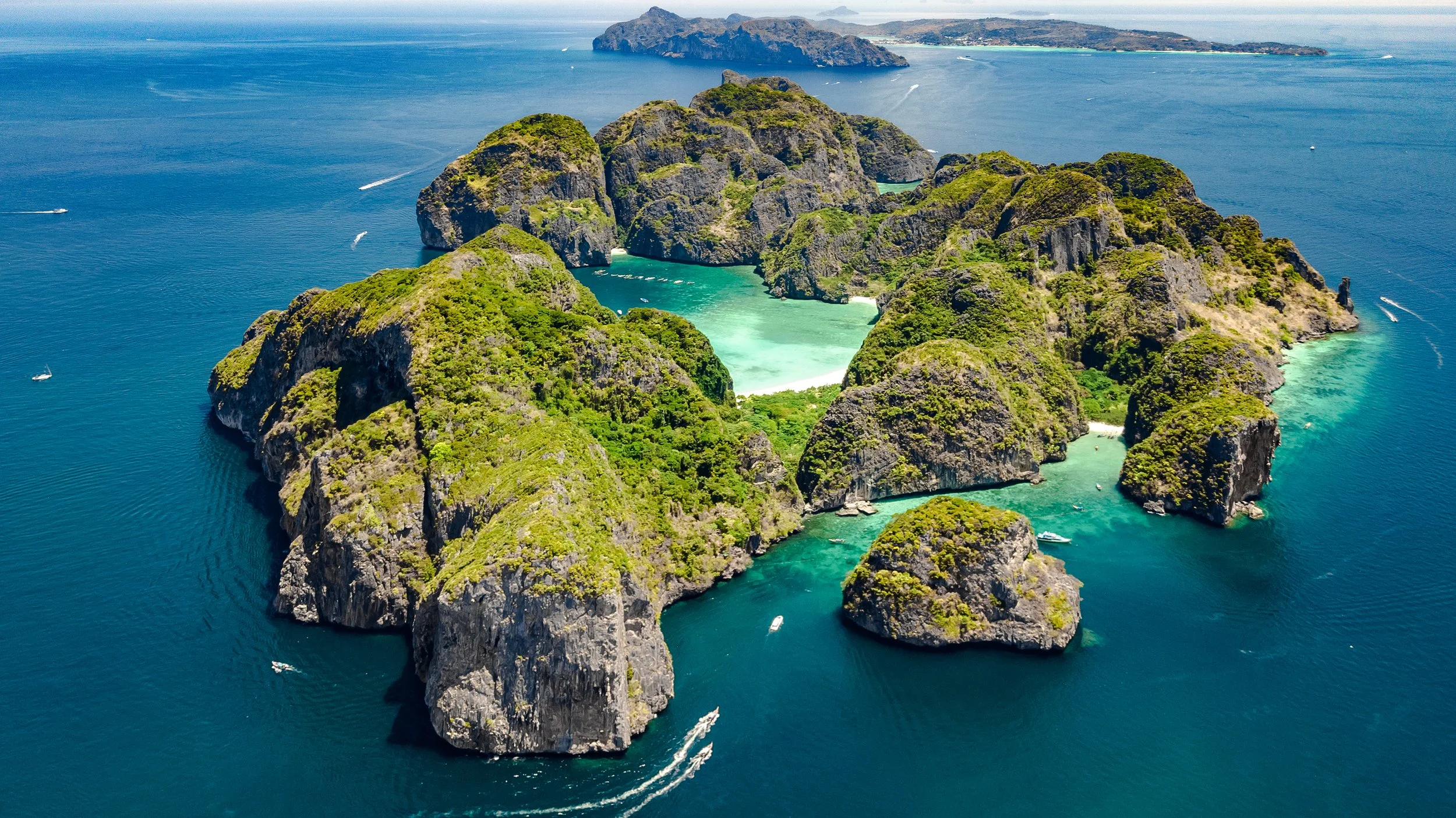
The southern islands provide the classic winter escape. On the Andaman coast, Phuket, Krabi, Koh Lanta, and the Phi Phi Islands offer beautiful beaches, limestone cliffs, boat excursions, and excellent opportunities for snorkelling and diving. The Gulf islands, including Koh Samui, Koh Phangan, and Koh Tao, have different weather patterns, so compare seasonal conditions before deciding where to stay. December and January can be particularly wet around Koh Samui, while conditions often improve later in the winter.
Thailand is also an excellent destination for a tailor-made winter holiday. A combination of Bangkok, Chiang Mai, and a carefully chosen beach destination provides a rewarding balance of culture, nature, and relaxation without spending the entire trip in transit.
Best time to visit: November to February for much of the country, although regional weather varies.
Ideal stay: 10–14 days.
Best for: Winter sunshine, luxury beach holidays, food lovers, cultural exploration, and island hopping.
2. The Maldives — Private Islands & Barefoot Luxury
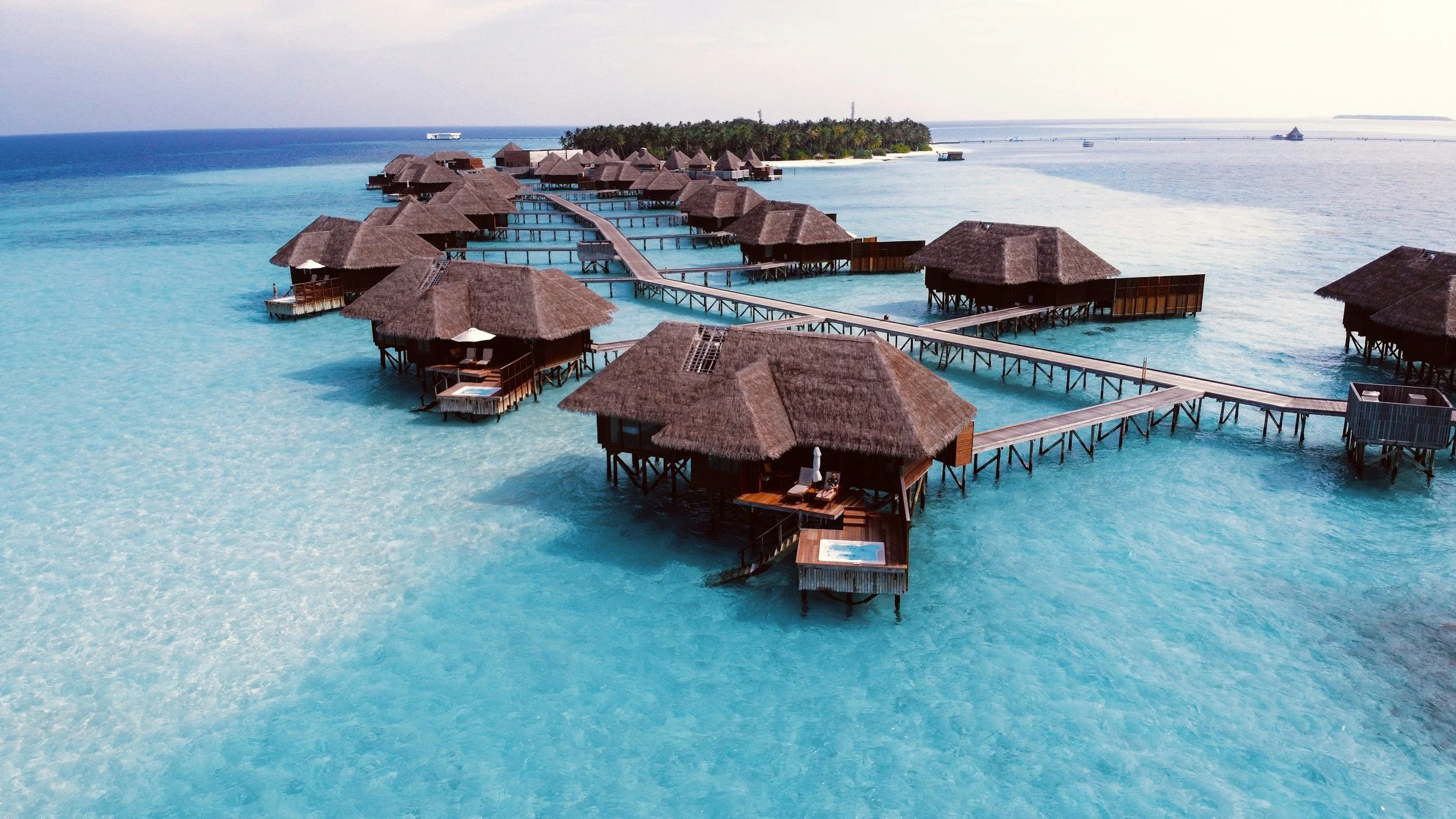
For travellers who imagine winter as warm turquoise water, powder-soft sand, and days spent between a private villa and the ocean, the Maldives remains one of the world's most appealing luxury winter destinations. The archipelago consists of hundreds of coral islands scattered across the Indian Ocean, with resorts occupying individual islands and offering a remarkable sense of seclusion. It is especially popular for honeymoons, anniversaries, milestone celebrations, and family holidays where relaxation takes priority.
The experience depends heavily on the island and resort you choose. Some properties specialise in overwater villas with direct lagoon access, private pools, and panoramic sunset views. Others offer expansive beaches, lush tropical gardens, family clubs, and extensive watersports programmes. For divers, the Maldives provides access to colourful coral reefs, manta rays, sea turtles, reef sharks, and an extraordinary variety of marine life. Snorkelling excursions can be arranged directly from many resorts, while guided dives reveal underwater landscapes that are among the destination's main attractions.
Days can be as active or as relaxed as you like. Take a traditional dhoni boat out for a sunset cruise, arrange a private sandbank picnic, or explore the lagoon by kayak or paddleboard. Many resorts offer marine conservation experiences, including reef education and responsible wildlife encounters. Couples may prefer a private dinner overlooking the water, while families can look for resorts with children's programmes and calm swimming lagoons.
Winter is also a good time to combine a Maldivian beach stay with another destination. A longer trip might pair the Maldives with Sri Lanka, where ancient cities, tea plantations, wildlife parks, and coastal towns add cultural depth to a tropical escape. Because resort transfers can involve seaplanes or domestic flights, it is worth checking arrival times and transfer arrangements before booking international flights.
The Maldives is not necessarily a budget destination, particularly during Christmas, New Year, and February school holidays. Resort rates, meal plans, and transfers can substantially affect the total cost. However, choosing a local island guesthouse rather than a private-island resort can make the destination more accessible for independent travellers.
Best time to visit: December to April is generally the drier period, although tropical showers remain possible.
Ideal stay: 5–8 nights, or longer when combining the islands with another country.
Best for: Luxury winter holidays, honeymoons, diving, private villas, and peaceful beach escapes.
3. Cape Town, South Africa — Summer Sunshine, Wine Country & Dramatic Coastlines
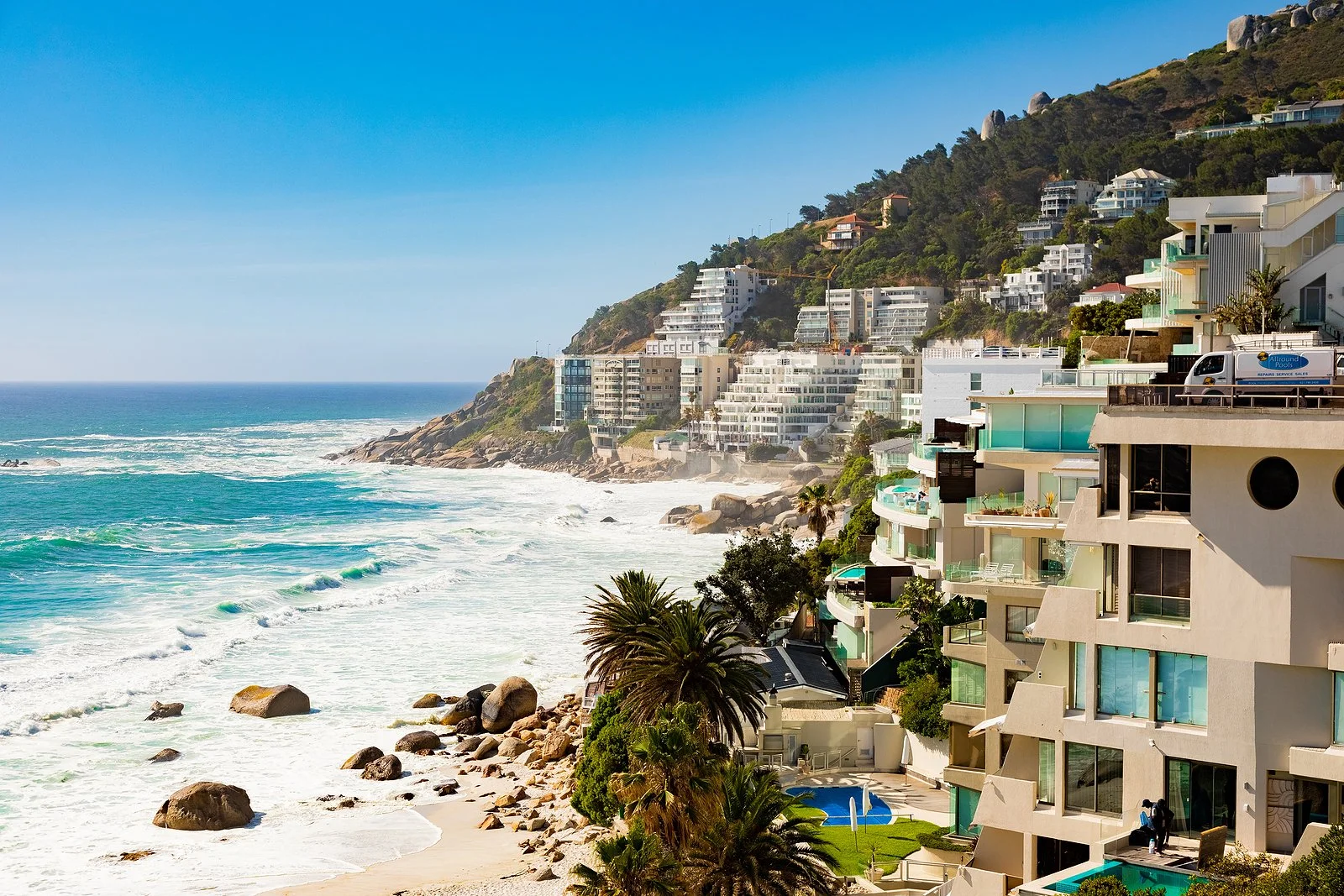
While much of Europe and North America experiences winter, Cape Town enters summer, making it one of the most appealing destinations for a December or January escape. The city combines mountain scenery, beautiful beaches, creative neighbourhoods, excellent restaurants, and easy access to vineyards and coastal landscapes. It is also an attractive option for travellers who want a sophisticated city break with plenty of outdoor adventure.
Start with Table Mountain, one of Cape Town's defining landmarks. On a clear day, take the cableway to the summit for panoramic views of the city, Table Bay, and the surrounding mountains. Conditions can change quickly, so check the weather before setting out. Lion's Head offers another spectacular viewpoint for hikers, while the Company's Garden provides a gentler introduction to the city's historic centre.
The Atlantic coastline is equally memorable. Camps Bay is known for its beach and mountain backdrop, while Clifton's beaches are particularly attractive for scenic walks and sunny afternoons. The V&A Waterfront offers restaurants, shops, harbour views, and access to boat excursions. In the colourful Bo-Kaap neighbourhood, explore historic streets and learn about Cape Malay culture and cuisine. Food lovers can spend time in the city's markets and contemporary restaurants, where South African ingredients, seafood, and international influences feature prominently.
Beyond the city, the Cape Peninsula makes an excellent full-day excursion. Follow the scenic coastal road through Chapman's Peak, visit the Cape of Good Hope section of Table Mountain National Park, and stop at Boulders Beach to see its African penguin colony from designated viewing areas. Along the route, small coastal villages and viewpoints provide opportunities to slow down and enjoy the landscape.
Wine enthusiasts should allow time for Stellenbosch, Franschhoek, and Paarl. These historic wine regions are known for vineyard estates, mountain scenery, farm restaurants, and tasting experiences. Many estates also offer gardens and activities suitable for visitors who are not focused exclusively on wine. If you have more time, the Garden Route offers a longer coastal journey with forests, beaches, lagoons, and outdoor adventures.
Cape Town has attracted fresh attention in recent winter-sun coverage, with Condé Nast Traveller highlighting its summer weather, dining scene, and value compared with some other sunny destinations.
It is worth remembering that December and January are busy months locally, so accommodation and popular restaurants should be booked early.
Best time to visit: November to March for summer weather and outdoor exploration.
Ideal stay: 7–10 days, or 12–14 days with a Garden Route extension.
Best for: Winter sun, food and wine, scenic road trips, beaches, and active holidays.
4. Costa Rica — Rainforests, Volcanoes & Pacific Beaches
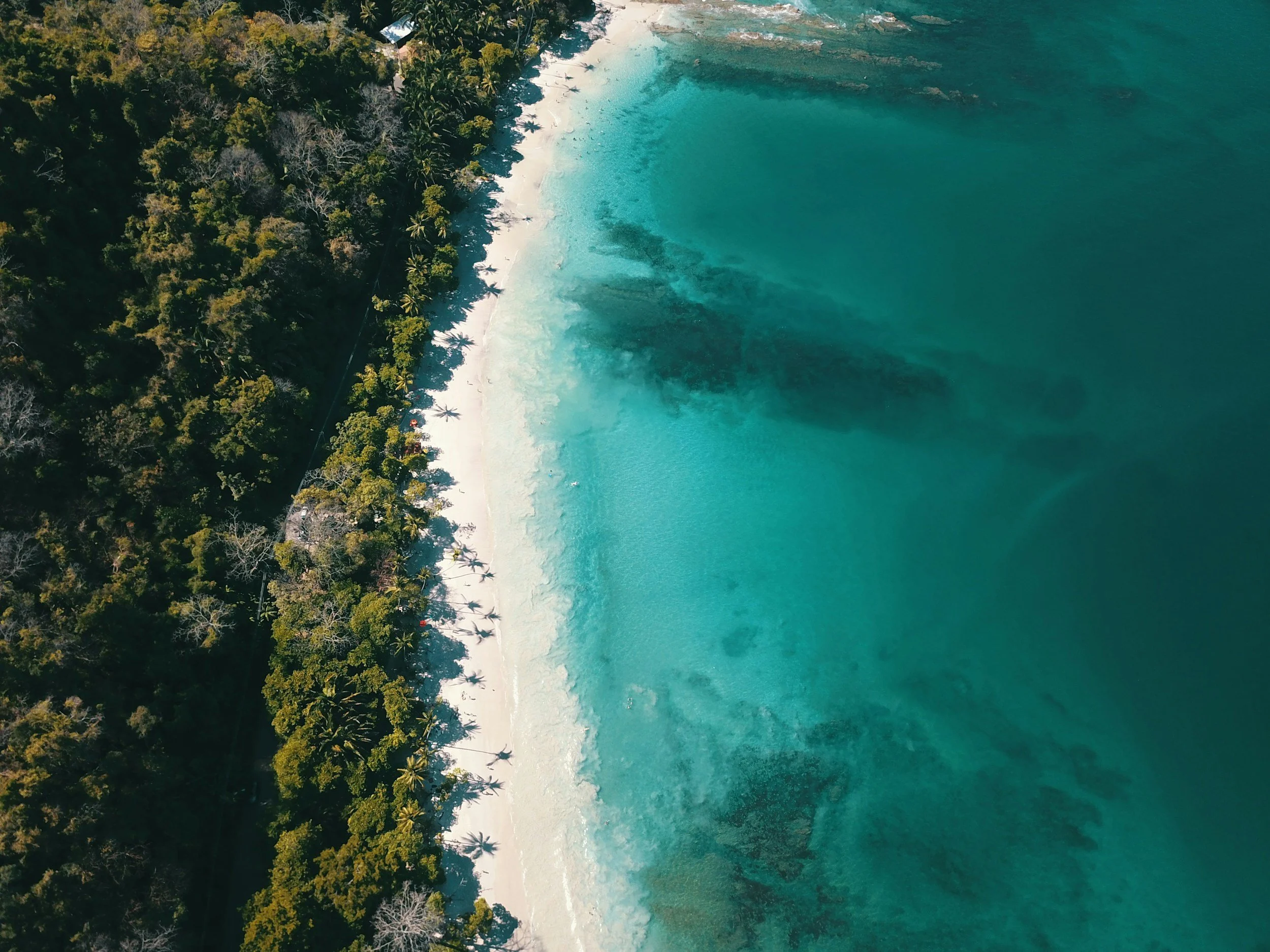
Costa Rica is an excellent winter destination for travellers who would rather combine sunshine with adventure than spend an entire holiday beside a swimming pool. Its Pacific coast generally enters the dry season from December, while its rainforests, volcanoes, cloud forests, and wildlife-rich national parks provide opportunities to explore a remarkable range of landscapes.
Start in La Fortuna, a small town beneath Arenal Volcano. The region is known for its rainforest trails, hanging bridges, waterfalls, and natural hot springs. Guided walks offer opportunities to learn about tropical ecosystems and spot birds, frogs, and other wildlife. More adventurous visitors can try zip-lining, white-water rafting, canyoning, or horseback riding, while families may prefer gentle nature walks and time in the hot springs.
Continue to Monteverde for a different atmosphere. Here, mist often drifts through the cloud forest, creating a habitat for orchids, mosses, birds, and other specialised wildlife. Walk through forest reserves with a naturalist guide, explore suspension bridges high among the trees, or visit butterfly and hummingbird gardens. The area is especially rewarding for birdwatchers hoping to spot the resplendent quetzal, although sightings are never guaranteed.
For a beach extension, Costa Rica's Pacific coast offers several distinct choices. Manuel Antonio combines rainforest with attractive beaches and a national park famous for its biodiversity. Guanacaste is known for sunny weather, surf towns, and beach resorts, while the Nicoya Peninsula attracts travellers looking for yoga retreats, relaxed coastal communities, and outdoor activities. Tamarindo is lively and convenient, whereas Santa Teresa and Nosara offer a more laid-back atmosphere.
Costa Rica also works well for travellers who want to see wildlife responsibly. Choose licensed naturalist guides, maintain a respectful distance from animals, and avoid operators that encourage direct contact with wild creatures. Sloths, monkeys, toucans, and sea turtles are among the animals visitors may encounter, depending on the region and season.
For a winter holiday, the biggest planning consideration is travel time. Mountain roads, winding routes, and traffic can make journeys longer than distances on a map suggest. Rather than trying to see the entire country in a week, choose two or three bases and allow enough time to enjoy each one.
Best time to visit: December to April for generally drier conditions on much of the Pacific side.
Ideal stay: 8–12 days.
Best for: Adventure travel, wildlife, family holidays, eco-lodges, and rainforest-to-beach trips.
5. The Canary Islands, Spain — European Winter Sun Without a Long-Haul Flight
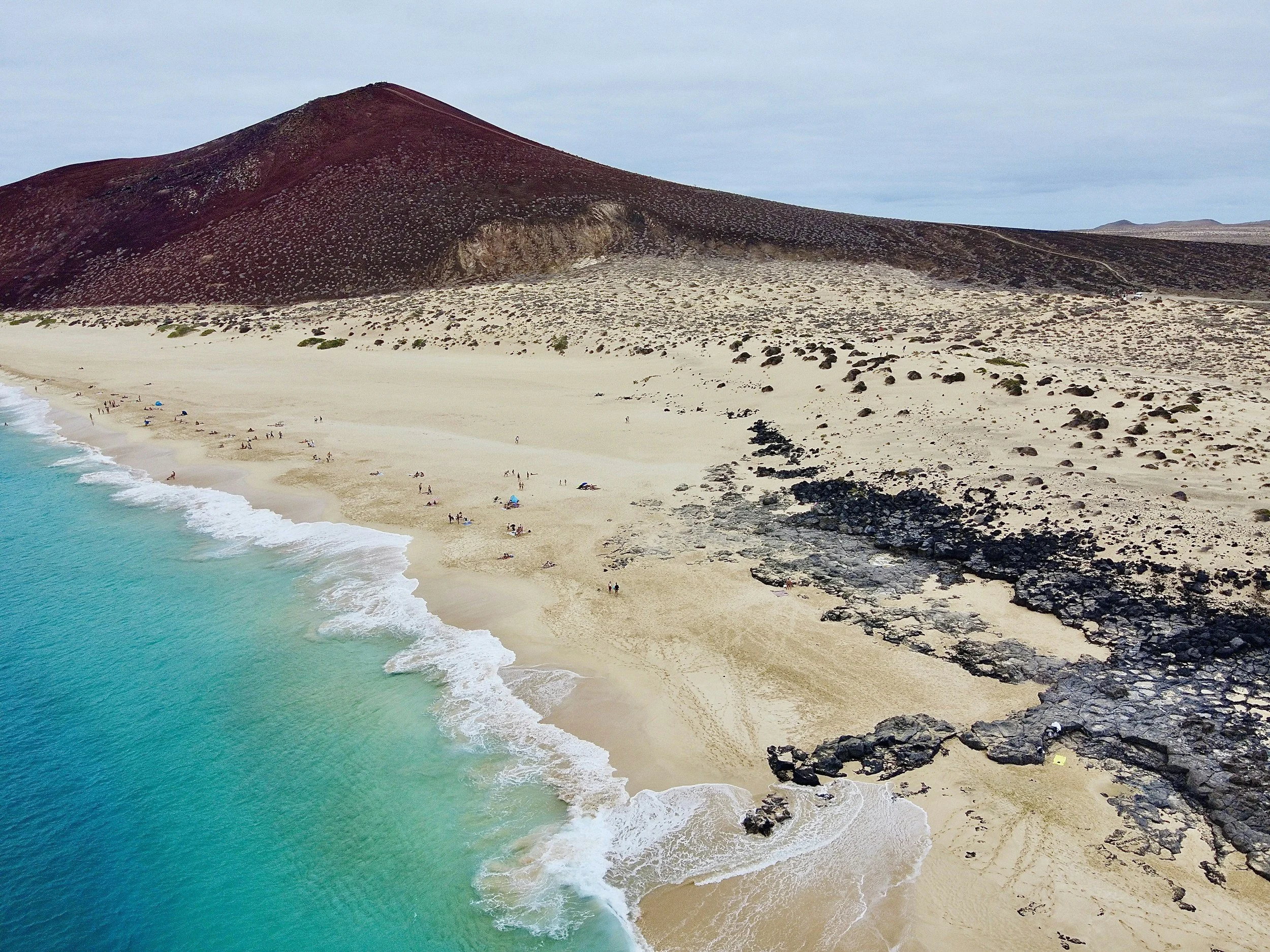
For travellers based in Europe, the Canary Islands are among the most convenient places to find winter sunshine without committing to a long-haul flight. Located off the northwest coast of Africa, this Spanish archipelago offers mild temperatures, volcanic landscapes, seaside promenades, and a wide range of accommodation. It is particularly attractive for families, couples, and travellers who want outdoor activities without the intensity of a tropical journey.
Tenerife is a versatile starting point. Mount Teide dominates the island, and its volcanic landscapes look almost otherworldly. Explore Teide National Park, take scenic drives through lava fields, and use the cable car when operating conditions and reservations permit. Along the coast, resort areas provide beaches, restaurants, and watersports, while towns such as La Laguna offer historic architecture and a more local atmosphere.
Gran Canaria offers a similarly varied landscape, with the famous Maspalomas dunes in the south, mountainous interior villages, and Las Palmas de Gran Canaria's historic Vegueta district. Visitors can spend the morning on a beach, drive through winding mountain roads in the afternoon, and enjoy fresh seafood or traditional Canarian dishes in the evening.
Lanzarote appeals to travellers interested in design and geology. Its volcanic scenery, shaped by past eruptions, can be explored in Timanfaya National Park, while the island's architecture and cultural attractions are closely associated with artist César Manrique. Fuerteventura is known for long beaches, windsurfing, and open landscapes, making it a favourite for travellers who prefer space and a quieter rhythm.
Winter is also a good time for walking, cycling, and exploring the islands beyond the main resorts. However, the Atlantic can be cool, and mountain areas may be windy or significantly colder than coastal towns. The Canary Islands offer mild winter weather rather than guaranteed tropical heat.
Recent winter-sun coverage has continued to include Tenerife among Europe's attractive seasonal escapes, especially for travellers prioritising accessible sunshine and reasonable everyday costs.
Best time to visit: November to March for a winter escape.
Ideal stay: 5–8 days per island.
Best for: European winter sun, family holidays, hiking, volcanic landscapes, and beach resorts.
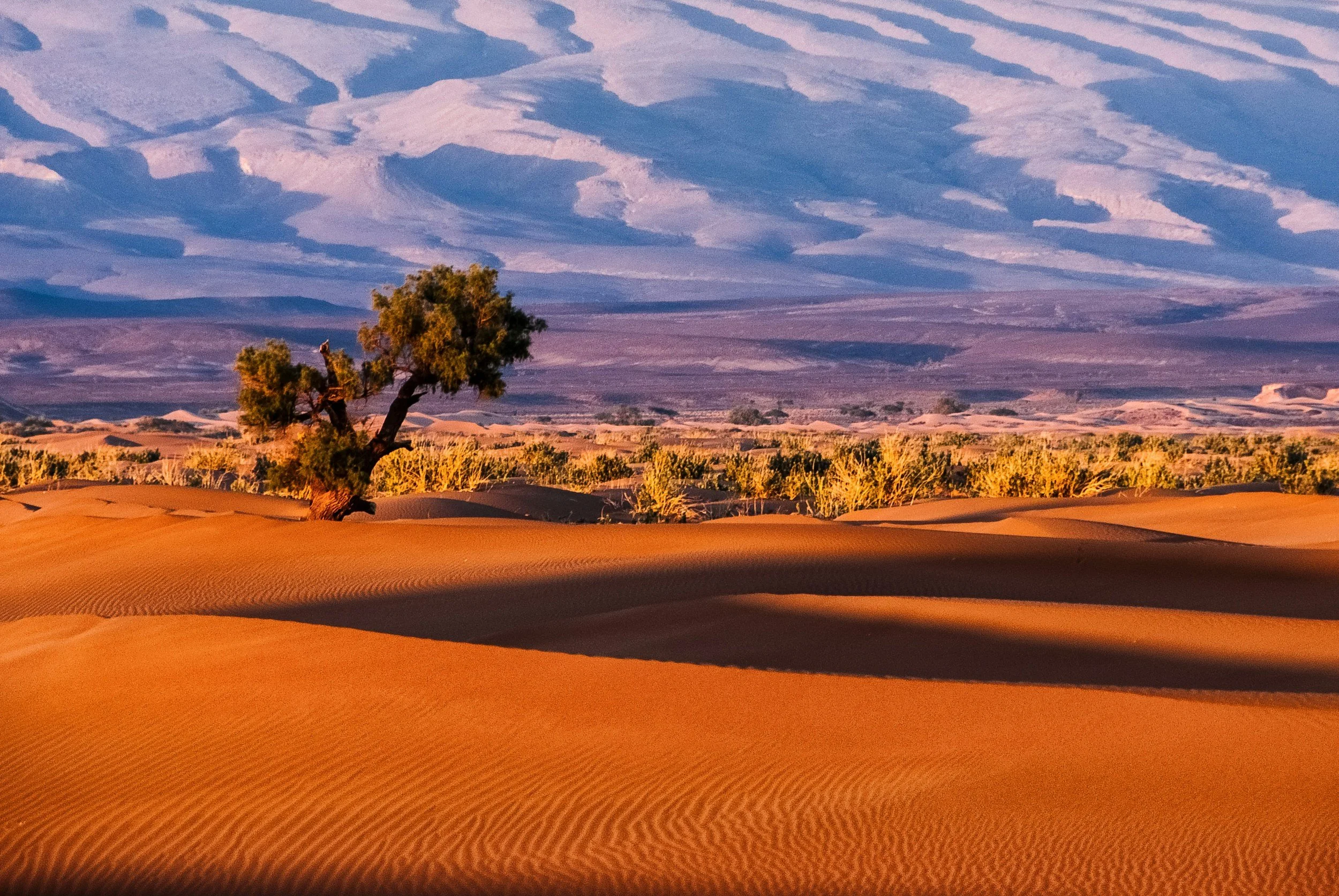
6. Morocco — Marrakech, the Atlas Mountains & the Sahara Desert
Morocco is one of the most rewarding winter destinations for travellers who want culture, architecture, desert landscapes, and distinctive accommodation without travelling to the other side of the world. Winter brings cooler temperatures to much of the country, making it a particularly appealing season for exploring historic cities and taking excursions into the desert. Days in Marrakech can be pleasantly sunny, although evenings are often cold, and mountain regions can experience snow.
Marrakech is the natural starting point for many winter trips. Within the old medina, narrow streets lead to traditional riads, artisan workshops, spice stalls, and bustling markets. Explore Bahia Palace for its intricate decoration and courtyards, visit the Ben Youssef Madrasa, and discover the city's historic mosques and gardens. The Jardin Majorelle, associated with Yves Saint Laurent, offers a striking contrast to the surrounding streets, with cobalt-blue architecture and lush planting. In the evening, Jemaa el-Fnaa comes alive with food stalls, performers, and the energy of everyday Moroccan life.
Food is an essential part of the experience. Try slow-cooked tagines, couscous, freshly baked breads, Moroccan salads, and mint tea. A guided market visit or cooking class offers insight into the spices, ingredients, and techniques behind the country's cuisine. For accommodation, traditional riads provide an atmospheric alternative to larger hotels, often with central courtyards, rooftop terraces, and intimate dining spaces.
Beyond Marrakech, the Atlas Mountains provide a complete change of scenery. Travellers can visit Berber villages, arrange guided walks, explore mountain valleys, and stay in lodges overlooking dramatic peaks. Conditions vary considerably with altitude, so winter hiking requires appropriate clothing and local guidance.
For an unforgettable desert experience, travel towards Merzouga and the dunes of Erg Chebbi. The journey is substantial, often involving several days if you want to explore comfortably, but the reward is a landscape of golden sand, remote settlements, and extraordinary night skies. A desert camp allows visitors to experience the changing colours of the dunes at sunset and sunrise. Alternatively, the historic ksar of Aït Benhaddou and the landscapes around Ouarzazate provide a shorter desert-region extension from Marrakech.
Travellers with more time can add Fes, known for its historic medina and traditional crafts, or Essaouira, a relaxed Atlantic coastal town with ramparts, seafood restaurants, and a strong artistic atmosphere.
Best time to visit: October to April for comfortable sightseeing; December to February can be cold at night.
Ideal stay: 7–10 days.
Best for: Cultural travel, desert adventures, boutique riads, food, and winter sunshine close to Europe.
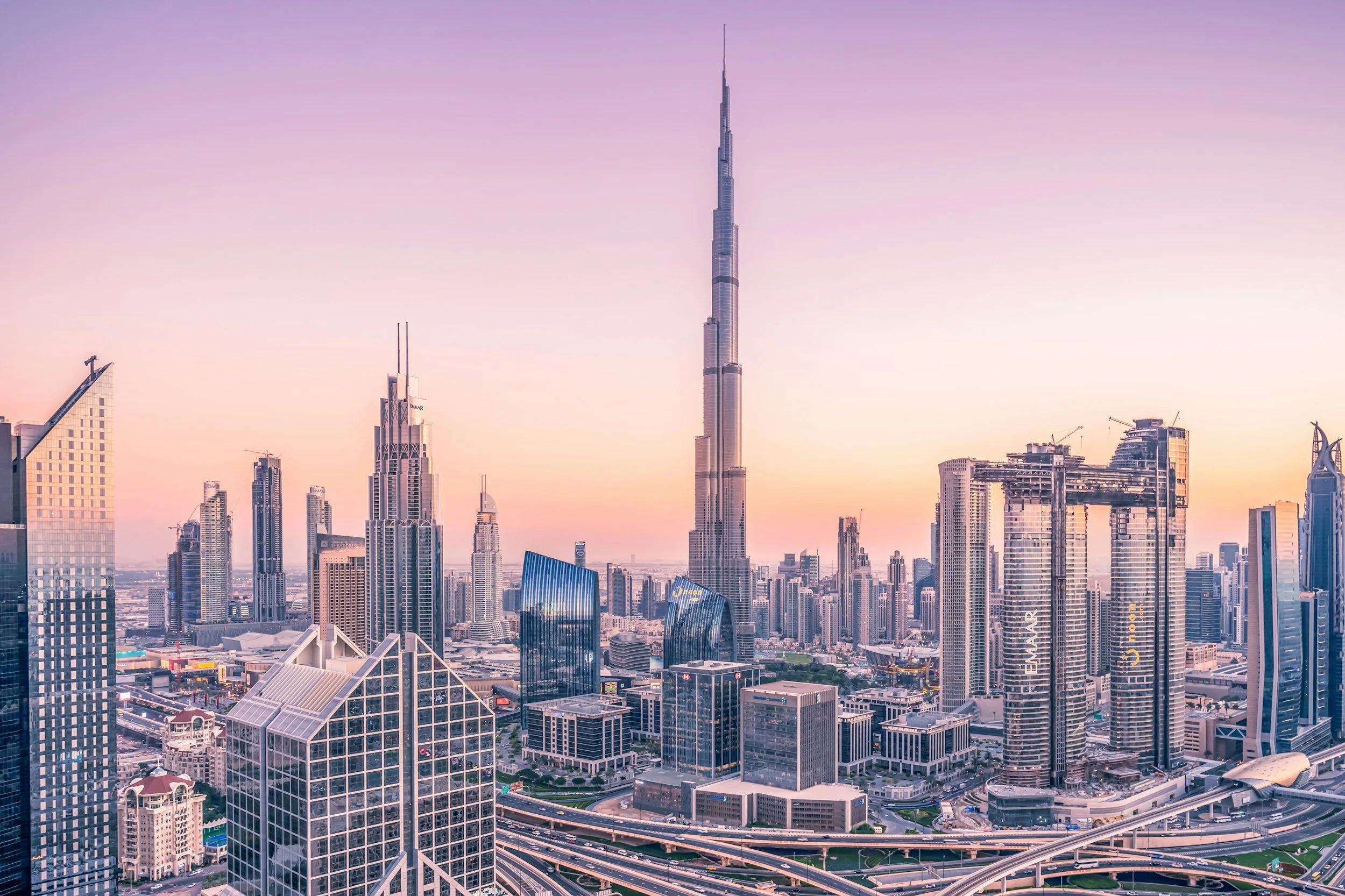
7. Dubai & Oman — Desert Landscapes, Luxury Hotels & Arabian Culture
The Middle East offers some of the most comfortable outdoor sightseeing conditions of the year during the northern winter. Dubai is known for its impressive skyline, luxurious hotels, shopping, beaches, and entertainment, while neighbouring Oman offers rugged mountains, traditional towns, dramatic wadis, and vast desert landscapes. Combining the two can create a winter holiday that balances contemporary luxury with a deeper sense of regional history and nature.
In Dubai, begin with the Burj Khalifa and the surrounding Downtown district, where fountains, restaurants, and the Dubai Mall create a lively urban centre. The city's beaches offer opportunities for swimming and watersports, while Dubai Marina and Palm Jumeirah are popular for waterfront dining and boat excursions. For a different perspective, explore the historic Al Fahidi neighbourhood, cross Dubai Creek by traditional abra, and browse the souks of Deira.
A desert safari is one of the region's signature experiences, with excursions offering dune landscapes, wildlife encounters, and sunset views. For a more considered experience, look for smaller-group trips or desert lodges that allow more time to appreciate the landscape rather than focusing solely on high-speed activities. Winter is also a good season for outdoor dining, golf, and exploring the city's architectural attractions.
Oman offers a more nature-focused alternative. In Muscat, visit the Sultan Qaboos Grand Mosque, explore Mutrah Souq, and walk along the Corniche overlooking the harbour. The country's forts, fishing villages, and traditional architecture offer a different perspective on Arabian history. Beyond the capital, the Hajar Mountains provide dramatic scenery, with Jebel Shams known for its enormous canyon views and mountain walking.
Wadi Shab is a popular destination for hikers who want to discover turquoise pools and narrow canyon passages, while Wadi Bani Khalid offers another striking combination of rock formations and water. In the Sharqiya Sands, desert camps provide opportunities for stargazing and experiencing the vastness of the dunes. Nizwa, with its fort and traditional market, is another rewarding stop, especially when combined with nearby mountain villages.
Oman requires more driving and planning than Dubai, but that is part of its appeal. A carefully arranged road trip can link Muscat, Nizwa, the mountains, and the desert, with time for coastal scenery along the way.
Best time to visit: November to March, when outdoor temperatures are generally more comfortable.
Ideal stay: 4–5 days in Dubai, 5–8 days in Oman, or 10–12 days for both.
Best for: Luxury winter holidays, desert adventures, architecture, road trips, and cultural experiences.
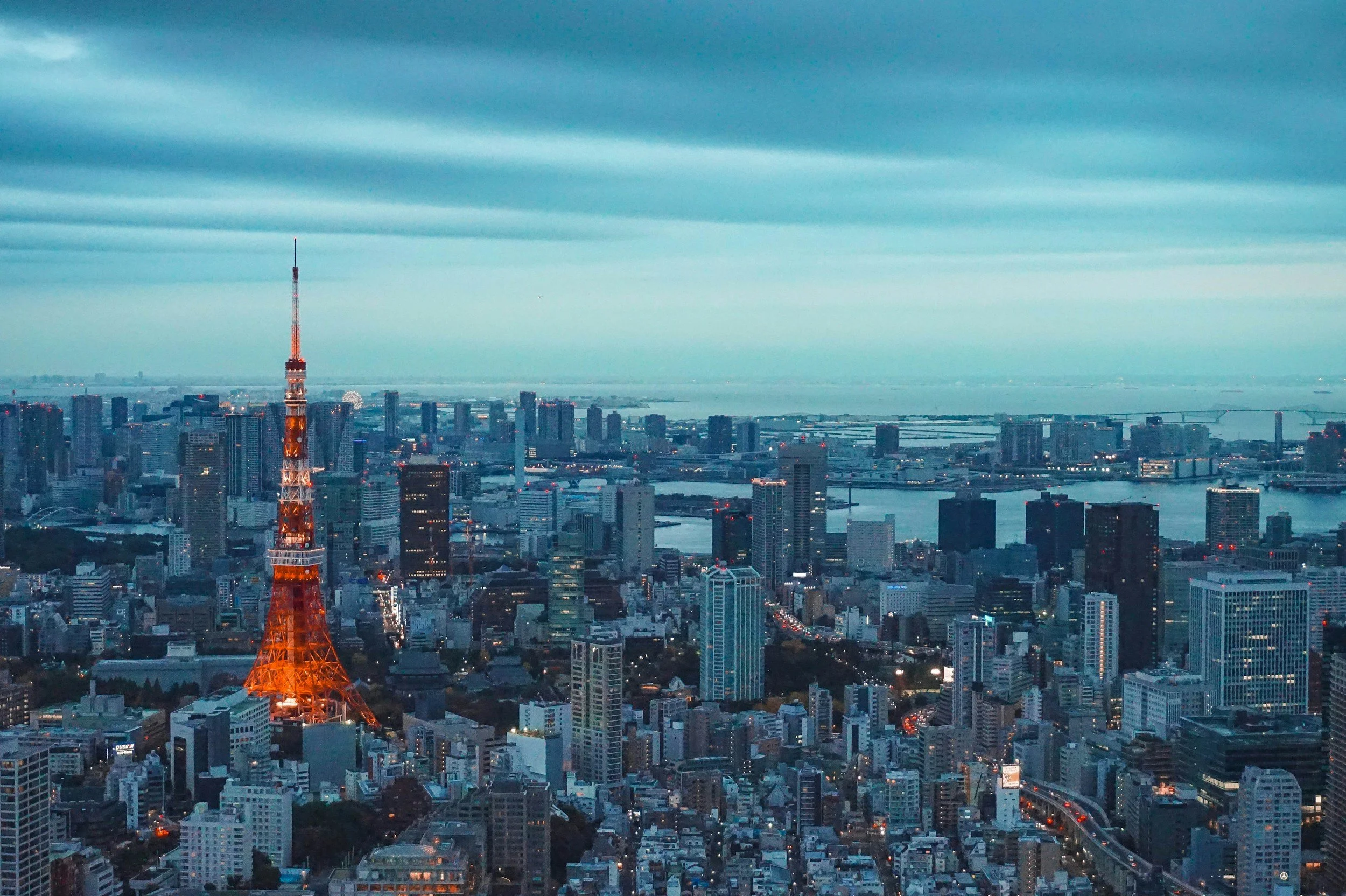
8. Japan — Snowy Landscapes, Hot Springs & Winter Food
Japan offers one of the most varied winter travel experiences in the world. Depending on where you go, you can spend your holiday skiing through deep powder, soaking in a traditional hot spring, exploring centuries-old temples, or discovering the food culture of one of the world's most exciting culinary destinations. It is particularly appealing to travellers who want their winter holiday to combine outdoor adventure with cultural depth.
For skiing and snowboarding, Hokkaido is a major draw. Resorts around Niseko are internationally known for their snowfall, while Furano and other areas offer alternatives for different abilities and travel styles. Beyond the slopes, visitors can enjoy Japanese hot springs, local seafood, warming bowls of ramen, and stays in traditional inns. Snow conditions vary each year, so travellers should check resort opening dates and forecasts rather than assume every area will have ideal conditions throughout winter.
Further south, Nagano offers access to mountain resorts and traditional hot-spring towns. Jigokudani Monkey Park is famous for Japanese macaques that sometimes bathe in natural hot springs during cold weather. Sightings and bathing behaviour depend on conditions, but the park provides an opportunity to observe wildlife in a distinctive winter setting. Nearby towns and mountain villages also offer traditional accommodation and regional cuisine.
Tokyo is a rewarding addition for visitors who prefer city exploration to skiing. Winter illuminations transform commercial districts, while museums, markets, department stores, and neighbourhood restaurants provide plenty to explore on colder days. Discover the historic streets of Asakusa, browse shops in Harajuku, and sample ramen, sushi, and regional specialities in neighbourhood eateries.
Kyoto offers a different atmosphere, with historic temples, gardens, traditional wooden streets, and tea houses. Winter can bring fewer visitors than the busy cherry-blossom and autumn foliage periods, although popular attractions remain well known. Visit Kinkaku-ji, explore the lanes of Gion, and spend time at quieter temples where seasonal scenery adds to the experience. Pair Kyoto with nearby Nara or Uji for more cultural exploration.
For a winter itinerary, a combination of Tokyo, Kyoto, and a snowy mountain region works especially well if you have enough time. Japan's rail network makes many journeys convenient, although ski destinations may require additional transfers and advance transport planning.
Best time to visit: December to February for winter sports and seasonal city experiences.
Ideal stay: 10–14 days for a multi-region trip; 5–7 days for a focused ski holiday.
Best for: Skiing, hot springs, winter cuisine, cultural travel, and luxury rail journeys.
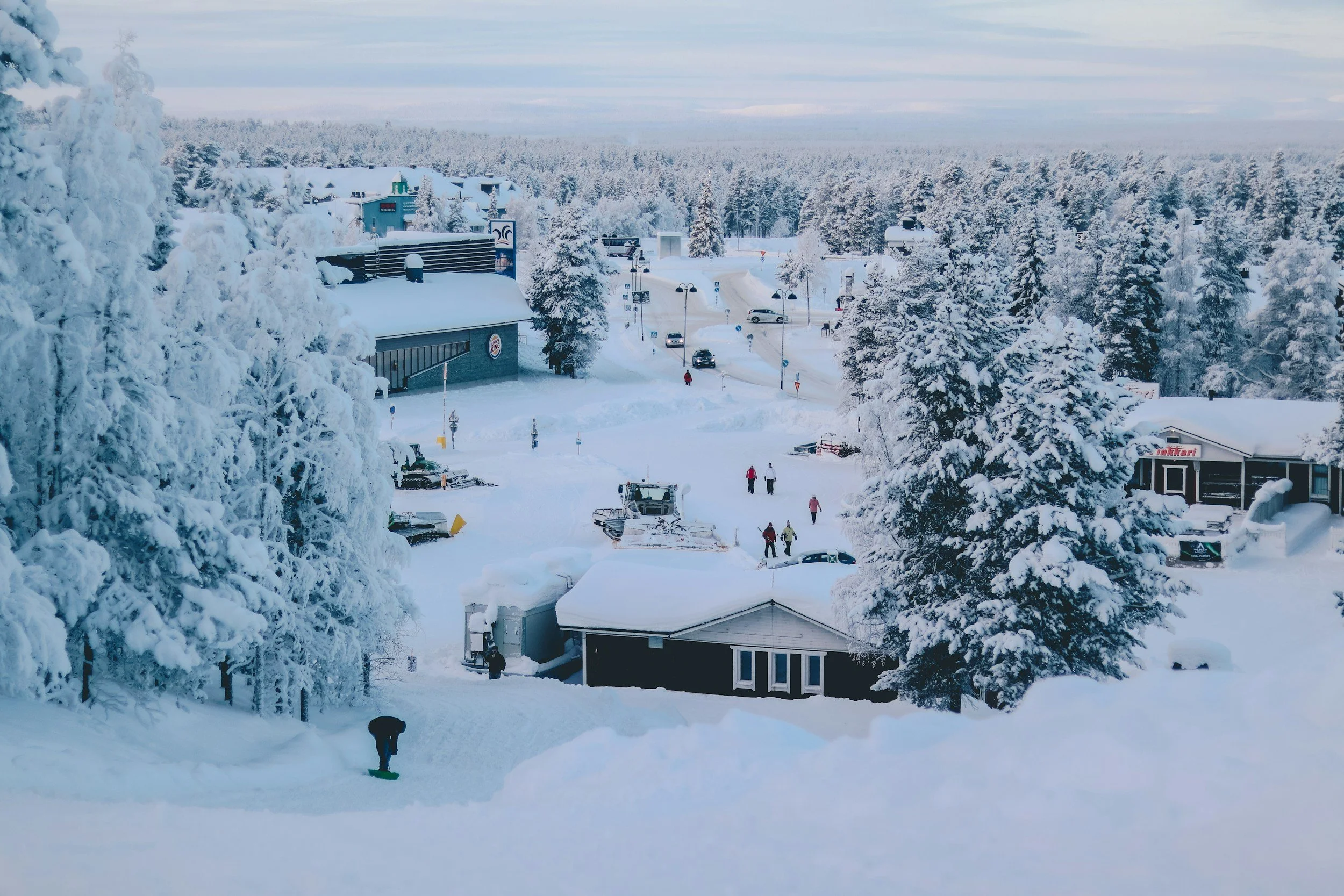
9. Finnish Lapland — Northern Lights & Arctic Adventures
If your ideal winter holiday involves snow-covered forests, frozen lakes, and the possibility of seeing the Northern Lights, Finnish Lapland deserves a place on your list. This northern region offers a completely different kind of escape from the traditional winter sun holiday, combining Arctic landscapes with cosy lodges, outdoor adventures, and distinctive accommodation.
Rovaniemi is the best-known gateway, located close to the Arctic Circle. Visit Santa Claus Village, where visitors can cross the Arctic Circle, explore festive shops, and enjoy seasonal activities. While Santa is a particular attraction for families, the surrounding region offers plenty for adults too, including forest excursions, winter photography, and opportunities to learn about Arctic nature and local traditions.
Husky sledding and reindeer experiences are among the most memorable activities. Choose responsible operators that care for their animals and explain the traditions behind their work. Snowshoeing, cross-country skiing, and snowmobiling are also available, depending on conditions and the tour provider. Even a short walk through a quiet forest can feel extraordinary when the trees are covered in snow and the landscape is almost silent.
Northern Lights excursions are a major reason travellers visit between autumn and early spring. Guides may travel away from artificial light in search of clearer skies, but the aurora is a natural phenomenon and cannot be guaranteed. Spending several nights in the region gives you more opportunities than planning a single evening around the forecast.
For a more remote experience, consider Saariselkä or the wilderness areas of northern Lapland. These destinations offer access to national parks, cross-country skiing routes, and secluded accommodation. Glass-roofed cabins and igloos are popular, although the views depend on cloud cover and aurora activity, and the novelty comes with a premium price tag.
Winter days are short, and temperatures can drop well below freezing. Good thermal layers, insulated footwear, and appropriate outerwear are essential. Many excursion operators supply specialist clothing, but check what is included before booking.
Best time to visit: December to March for snow activities; September to March for potential Northern Lights sightings, depending on conditions.
Ideal stay: 4–6 nights.
Best for: Northern Lights holidays, romantic escapes, family adventures, and Arctic nature.
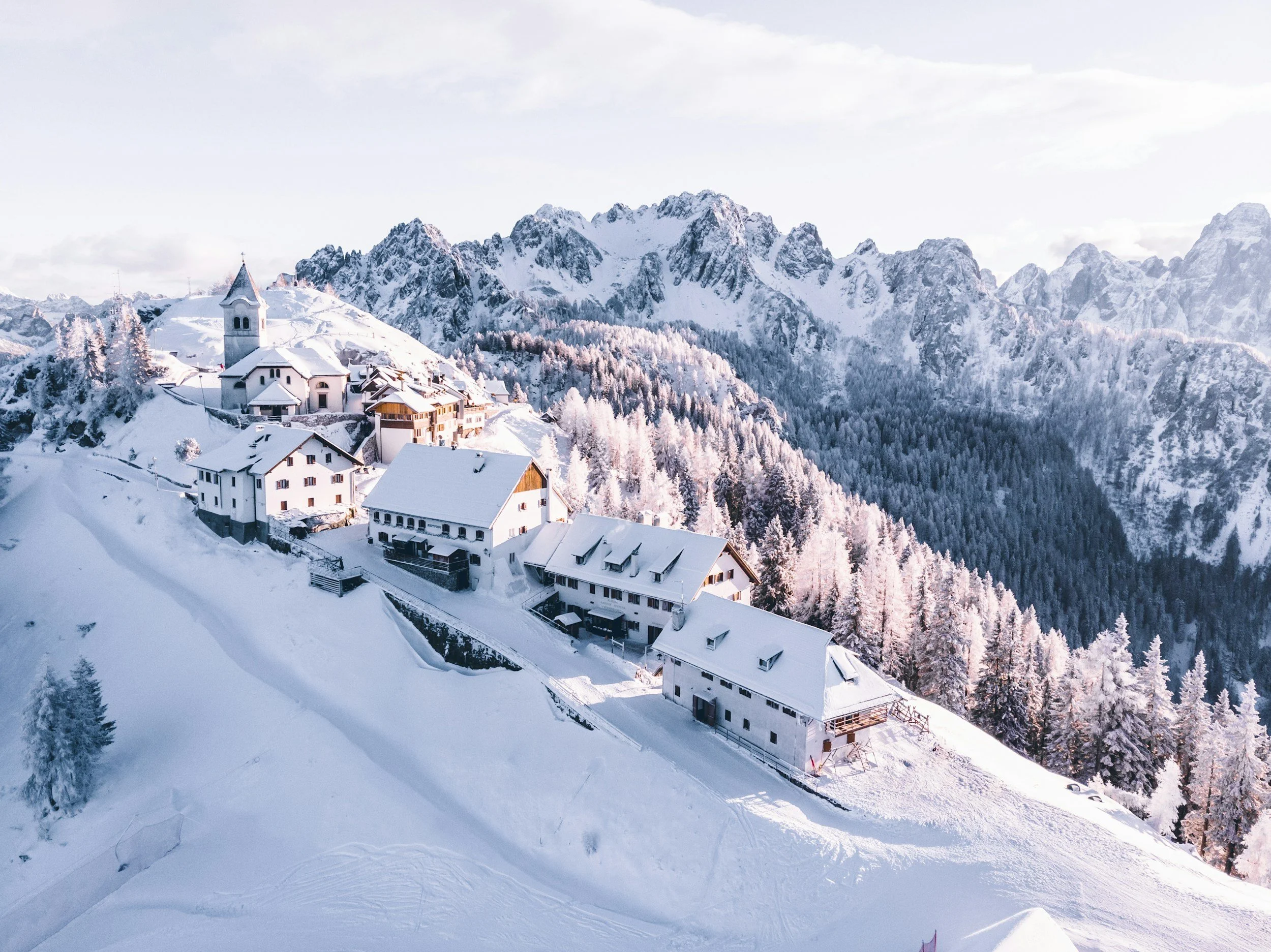
10. The Austrian & Swiss Alps — Ski Resorts, Mountain Villages & Winter Luxury
The Alps remain one of the classic choices for a winter holiday, whether you're an experienced skier, a first-time visitor to the mountains, or simply looking for a beautiful place to enjoy snow and cosy evenings. Switzerland and Austria offer an impressive combination of ski resorts, traditional villages, mountain railways, wellness hotels, and restaurants where regional dishes are as much a part of the experience as the scenery.
In Switzerland, Zermatt is one of the most iconic mountain destinations, with spectacular views of the Matterhorn and a village atmosphere that feels distinctly alpine. Skiers can access extensive mountain terrain, while non-skiers can enjoy scenic rail journeys, winter walking routes, and mountain restaurants. The car-free village adds to its charm, although the resort is generally expensive.
Verbier appeals to more experienced skiers and travellers who enjoy lively après-ski, while St. Moritz is known for luxury hotels, winter sports, and elegant alpine surroundings. For a quieter atmosphere, consider smaller mountain villages where walking, spa experiences, and scenic train journeys take centre stage.
Austria offers a slightly different character, often combining excellent skiing with a welcoming village atmosphere. Lech and Zürs are known for upscale accommodation and access to the Arlberg ski region, while Kitzbühel combines historic streets with a well-established winter sports scene. Innsbruck is another appealing base, offering city culture and mountain access in a single trip.
The Dolomites in northern Italy are worth considering if food and scenery matter as much as skiing. Resorts such as Cortina d'Ampezzo provide access to dramatic limestone peaks, mountain huts, and regional cuisine. The landscape is particularly beautiful in clear winter light, and the region offers opportunities for snowshoeing and winter walks as well as skiing.
Recent Condé Nast Traveller ski coverage and its 2026 Readers' Choice Awards continue to spotlight a broad range of mountain resorts, reflecting the appeal of everything from sophisticated alpine villages to destinations with extensive terrain.
For the best experience, choose a resort according to your skiing ability, desired atmosphere, and budget. Christmas and February school holidays are particularly popular, and accommodation close to the lifts can sell out early.
Best time to visit: December to March, depending on altitude and snow conditions.
Ideal stay: 5–7 nights.
Best for: Skiing, snowboarding, mountain scenery, wellness retreats, and winter luxury.
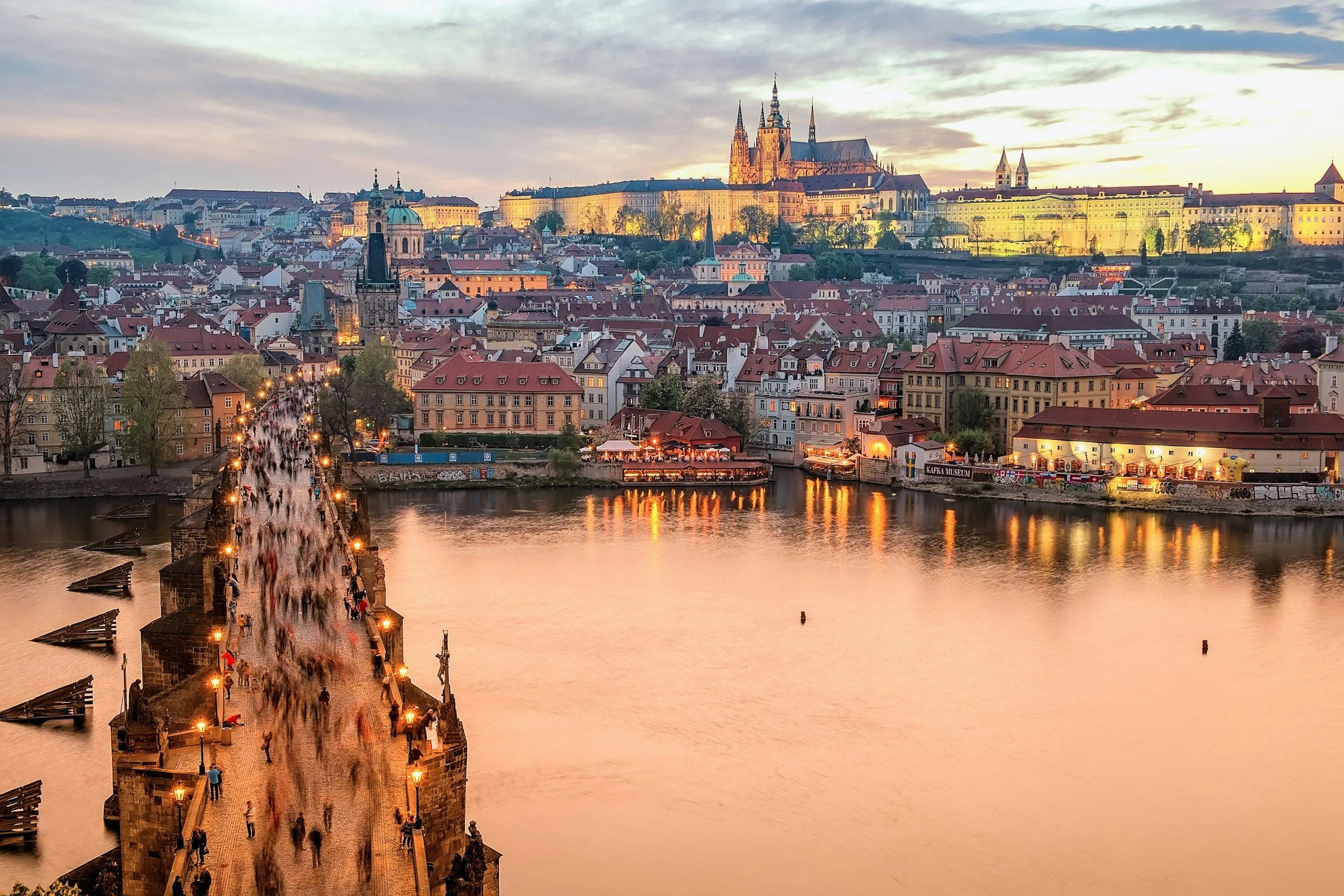
11. Vienna & Prague — Europe's Most Atmospheric Winter City Breaks
Not every winter holiday needs to involve a long flight or a beach. Europe's historic capitals offer some of their most atmospheric experiences during the colder months, when grand squares glow with festive lights, traditional cafés provide a welcome refuge from the cold, and museums and concert halls become the focus of the day.
Vienna is an excellent choice for travellers drawn to architecture, classical music, and elegant dining. The Austrian capital's imperial palaces, grand boulevards, and historic coffee houses create a distinctive winter atmosphere. Visit Schönbrunn Palace, explore the collections at the Kunsthistorisches Museum, and admire St. Stephen's Cathedral in the heart of the old town. If you enjoy classical music, consider an orchestral performance or an evening at the Vienna State Opera, with programmes varying throughout the season.
Vienna's Christmas markets are a major attraction in late November and December. Market stalls sell handmade decorations, seasonal food, and warm drinks, while illuminated streets make evening walks particularly enjoyable. Outside the festive season, the city remains rewarding for its art, architecture, food, and relaxed café culture. Try traditional pastries, sample Wiener schnitzel, and spend an afternoon in one of the historic coffee houses.
Prague offers a more compact old town, with cobbled lanes, Gothic towers, and panoramic views across the Vltava River. Explore Prague Castle, walk across Charles Bridge, and discover the historic streets around Old Town Square. In winter, the city's architecture looks especially striking in the early morning and after dark, when illuminated buildings reflect on the river.
Beyond the main attractions, Prague has a strong café culture, contemporary restaurants, and museums that provide shelter on cold days. The Jewish Quarter offers important historical sites, while the neighbourhood of Malá Strana is particularly appealing for a slower walk beneath the castle.
These cities are also easy to combine by train if you have a week or more. However, allow time to explore each properly rather than rushing between capitals. December is ideal for festive atmosphere, while January and February can be quieter, with colder temperatures and occasional snow.
Best time to visit: Late November to December for Christmas markets; January to March for winter sightseeing.
Ideal stay: 3–4 nights per city, or 6–7 nights combined.
Best for: European winter city breaks, architecture, Christmas markets, museums, and cultural experiences.
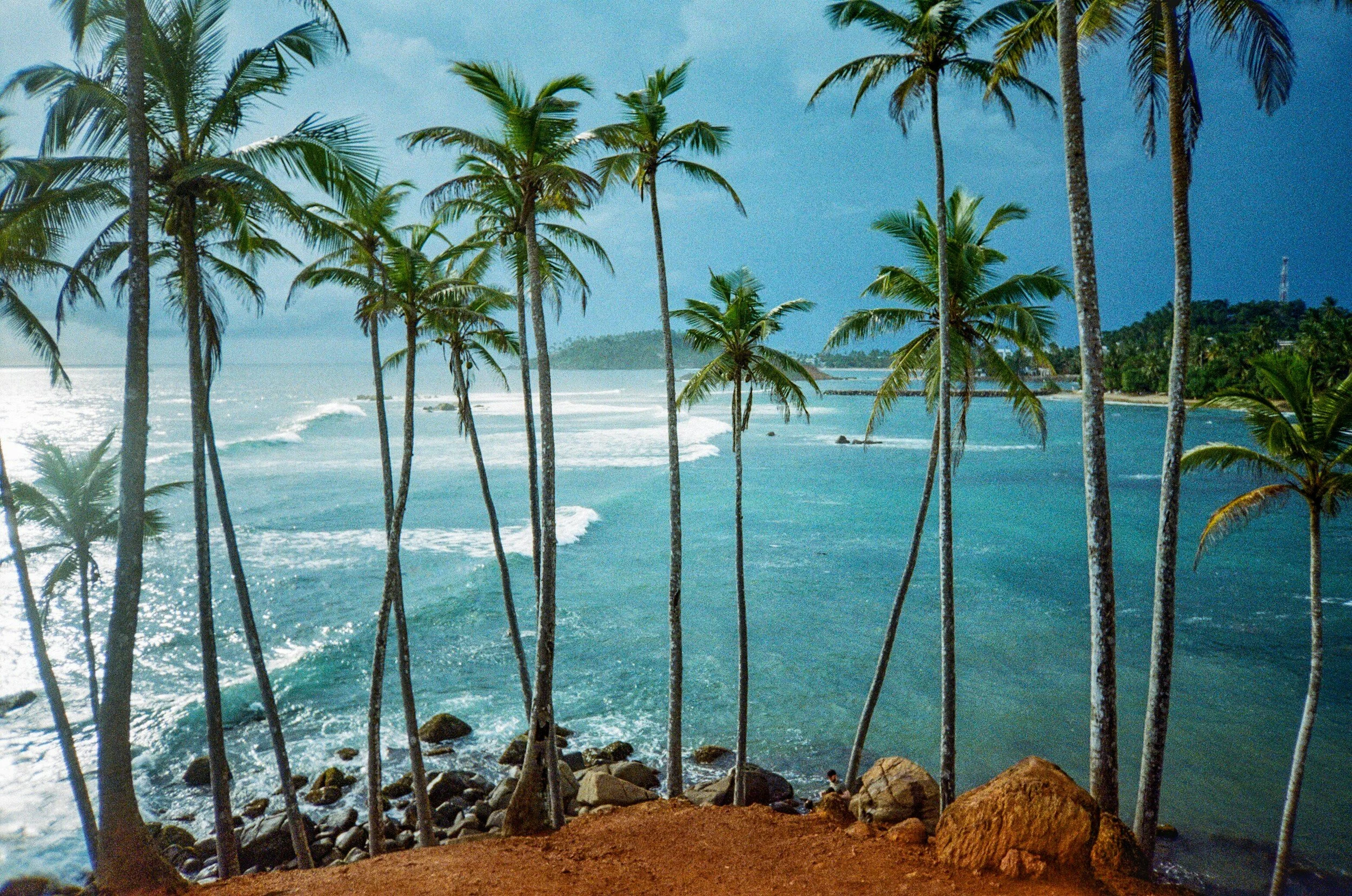
12. Sri Lanka — Wildlife Safaris, Tea Plantations & Tropical Beaches
Sri Lanka is an excellent winter travel destination for people who want to combine culture, wildlife, scenic train journeys, and beach time in one trip. The island is relatively compact, but its landscapes vary dramatically, from ancient cities and forested hills to tea plantations, national parks, and palm-fringed beaches.
The country's southern and western regions are generally at their most appealing from December through March, when conditions often favour sightseeing and coastal stays. Begin with the Cultural Triangle, where ancient monuments and archaeological sites reveal the island's long history. Sigiriya, the dramatic rock fortress rising above the surrounding forest, is one of the country's most recognisable landmarks. Nearby Dambulla is known for its cave temples, while the historic cities of Anuradhapura and Polonnaruwa offer expansive archaeological sites and important Buddhist heritage.
For wildlife enthusiasts, a guided safari in a national park such as Udawalawe or Yala can provide opportunities to see elephants, crocodiles, and a variety of birdlife. Leopard sightings are possible in Yala but are never guaranteed. Choose reputable guides who respect wildlife distances and park regulations.
The hill country offers a complete change of scenery. Travel towards Kandy, visit the Temple of the Tooth, and continue into the tea-growing regions around Nuwara Eliya and Ella. The train journey through the hills is one of the country's best-known travel experiences, passing green plantations, mountain valleys, and small stations. In Ella, visitors can explore walking trails, admire Nine Arch Bridge, and enjoy views across the surrounding hills.
Finish along the coast with a stay in Galle, where a historic Dutch fort encloses narrow streets, boutique hotels, and cafés. Further along the southern shoreline, beach towns provide opportunities for surfing, swimming, and boat trips, although ocean conditions vary by location. Mirissa is known for its coastal scenery and seasonal whale-watching excursions, while quieter stretches of coastline offer a more relaxed atmosphere.
Sri Lanka is particularly rewarding when planned as a route rather than a single-resort holiday. Private transfers or a driver-guide can make it easier to combine several regions without spending too much time navigating unfamiliar roads.
Best time to visit: December to March for many southern and western destinations; the east coast has a different seasonal pattern.
Ideal stay: 10–14 days.
Best for: Wildlife, culture, tea-country scenery, beaches, and multi-stop winter holidays.
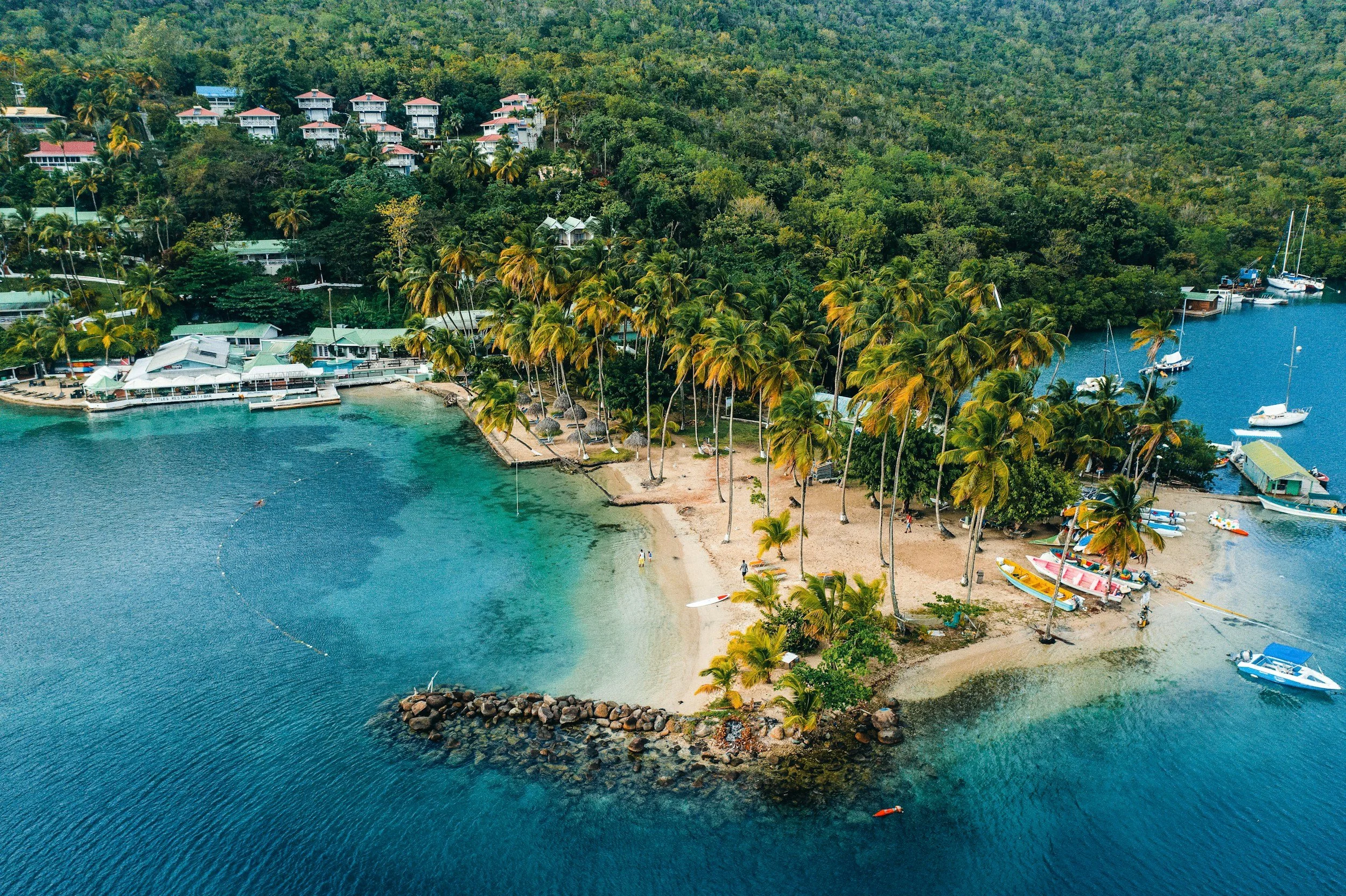
13. The Caribbean — Turquoise Water, Island Hopping & Beachfront Escapes
For travellers who want classic tropical sunshine, the Caribbean remains one of the strongest choices for a winter escape. Many islands enter their drier, more popular travel season from December, offering warm temperatures, beautiful beaches, sailing, snorkelling, and a range of accommodation from relaxed guesthouses to exceptional luxury resorts.
The best island depends on the experience you're looking for. Saint Lucia combines sandy beaches with the dramatic Pitons, rainforest trails, waterfalls, and volcanic landscapes. Visitors can spend mornings on the water, explore botanical gardens, and enjoy views across the island's mountainous interior. It is particularly appealing to couples who want a mixture of relaxation and outdoor exploration.
Turks and Caicos is known for the clear water and pale sand of Grace Bay, along with excellent opportunities for snorkelling, diving, and boat excursions. Its appeal lies in its beach-focused atmosphere, making it a strong choice for families and travellers seeking a straightforward luxury escape.
Saint Barthélemy, often called St. Barts, offers a more fashion-conscious and exclusive atmosphere. Gustavia's harbour, stylish boutiques, French-Caribbean restaurants, and beautiful coves make it popular with travellers looking for sophisticated island living. The island is relatively small, so it suits a holiday built around beach hopping, dining, and time on the water rather than a long list of sightseeing attractions.
Other islands worth considering include Barbados, known for its beaches, food, and lively local culture, and Antigua, with its many bays and sailing opportunities. The Bahamas can also work well for a winter escape, particularly for travellers who want to combine Nassau with quieter island stays.
Winter is peak season across much of the Caribbean, particularly over Christmas, New Year, and February. Accommodation prices can rise significantly, so booking early is important if you want a particular beachfront property or villa. The Atlantic hurricane season officially runs from June through November, although tropical weather can never be predicted with complete certainty.
Best time to visit: December to April for many islands, with local weather variations.
Ideal stay: 5–10 nights.
Best for: Beach holidays, luxury resorts, sailing, honeymoons, and tropical family escapes.
14. Patagonia & New Zealand — Summer Adventures in the Southern Hemisphere
One of the most interesting ways to approach winter travel is to remember that the Southern Hemisphere is entering summer. December through February brings longer days and generally better conditions for many outdoor activities in Patagonia and New Zealand, making both destinations compelling choices for travellers who want to exchange cold northern weather for dramatic landscapes and active exploration.
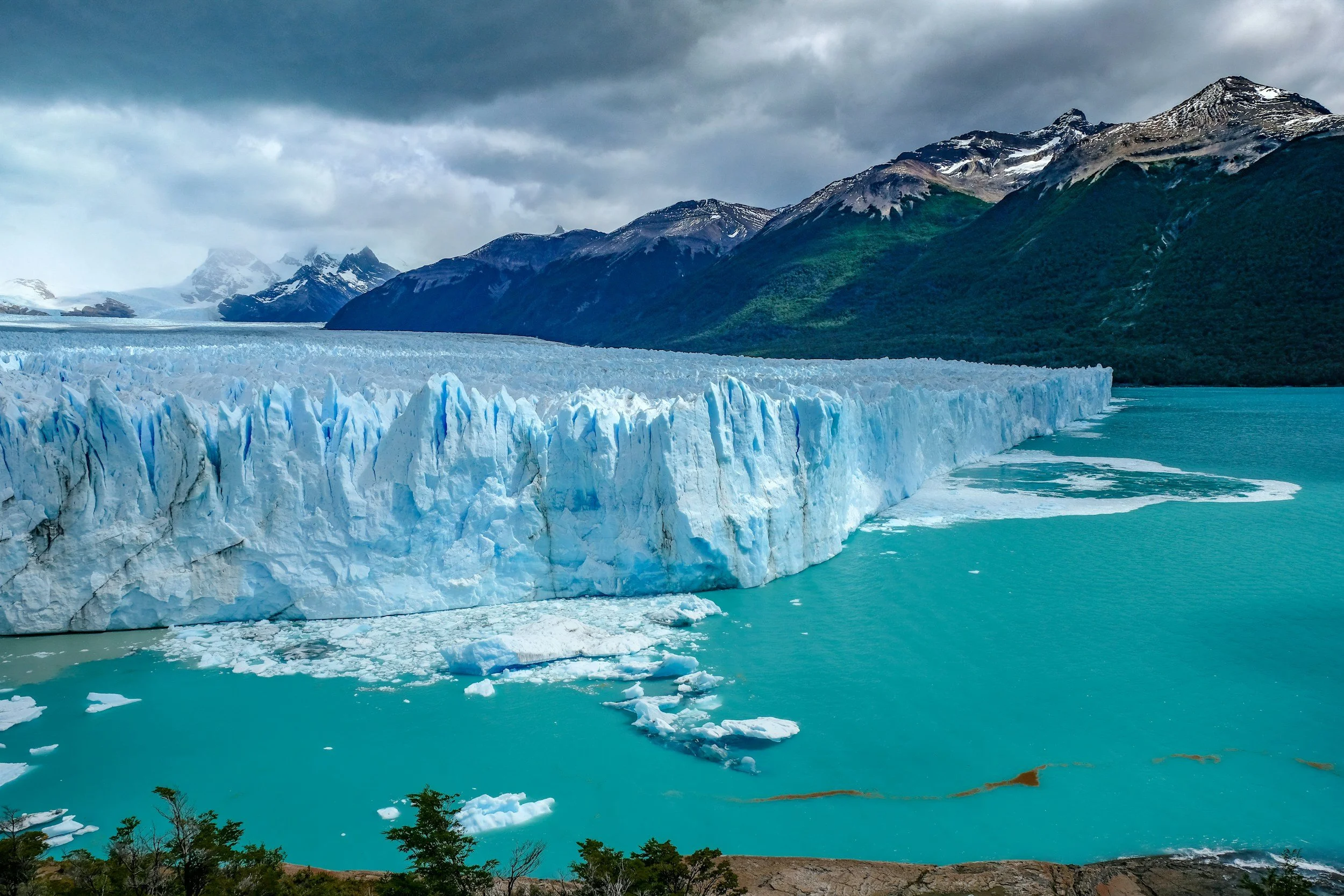
Patagonia, shared by Argentina and Chile, is a destination for people who love wilderness, hiking, photography, and extraordinary scenery. In Argentina, El Calafate is the gateway to Perito Moreno Glacier, where visitors can admire immense walls of ice and, on suitable excursions, explore the surrounding landscape. Further north, El Chaltén provides access to spectacular mountain trails, including routes with views of Mount Fitz Roy.
On the Chilean side, Torres del Paine National Park is known for its jagged granite peaks, glacial lakes, and wide-open landscapes. Travellers can choose day hikes, guided wildlife excursions, or multi-day trekking routes, depending on experience and fitness. Guanacos, condors, and other wildlife may be spotted along the way. Patagonia's weather is famously changeable, however, and summer still brings strong winds and occasional cold conditions. Good clothing, flexible plans, and advance accommodation bookings are essential.
New Zealand offers another exceptional summer adventure. On the South Island, explore Queenstown for mountain scenery and outdoor activities, travel to Wānaka for lake views and hiking, and visit Fiordland National Park for the extraordinary landscapes of Milford Sound. Scenic drives, boat cruises, walking trails, and opportunities for kayaking make this part of the country particularly rewarding.
The North Island adds a different range of experiences. Auckland offers food, harbour views, and access to nearby islands, while Rotorua is known for geothermal landscapes and Māori cultural experiences. The Coromandel Peninsula and Bay of Islands provide coastal scenery, beaches, and boat trips, although swimming conditions depend on the location and weather.
Both destinations reward travellers who have time. Patagonia involves long distances and limited transport in some areas, while New Zealand's most scenic regions are best explored at a relaxed pace. December and January are busy holiday months in New Zealand, so rental cars, popular accommodation, and major excursions should be arranged well in advance.
Best time to visit: December to February for summer adventures in much of Patagonia and New Zealand.
Ideal stay: 10–14 days for one country; 3 weeks or longer for a more extensive journey.
Best for: Hiking, dramatic scenery, wildlife, road trips, and active holidays.
How to Choose the Best Winter Destination for Your Travel Style
The best winter holiday is not necessarily the destination with the highest temperatures or the most famous hotels. It is the one that matches your preferred pace, budget, interests, and available travel time.
If you want reliable opportunities for warm-weather sightseeing, consider Thailand, Costa Rica, Sri Lanka, or Cape Town. For a classic luxury beach escape, the Maldives and Caribbean offer a different style of tropical holiday, with everything from active watersports to private villas and secluded beaches.
Travellers who prefer culture and architecture can look towards Japan, Morocco, Vienna, and Prague. For a snow-focused holiday, Finnish Lapland and the Alps offer contrasting experiences: one centred on Arctic wilderness and Northern Lights excursions, the other on skiing, mountain villages, and alpine dining. If you would rather make the most of summer in the Southern Hemisphere, Patagonia and New Zealand offer unforgettable opportunities for outdoor exploration.
Your travel dates matter just as much as your destination. Christmas and New Year bring high demand to many tropical resorts and ski areas, while January after the holiday period can offer more flexibility in some destinations. February is popular for school breaks and romantic escapes, so availability can tighten around key dates. Always check regional weather, seasonal closures, and local events before finalising your plans.
Plan Your Winter 2027 Escape with a Custom Trip
The best winter holidays often combine more than one experience. You might pair Bangkok with a private island stay in Thailand, combine Cape Town with the Cape Winelands, or explore Morocco's historic cities before spending a night beneath the Sahara's desert sky. A well-planned journey allows you to experience the highlights without wasting precious holiday time on complicated transfers or poorly timed connections.
At Discovery Escapes, we believe travel should be shaped around the places you want to discover and the way you want to experience them. Our custom travel packages and tailor-made holidays can bring together carefully selected accommodation, private guides, cultural experiences, scenic journeys, and time to relax, all arranged around your interests and travel dates.
Whether you are planning a luxury winter sun holiday, a family adventure, a romantic escape, or a multi-country journey, start planning your winter 2027 travel experience early to secure the destinations, accommodation, and experiences that matter most to you.
Your next unforgettable journey could be a tropical island, a snowy mountain village, or a place you have never considered before. The world is full of possibilities — and winter is a wonderful time to explore them.