Where to Go With a Family on Spring Break
Spring break has evolved into a more intentional style of travel where families look for destinations that combine ease of access, engaging activities, and meaningful shared experiences. The most sought-after locations today offer a balance of cultural depth, natural beauty, and flexible itineraries that work for both adults and children.
From iconic European cities to tropical escapes and dynamic urban centers, the following destinations stand out for their ability to deliver memorable, well-rounded family trips with a variety of activities, day trips, and pacing options.

🇫🇷 Paris — Culture, Landmarks, and Family-Friendly Exploration
Paris remains one of the most complete family destinations in Europe, offering a combination of world-famous landmarks, open public spaces, and easily navigable neighborhoods. The city is compact, walkable, and supported by an efficient metro system, making it straightforward to explore without long transfers or complex logistics.
What to do and see in Paris with a family
A typical family itinerary in Paris begins with the city’s most recognizable landmark, the Eiffel Tower. Visiting early in the day helps avoid crowds, and ascending the tower provides panoramic views that set the tone for the trip. Nearby, Champ de Mars offers open green space where children can relax and families can pause between activities.
The Louvre Museum can be approached strategically by focusing on key highlights rather than attempting to cover its full scale. Popular works such as the Mona Lisa and Venus de Milo are often the main draws, and the museum’s layout allows for shorter, curated visits that remain engaging.
The Seine River is central to the Paris experience, and a boat cruise offers a relaxed way to view many of the city’s landmarks in a single outing. Along the river, families can observe historic bridges, architecture, and street life without the need for extensive walking.
Neighborhood exploration adds another dimension to the trip. Areas such as Le Marais offer boutique shops, cafés, and pedestrian-friendly streets, while Montmartre provides a more artistic atmosphere with elevated views from the Sacré-Cœur Basilica.
Parks play an important role in family travel in Paris. Jardin du Luxembourg includes playgrounds, puppet theaters, and shaded seating areas, making it a natural stop during the day. Jardin des Tuileries, located between the Louvre and Place de la Concorde, also offers open space and seasonal attractions.
Day trips from Paris
Versailles is the most common day trip, known for its expansive palace interiors and extensive gardens that can be explored by foot or bicycle. Disneyland Paris provides a contrasting experience, offering themed entertainment, rides, and shows within a short train ride from the city center.
Costs
Flights: $500–$1,200 (from major US airports)
Daily: $150–$350 per person

🇲🇽 Tulum — Beachfront Living, Cenotes, and Ruins
Tulum offers a more relaxed, nature-focused alternative to traditional resort destinations. The layout of the area is divided between the beach zone and the town, with many accommodations designed to blend into the surrounding environment.
What to do and see in Tulum with a family
The Tulum Ruins are one of the most accessible archaeological sites in the region, located on a coastal cliff overlooking the Caribbean Sea. The site includes well-preserved structures and open walking paths, allowing visitors to explore at a comfortable pace while enjoying views of the coastline.
Cenotes are a defining feature of the Yucatán Peninsula. These natural sinkholes contain clear, freshwater pools surrounded by limestone formations and vegetation. Many cenotes are equipped with entry platforms, shallow areas, and guided access, making them suitable for families seeking a unique swimming experience.
Beach areas in Tulum are known for their soft sand and turquoise water, with a variety of beach clubs and resorts offering day access, food service, and lounge areas. These locations typically provide a relaxed setting where families can spend extended time without needing to move frequently throughout the day.
Tulum town offers a more local atmosphere with restaurants, small shops, and casual dining options. This area is often used for meals or short visits, providing a contrast to the beachfront environment.
Day trips from Tulum
Chichen Itza is one of the most significant Mayan archaeological sites in the region, known for its central pyramid structure and historical importance. Playa del Carmen provides additional dining and shopping options along a more developed coastal strip.
Costs:
Flights: $300–$400
Daily: $100–$250 per person

🇮🇹 Rome — Historic Landmarks and Walkable Exploration
Rome is a destination where history is integrated into everyday surroundings, creating an environment where families can move between ancient sites, public squares, and dining areas without strict itineraries.
What to do and see in Rome with a family
The Colosseum is one of the most visited landmarks in the city and offers guided and self-guided tours that explain its historical use and structure. Visiting the nearby Roman Forum adds context, as it contains the remains of temples, government buildings, and public spaces from ancient Rome.
Vatican City is a central stop, with the Vatican Museums housing extensive art collections and the Sistine Chapel featuring Michelangelo’s ceiling. St. Peter’s Basilica is also accessible and known for its architectural scale and interior design.
Rome’s piazzas are essential to the overall experience. Piazza Navona, for example, includes fountains, open seating areas, and surrounding cafés. These spaces provide natural breaks between sightseeing activities and allow for a slower pace throughout the day.
Walking through Rome reveals a continuous mix of historical and modern elements. The Trevi Fountain, Spanish Steps, and Pantheon are all within relatively close proximity, making it possible to explore multiple landmarks within a single route.
Gelaterias are widely available across the city, and sampling gelato is often incorporated into daily exploration as a simple and consistent activity.
Day trips from Rome
Florence is one of the most accessible and rewarding day trips from Rome, reached in just under two hours by high-speed train. The city offers a distinctly different atmosphere — more compact, refined, and centered around Renaissance art and architecture. Families can explore the historic center on foot, visit landmarks such as the Duomo, and enjoy a slower, more contained pace compared to Rome’s scale.
Naples introduces a more dynamic and energetic contrast, known for its coastal setting, historic streets, and culinary identity. It often serves as a gateway to nearby historical sites and can be combined with other destinations in a single extended day trip.
Pompeii provides one of the most immersive historical experiences in Italy. The preserved ruins allow visitors to walk through streets, homes, and public spaces that date back to 79 AD, offering a tangible understanding of daily life in ancient Rome. The site is expansive but structured, with guided tours helping families navigate and contextualize the experience.
For a more scenic and coastal extension, the Amalfi Coast offers dramatic cliffs, winding roads, and picturesque seaside towns. While typically better suited to a longer excursion or overnight stay, it can be experienced as part of a guided day trip that highlights key viewpoints and villages.
Nearby, the island of Capri presents a more relaxed and visually striking setting. Known for its clear waters, rock formations, and upscale atmosphere, Capri is often explored through a combination of boat tours, short hikes, and time spent in its main town. The island provides a contrast to Rome’s historical density, shifting the focus toward landscape and atmosphere.
Costs
Flights: $500–$1,200
Daily: $140–$300 per person

🇧🇷 Rio de Janeiro — Scenic Views and Outdoor Experiences
Rio de Janeiro combines urban energy with natural landscapes, creating a setting defined by mountains, beaches, and iconic viewpoints.
What to do and see in Rio with a family
Christ the Redeemer is one of the most recognizable landmarks in the world and is typically accessed via train or guided transport to Corcovado Mountain. The viewpoint provides expansive views across the city and coastline.
Sugarloaf Mountain is another major attraction, reached via cable car. The ascent includes two stages and offers panoramic perspectives of Guanabara Bay and surrounding areas.
Beaches such as Copacabana and Ipanema are central to daily life in Rio. These areas include wide promenades, food vendors, and open space where families can spend time along the water.
The city also features neighborhoods with distinct atmospheres, including quieter residential areas and more active commercial zones. Walking along the coastline connects multiple points of interest while maintaining proximity to the ocean.
Day trips from Rio
Beyond the city’s beaches and iconic viewpoints, Rio de Janeiro opens into a wider landscape of rainforest, coastline, and some of South America’s most extraordinary natural landmarks. Extending beyond the city — even for a day or short overnight — adds a completely different dimension to the trip.
Tijuca National Park is the most immediate escape, located within the city itself. As one of the largest urban rainforests in the world, it offers a dense network of trails, waterfalls, and scenic viewpoints. Guided hikes lead through lush vegetation to hidden cascades, while stops such as Vista Chinesa provide elevated views over Rio’s coastline. The environment feels immersive yet accessible, making it a practical half-day or full-day outing without leaving the city.
Along the coast, Búzios offers a more relaxed, small-town alternative to Rio’s intensity. Known for its calm beaches, boutique atmosphere, and walkable center, Búzios is well-suited for families looking to spend a slower day by the water. Boat trips around the peninsula allow access to quieter beaches and coves, while the town itself provides restaurants and open-air promenades.
For a more tranquil, nature-focused setting, Ilha Grande presents a car-free island environment defined by jungle trails and clear, protected waters. Accessed by boat, the island is known for hiking routes that lead to secluded beaches, as well as snorkeling and boat excursions along the coastline. The pace here is noticeably slower, offering a contrast to Rio’s urban energy.
Further inland, Petrópolis introduces a completely different landscape and atmosphere. Located in the mountains, it is known for its historical architecture, cooler climate, and connection to Brazil’s imperial past. The city’s streets, museums, and gardens create a more structured, cultural day trip option.
For families looking to extend their trip beyond Rio, Iguazu Falls is one of the most significant natural attractions in the world. While not a traditional day trip due to distance, it is often included as a short extension via a domestic flight. The falls span a vast area of rainforest, with walkways and viewing platforms that bring visitors close to the cascading water. The scale and sound create a highly immersive experience, often described as one of the most impactful natural sites globally.
Costs
Flights: $600–$1,200
Daily: $100–$220 per person

🇨🇷 Costa Rica — Nature, Wildlife, and Outdoor Activities
Costa Rica is structured around natural environments, with regions that emphasize rainforest, volcanoes, and coastal ecosystems.
What to do and see in Costa Rica with a family
Arenal Volcano is one of the most prominent regions, surrounded by hot springs, hanging bridges, and guided hiking trails. The area is known for organized excursions that include wildlife observation and outdoor activities.
Manuel Antonio National Park combines jungle and beach environments within a protected area. The park includes marked trails, guided tours, and opportunities to observe animals such as monkeys, sloths, and tropical birds.
Zip-lining is a common activity in Costa Rica, with canopy tours designed to move through forest environments at varying heights. Many operators offer family-friendly versions with safety systems and guided instruction.
Boat tours, waterfall visits, and nature walks are widely available across regions, allowing families to experience different ecosystems within a single trip.
Day trips in Costa Rica
While San José is often used as an arrival point, its central location makes it an ideal base for exploring a wide range of landscapes within just a few hours. From volcanoes and cloud forests to coffee plantations and waterfalls, the surrounding regions offer some of the most diverse day trips in Costa Rica.
Poás Volcano National Park is one of the most accessible volcanic sites in the country. Located less than two hours from San José, it features one of the world’s largest active craters, often filled with a striking turquoise lake. The park is well-organized with short walking paths and viewing platforms, making it suitable for families while still delivering a dramatic natural setting.
Nearby, La Paz Waterfall Gardens offers a more curated experience that combines multiple waterfalls, walking trails, and wildlife exhibits. The park is designed for easy navigation, with clearly marked paths leading to several large waterfalls surrounded by dense vegetation. It’s a convenient option for experiencing Costa Rica’s biodiversity without long travel times.
For a deeper immersion into forest landscapes, Monteverde Cloud Forest Reserve provides a cooler, mist-covered environment known for its biodiversity. While it requires a longer journey from San José, it is often done as a full-day or overnight trip. Elevated hanging bridges and guided walks allow visitors to explore the canopy level, offering a different perspective compared to lowland rainforests.
Coffee culture is an essential part of Costa Rica’s identity, and visits to Doka Estate Coffee Tour or Hacienda Alsaciaprovide insight into the production process. These tours typically include guided walks through plantations, explanations of harvesting and roasting, and tastings in scenic settings overlooking the Central Valley.
For a combination of history and nature, Cartago and the nearby Irazú Volcano offer a contrasting landscape of rugged terrain and panoramic viewpoints. Irazú’s summit provides views that, on clear days, extend across both the Caribbean and Pacific sides of the country — a rare geographical perspective.
Those seeking a more relaxed setting can head toward Jacó on the Pacific coast. Within a few hours’ drive, the environment shifts from urban highlands to coastal beaches, where families can spend the day swimming, surfing, or simply enjoying the ocean.
Costs
Flights: ~$239–$500
Daily: $80–$200 per person

🇬🇧 London — Museums, Landmarks, and Easy Navigation
London offers a structured yet flexible environment, with clear transportation systems and a wide range of family-friendly attractions.
What to do and see in London with a family
Major landmarks include the Tower of London, where historical exhibits and crown jewels are displayed, and Buckingham Palace, known for ceremonial events and its surrounding grounds.
The London Eye provides elevated views of the city and is located along the River Thames, close to several other attractions. River cruises are also available, offering an alternative perspective of the city’s layout.
Museums such as the Natural History Museum and the Science Museum are notable for interactive exhibits and accessible layouts. Many of these institutions offer free admission, making them practical options for families.
Neighborhoods such as Covent Garden and Soho provide dining, shopping, and entertainment within compact areas that are easy to explore on foot.
Day trips from London
While London offers an extensive mix of landmarks, museums, and neighborhoods, its position within England makes it an ideal base for exploring destinations that feel distinctly different in atmosphere, pace, and landscape — all within a short journey.
Windsor is one of the most seamless day trips, located less than an hour from central London. The town is centered around Windsor Castle, one of the oldest and largest inhabited castles in the world. Visiting the castle includes access to state apartments, historic interiors, and the surrounding grounds. Beyond the castle, Windsor offers riverside walks along the Thames, open green spaces, and a compact town center that is easy to explore on foot, making it particularly suitable for families.
Further northwest, Oxford introduces a quieter, academic setting defined by historic colleges, stone architecture, and walkable streets. The university buildings, libraries, and courtyards create a cohesive environment that feels both structured and atmospheric. Walking tours or short river punting experiences add variety without requiring extensive planning, while the city’s scale allows for a relaxed, contained visit.
Cambridge offers a similar academic backdrop with a slightly more open and scenic layout. The River Cam runs through the city, and punting along the water provides views of college buildings and green spaces from a different perspective. The overall pace is slower, with wide lawns and tree-lined paths creating a more relaxed environment compared to central London.
For a more historic and compact experience, Bath stands out for its uniform Georgian architecture and Roman heritage. The Roman Baths offer a structured cultural visit, while the surrounding streets, cafés, and shops create an easily navigable setting. Bath’s visual consistency and walkability make it one of the most aesthetically distinctive day trips from London.
Along the southern coast, Brighton provides a clear contrast to London’s urban density. Known for its seaside location, Brighton features a long promenade, pebble beaches, and attractions such as the Brighton Pier. The town also includes independent shops and casual dining areas, creating a more relaxed, coastal atmosphere suitable for a slower-paced day.
For families interested in history with a more dramatic landscape, Stonehenge can be visited as part of a guided or combined day trip, often paired with nearby towns or countryside stops. The site’s scale and setting within open land create a different type of experience compared to city-based attractions.
Costs
Flights: $400–$900
Daily: $180–$350 per person

🇺🇸 NYC — Iconic Sights and Urban Variety
New York City provides a dense, activity-rich environment with a wide range of attractions across its boroughs.
What to do and see in NYC with a family
Central Park is one of the primary highlights, offering open green space, playgrounds, walking paths, and seasonal activities. It serves as a central point for relaxation within the city.
Landmarks such as the Statue of Liberty and Ellis Island are accessible via ferry and provide historical context along with waterfront views.
Times Square is known for its visual energy and entertainment options, while Broadway offers theatrical performances suitable for a range of age groups.
Neighborhoods such as Midtown, SoHo, and the Upper West Side each provide distinct atmospheres, with restaurants, shops, and cultural sites distributed throughout.
Day trips from NYC
While New York City offers an unmatched density of landmarks, neighborhoods, and experiences, its surrounding region opens into a completely different rhythm — one defined by coastal towns, historic cities, and quieter landscapes that feel far removed from the intensity of Manhattan. Within just a few hours, the environment shifts from skyscrapers to waterfronts, countryside, and colonial-era streets.
The Hamptons provide one of the most well-known escapes from the city. Known for wide sandy beaches, low-rise architecture, and a slower pace, the area is ideal for a relaxed day focused on the coastline. Villages such as East Hampton and Southampton offer boutique shopping, cafés, and open stretches of beach that contrast sharply with the density of NYC. During spring, the atmosphere is quieter, making it more accessible for families.
Further along the Hudson River, Hudson Valley offers a landscape defined by rolling hills, small towns, and scenic viewpoints. The region is particularly well-suited for a nature-focused day trip, with opportunities for hiking, visiting farms, and exploring local markets. Towns such as Beacon combine contemporary art spaces with walkable streets, while riverside views create a calm, open setting.
Philadelphia is one of the most accessible historical day trips from NYC, reachable by train in under two hours. The city provides a structured experience centered around American history, including sites such as Independence Hall and the Liberty Bell. The layout is compact and walkable, allowing families to move easily between landmarks while maintaining a clear narrative throughout the day.
Similarly, Washington, D.C. offers a more expansive historical and cultural experience. Although slightly further, it is still manageable as a long day trip or short overnight stay. The National Mall connects major landmarks such as the Lincoln Memorial and the Smithsonian museums, many of which are free to enter. The wide, open layout creates a different pace compared to New York’s vertical density.
For a coastal alternative closer to the city, Coney Island provides a classic seaside setting with a boardwalk, amusement rides, and direct beach access. It offers a more casual, nostalgic experience without requiring significant travel time, making it an easy addition to a city-based itinerary.
Princeton introduces a quieter, academic environment centered around Princeton University. The campus features historic buildings, green spaces, and walking paths, creating a calm and contained setting that contrasts with the energy of NYC.
For a more ambitious but highly rewarding excursion, Niagara Falls stands out as one of the most powerful natural attractions in North America. While typically visited as an overnight or multi-day trip due to distance, it can be accessed via short domestic flights or longer travel itineraries from New York City. The falls are divided into multiple sections, with viewing platforms and walkways that bring visitors close to the cascading water. Boat tours such as the Maid of the Mist provide an immersive perspective, allowing families to experience the scale, sound, and movement of the falls up close. The surrounding area includes parks, viewpoints, and visitor infrastructure that make the experience accessible while maintaining its natural impact.
Costs
Flights: $150–$350
Daily: $200–$400 per person
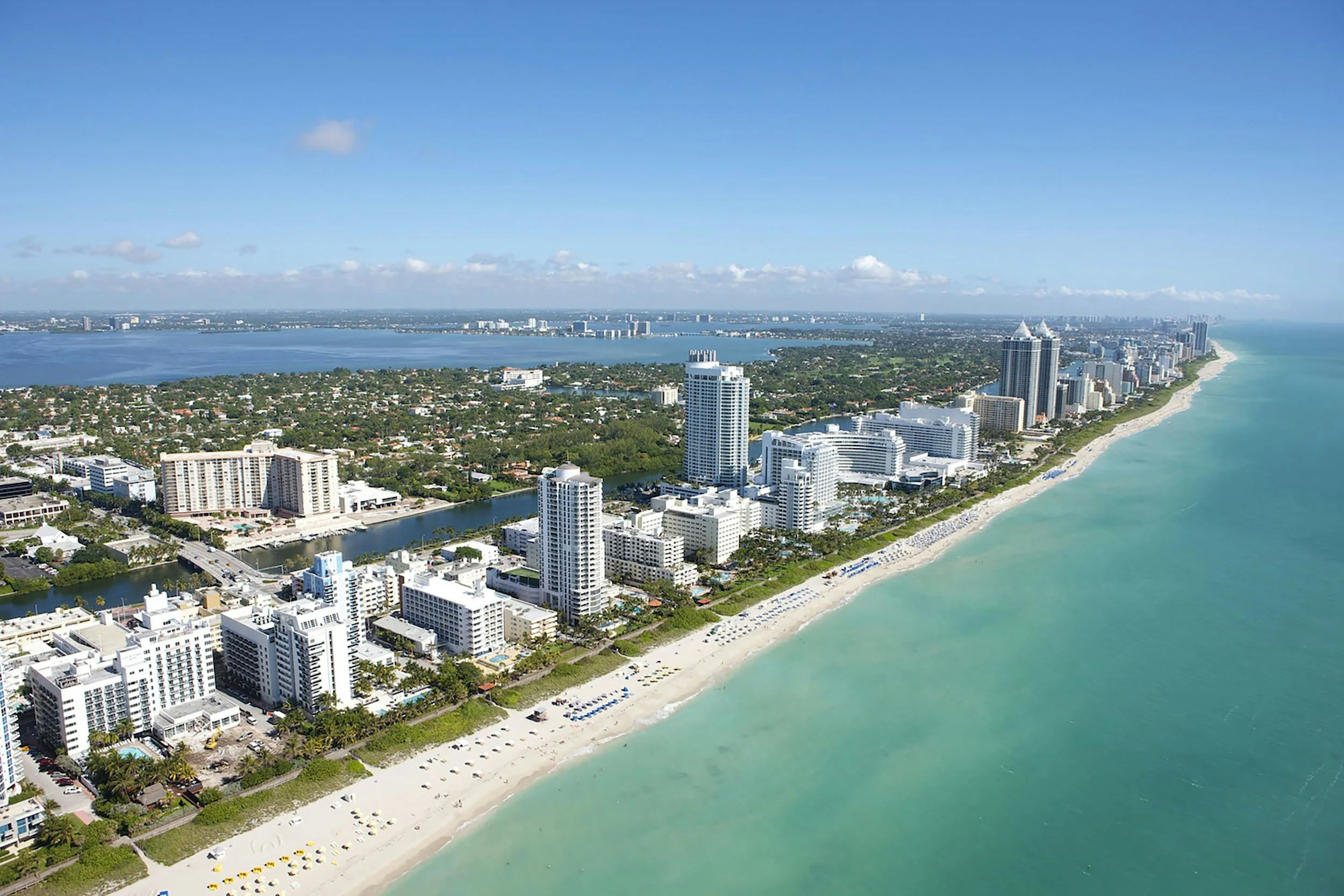
🇺🇸 Miami — Beach Access and Simple Family Travel
Miami is designed for convenience, combining warm weather, beach access, and a variety of resort-style accommodations.
What to do and see in Miami with a family
South Beach is the most well-known area, featuring wide sandy beaches, promenades, and nearby dining options. The environment allows for both relaxation and casual exploration.
Boat tours and water-based activities are widely available, offering opportunities to view the coastline and nearby islands.
The city also includes attractions such as the Miami Seaquarium and interactive museums, which provide structured activities suitable for families.
Shopping areas and outdoor districts offer additional ways to spend time between beach visits, with a mix of casual and upscale options.
Day trips from Miami
While Miami itself offers a vibrant mix of beaches, design districts, and waterfront living, the surrounding region opens into some of the most distinctive natural and coastal landscapes in the United States. Within a short drive, the environment transitions from urban shoreline to subtropical wilderness, island chains, and protected national parks, creating a diverse set of day trip options that add depth to a family itinerary.
One of the most well-known excursions is the Everglades National Park, located just outside the city. This vast wetland ecosystem is one of the largest of its kind in the world and is best experienced through guided airboat tours that move across shallow waters and marshland. These tours provide close views of wildlife such as alligators, birds, and turtles, while educational guides explain the unique ecosystem and conservation efforts. Boardwalk trails and visitor centers within the park also offer accessible walking routes that allow families to observe the environment from a safe, elevated perspective.
To the southwest, the Florida Keys offer a scenic coastal drive that gradually shifts from mainland Florida into a series of islands connected by bridges and causeways. The journey itself is part of the experience, with ocean views on both sides of the road. Destinations such as Key Largo and Key West provide opportunities for snorkeling, boating, and waterfront dining, along with a more relaxed island atmosphere that contrasts with Miami’s urban energy. The pace slows noticeably as you move further along the chain, with each island offering its own character and points of interest.
Closer to Miami, Key Biscayne provides an easily accessible alternative for a shorter day trip. Known for its calm beaches, parks, and natural reserves, Key Biscayne is home to areas such as Crandon Park and Bill Baggs Cape Florida State Park. These locations feature walking and biking paths, picnic areas, and quieter stretches of shoreline that are well suited for families seeking a more low-key beach environment.
For those interested in a mix of outdoor activity and coastal scenery, Biscayne Bay offers opportunities for boat tours, kayaking, and island excursions. The waters around the bay include small uninhabited islands and sandbars, often included in guided trips that highlight the marine environment and views of the Miami skyline from the water.
Further north, Fort Lauderdale offers a more laid-back urban coastal setting, often described as the “Venice of America” due to its extensive canal system. The city’s waterways can be explored via boat tours, while its beaches and promenade provide a quieter alternative to Miami Beach. Dining, shopping, and waterfront areas are distributed along the coastline, making it easy to structure a relaxed half-day or full-day visit.
While Miami is known for its beaches, design districts, and coastal atmosphere, it also serves as a starting point for exploring other major Florida destinations within a few hours’ drive. One of the most popular family-oriented excursions is a trip to Walt Disney World Resort, located approximately 230 miles (around 3.5–4 hours by car) from Miami.
Walt Disney World Resort in Orlando is the largest theme park complex in the world, comprising multiple parks including Magic Kingdom, EPCOT, Disney’s Hollywood Studios, and Disney’s Animal Kingdom. Each park offers a distinct theme and range of attractions, allowing families to structure their visit across different interests and age groups.
Magic Kingdom is centered around classic Disney storytelling, featuring iconic attractions such as Cinderella Castle, themed lands like Fantasyland, and a wide selection of rides and character experiences designed for younger visitors. EPCOT combines cultural exploration with innovation, offering international pavilions, seasonal festivals, and interactive exhibits that blend education with entertainment.
Disney’s Hollywood Studios focuses on film-inspired attractions and immersive environments, with areas dedicated to popular franchises and themed rides that emphasize storytelling and technology. Disney’s Animal Kingdom integrates nature and adventure, featuring safari experiences, walking trails, and themed environments that highlight wildlife and conservation.
The drive between Miami and Orlando is straightforward via major highways, making it a feasible multi-day extension of a Miami-based trip. Many families choose to combine a stay in Miami with a short visit to Orlando, creating a contrast between coastal relaxation and a highly structured, activity-driven environment.
Costs
Flights: $100–$200
Daily: $150–$300 per person
Each destination offers a distinct style of spring break travel, from the cultural depth of Paris and Rome to the natural environments of Costa Rica and the relaxed coastal setting of Tulum. Urban destinations like New York and London provide structure and variety, while Miami and Rio deliver a balance of warmth, scenery, and accessibility.
The most suitable choice ultimately depends on the type of experience a family wants to create — whether that’s immersive cultural exploration, outdoor adventure, or a simple and enjoyable beach-focused escape.
Plan Your Custom Family Spring Break Trip
Every destination in this guide can be tailored into a custom family trip based on your preferred pace, interests, and travel style. Whether you’re planning a beach escape, a cultural city break, or a mix of both, building a custom tour itineraryallows you to balance sightseeing, relaxation, and day trips without feeling rushed.
Start by selecting your destination, comparing flights, and outlining key experiences for each day. With a clear plan, you can design a trip that fits your family’s needs and makes the most of every moment.