Where To Travel In Europe In Summer
Where to Travel
in Europe in Summer
Summer in Europe is one of the great travel experiences — long golden evenings, azure coastlines, ancient cities that come alive under a warm sky, and a calendar packed with festivals, food, and culture. But with more travelers competing for the same flights and hotel rooms each year, choosing the right destination matters more than ever.
This guide covers the best places to travel in Europe in summer 2026 — from the reliably brilliant (the Greek islands, the Amalfi Coast, Barcelona) to the destinations that editorial powerhouses like Condé Nast Traveler and Lonely Planet are flagging as the smartest places to be right now. Whether you're planning a luxury escape, a culturally rich multi-country tour, or just want to find a corner of the Mediterranean that isn't mobbed in August, we've got you covered.
Why Summer 2026 Is a Brilliant Time to Plan a European Trip
New flight routes, revamped hotels, infrastructure upgrades in emerging destinations, and a cultural calendar that's as rich as it's ever been mean that the continent is genuinely delivering some of its best experiences in years.
That said, popular destinations are also busier and more expensive than ever. France has seen package holiday prices surge by over 22%, and Greece has risen by around 7.5%. Smart planning — knowing where to go, when to book, and how to structure your trip — is the difference between a dream holiday and an expensive, overcrowded disappointment.
Here's our honest, experience-led guide to the best places to travel in Europe this summer.
01
The Greek Islands
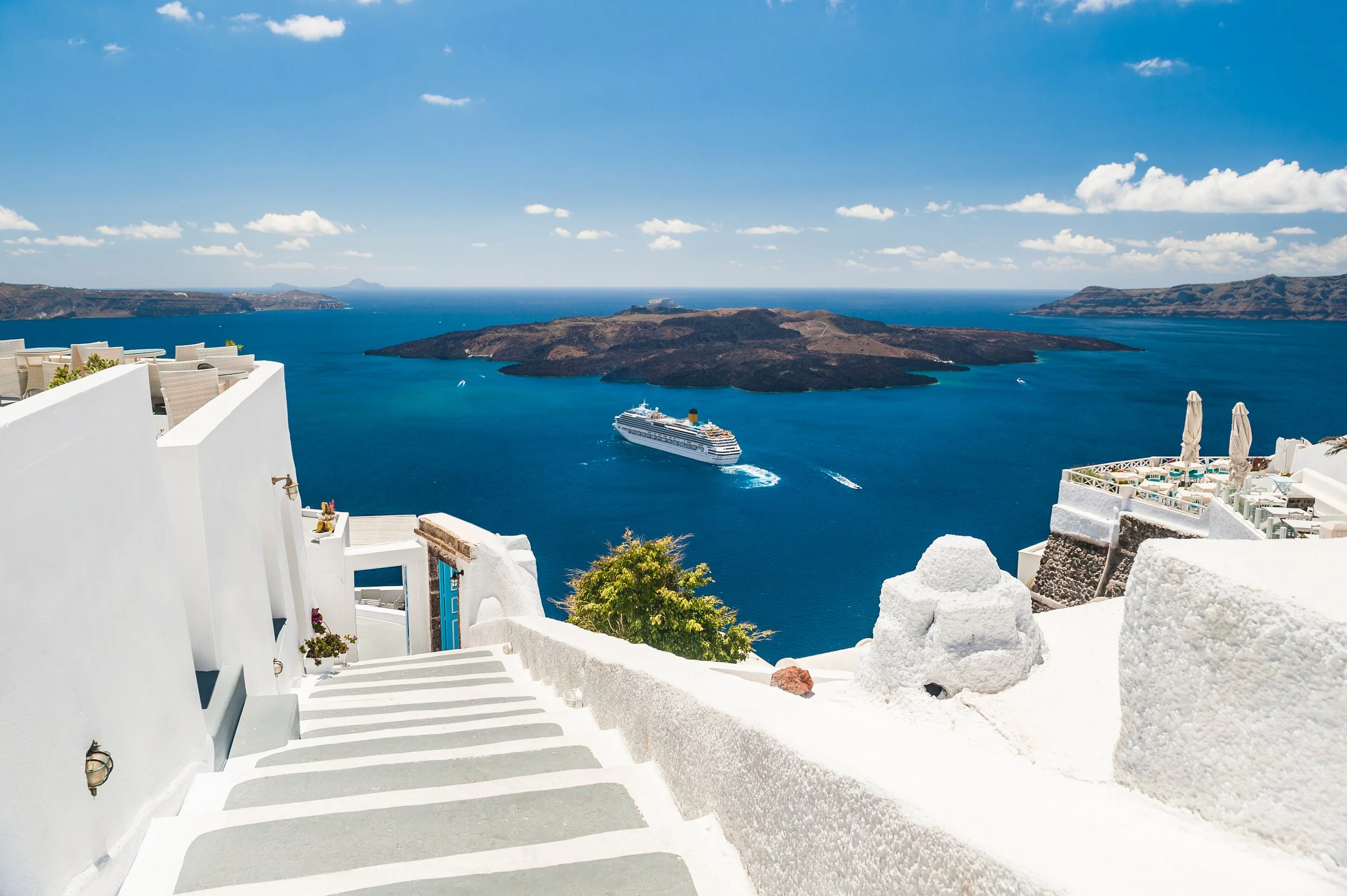
Greece · Best June–September
No destination rewards summer travel quite like the Greek islands. The combination of dramatic whitewashed architecture, crystal-clear water, extraordinary food, and ancient mythology is simply unmatched anywhere in the world. The question isn't whether to go — it's which islands to choose.
Santorini
Still the most photographed place in Europe, Santorini earns its reputation in summer. The famous caldera views from Oia at sunset, the cave hotels carved into volcanic cliffs, the extraordinary local wine (volcanic Assyrtiko is unlike anything else) — all of it delivers. Book four to five months ahead for the best cliff-side properties and go early June or late September to avoid peak August crowds.
Mykonos
For those who want glamour with their sun, Mykonos in summer is extraordinary — if you can stomach the prices. Beach clubs, designer boutiques, world-class DJs, and a restaurant scene that genuinely rivals Ibiza. Peak July and August push luxury hotel rates above €600 a night, so June is the smart play — still warm, still buzzing, notably more affordable.
Naxos — The Smart Choice in the Cyclades
Naxos is increasingly the insider pick: the largest of the Cyclades, authentically Greek, and still far less expensive than its neighbours. Four-star hotels average €125–€170 per night in July, with excellent sea views and Cycladic design. The island's own produce — cheese, citrus, Kitron liqueur — means eating and drinking well costs a fraction of what it does in Mykonos. The Portara, Naxos Town's ancient marble gateway, is one of the most romantic spots in the entire Aegean at golden hour.
Crete — Big Island Energy
Greece's largest island has it all: the Venetian harbour of Chania, the pink sand of Elafonissi, the gorge hike at Samaria, and some of the finest local food in the country. Condé Nast Traveller named Crete one of its top European food destinations for 2026, recognizing the island as a European Region of Gastronomy. It's also one of the most affordable entry points into the Greek islands, with direct flights from much of Europe and 4-star hotels from around €120 per night in early summer.
The Peloponnese — 2026's Most Talked-About Greek Destination
Condé Nast Traveler's Europe list for 2026 places significant focus on the Peloponnese — and with good reason. The peninsula is connected to Christopher Nolan's upcoming film The Odyssey, shot on location in Messinia, which has generated huge interest in the mythological landscape. Costa Navarino makes an exceptional luxury base, and the surrounding region — ancient Olympia, Nafplio, Mystras — is world-class for history lovers. Get there before the mainstream catches on.
Greece Summer Planning — Quick Facts
- Best Time Mid-June and September offer best value and fewer crowds
- Avoid August 1–20 if possible — peak prices and peak crowds
- Book 3–5 months ahead for top-tier island hotels
- Getting Around Domestic ferries connect all islands; book early for summer
- Tour Style Custom Greece itineraries can combine 2–3 islands seamlessly
02
Italy in Summer
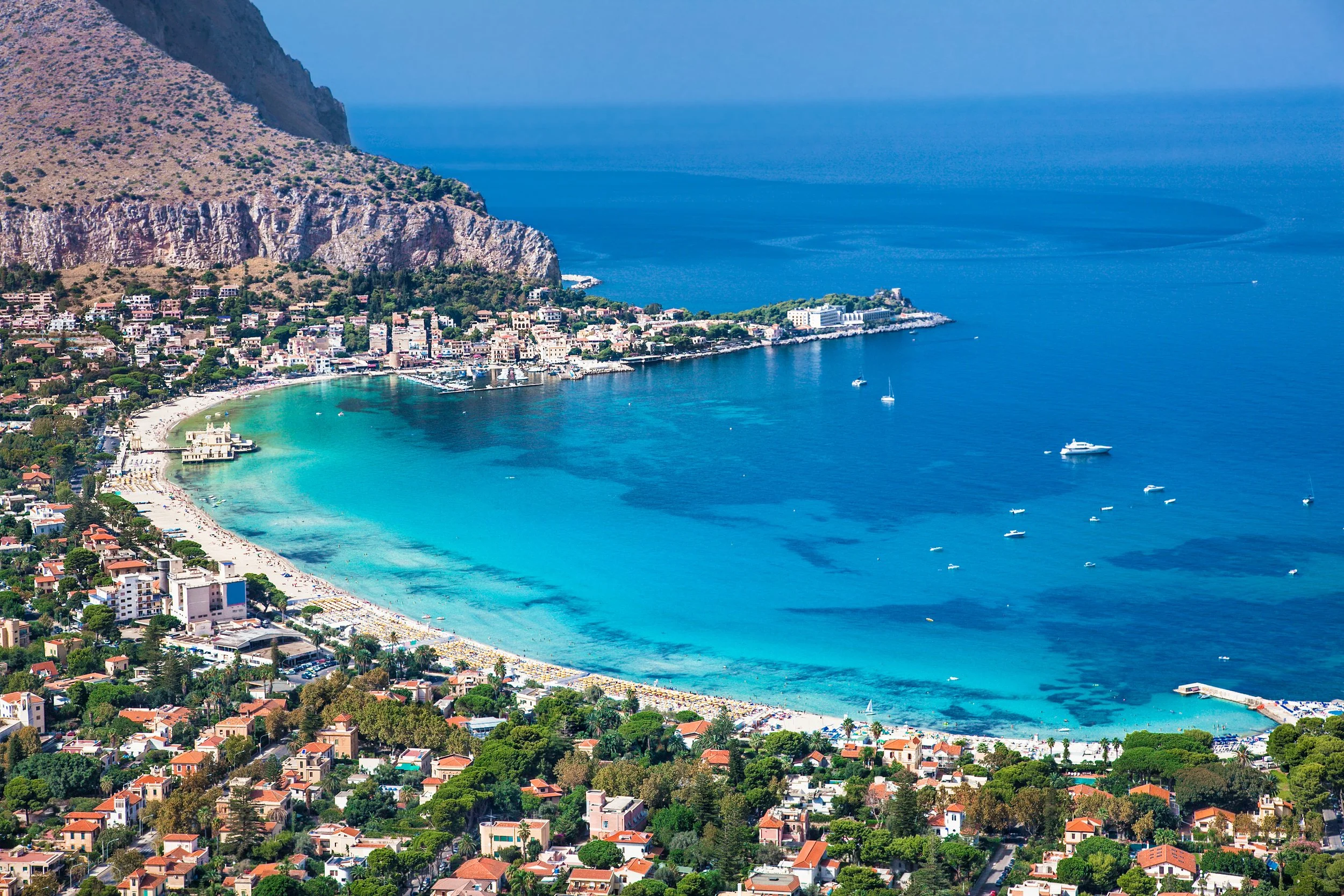
Italy · Best June, Early July & September
Italy in summer is magnificent — and ruthlessly popular. The key is knowing which version of Italy to chase. Rome and Florence in August are both sweltering and packed. But the Amalfi Coast in June? Sicily in late summer? The Dolomites in July? These are among the finest travel experiences on the planet.
The Amalfi Coast
The stretch of coastline between Positano and Ravello remains one of the most dramatic and romantic places in the world. In summer, this translates to sailing between villages, eating under lemon pergolas, and watching the sun set behind Monte Faito from a clifftop terrace. It also translates to traffic jams on the coastal road and 6am queues at the famous beach clubs — so structure your days wisely. Stay in Ravello for altitude and tranquility, or base yourself in Praiano, less photographed than Positano but equally beautiful. Combine with a boat day to Capri for the full Amalfi experience.
Sicily — the Standout Summer Value in Italy
While the Italian mainland has seen notable price rises, Sicily continues to offer extraordinary value. Four-star hotels in Taormina, Siracusa, and Palermo average €120–€170 per night, and dining — fresh grilled swordfish, Baroque-town aperitivo, volcanic island wine — runs €15–€25 for a full meal. The island is also geographically compelling for multi-stop trips: the Greek temples at Agrigento are older than the Parthenon; the Aeolian Islands offer volcanic beaches reachable by ferry; and the Baroque towns of Noto and Ragusa are among the most visually striking in all of Italy. Avoid Ferragosto (mid-August) and aim for June or September.
Tuscany & the North
For travelers who want culture and countryside over coast, Tuscany in early summer is hard to beat — rolling hills of golden wheat and cypress, wine estates in full season, Florence relatively emptied of tourists before July hits. The Dolomites are a summer revelation for those craving cooler temperatures: the dramatic spires of the Tre Cime di Lavaredo are as otherworldly as any landscape in Europe, and the valley villages of Cortina and Ortisei have excellent luxury hotels.
Italy Summer Planning — Quick Facts
- Best Time June and September for South; July for Dolomites and North
- Avoid August in Rome, Florence, Venice if possible
- Top Picks Amalfi Coast, Sicily, Puglia, Cinque Terre (early), Dolomites
- Book Amalfi and Cinque Terre accommodations 4–6 months ahead
- Itinerary Idea Rome to Amalfi to Sicily makes a spectacular 10–14 day tour
03
Spain in Summer
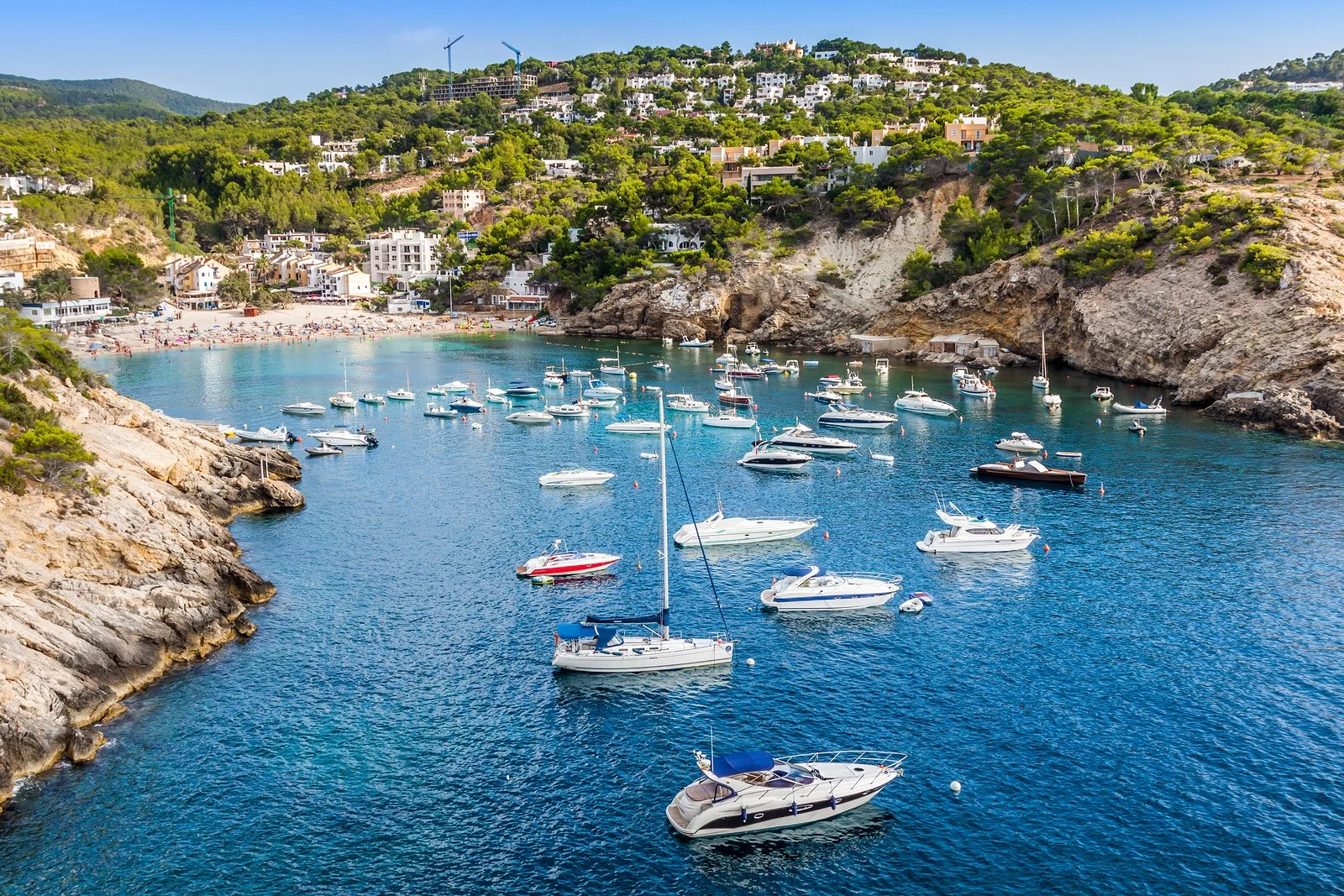
Spain · Best June & September in the South; July–August for Islands
Spain's summer is long, hot, and gloriously alive. The challenge is managing the heat — Seville and Madrid can hit 40°C in July — but with the right base and the right timing, Spain delivers some of the most joyful, sensory-rich travel in all of Europe.
Seville — Condé Nast's Top Spanish Pick for 2026
Condé Nast Traveler spotlighted Seville as one of its standout European destinations for 2026, and it's easy to see why. The city has evolved into one of Spain's most exciting food and nightlife destinations, with a new wave of inventive tapas bars sitting alongside centuries-old Andalusian taverns. The Real Alcázar, the Cathedral, and the Barrio Santa Cruz are world-class sights in a compact, walkable city. The key caveat: July and August are ferociously hot, so June or September are by far the best months. Seville in the golden hour of a June evening is one of the finest things in European travel.
Barcelona
For urban summer energy, Barcelona is without peer. Beach in the morning, Gaudí in the afternoon, tapas and cocktails in Gràcia or El Born in the evening — the city flows seamlessly between culture and pleasure. It's busy in summer, but large enough to absorb the crowds. The Barceloneta beach is chaotic in August; discover Bogatell or Nova Icaria for something calmer. Combined with a trip to the Costa Brava or a ferry to Ibiza, Barcelona makes a perfect summer hub.
Ibiza — the Surprising Summer Sweet Spot
Known for its superclubs and mega-yachts, Ibiza has a quieter, more beautiful side that makes it genuinely one of Europe's most compelling summer islands. Boutique finca hotels, wild northern coves, ancient clifftop villages, and some of the best restaurant food in the Balearics. Package prices are actually down slightly this year, making it a surprisingly good-value pick for a luxury escape. Aim for late May, early June, or mid-September to avoid the height-of-season frenzy.
Mallorca — Refined and Underrated
Mallorca's transformation from package-holiday island to sophisticated Mediterranean destination is well underway. The Serra de Tramuntana mountains (UNESCO protected) are extraordinary, Palma's old city is genuinely beautiful, and the hidden villages of Deià and Valldemossa are among Spain's most charming. Four-star boutique hotels in quiet coastal areas average €130–€180 per night in June. Go in early June or September for maximum beauty and minimum crowds.
Spain Summer Planning — Quick Facts
- Best Time June for southern Spain; July–August for Balearics and Costa Brava
- Avoid Inland Andalusia in August — extreme heat
- Don't Miss Seville, Barcelona, Ibiza, Mallorca, San Sebastián
- Tip San Sebastián's pintxos scene is at its best in summer — pair with a coastal road trip
- Combined Tour Spain + Italy makes a brilliant 12–14 day summer itinerary
04
France in Summer
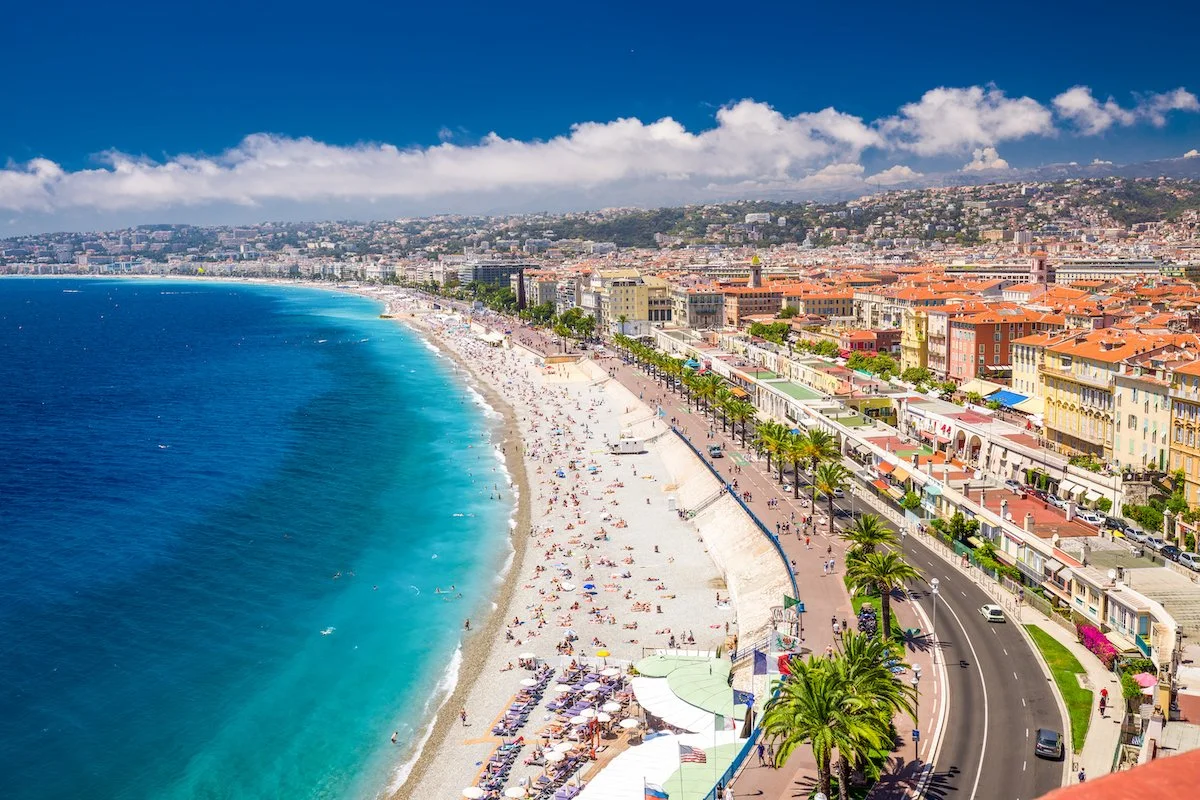
France · Best June–September
France has seen some of the sharpest price increases in European summer travel — some regions up over 22% on package prices — but it remains one of the most rewarding summer destinations in the world if you approach it smartly. The French Riviera is iconic for good reason; Provence in lavender season is genuinely magical; and Paris in June (before the August exodus) is a completely different experience from the tourist-heavy midsummer city.
The French Riviera
Nice, Antibes, Cap Ferrat — the Côte d'Azur in summer is as glamorous as travel gets. The water is extraordinary, the old towns are beautiful, and the food (socca, salade niçoise, rosé) is perfect summer eating. It's expensive, especially anything close to Monaco or Cannes in July, but the nearby town of Cassis and the Calanques — turquoise inlets accessible only by boat or foot — offer spectacular beauty without the St Tropez price tag. A Rome to Nice to Barcelona tour route is one of our most popular summer itineraries.
Provence — Lavender Season
Late June to mid-July is lavender season in Provence, and the fields of the Luberon and the Plateau de Valensole are genuinely one of the most beautiful sights in all of Europe. Boutique hotels and chambre d'hôtes in hilltop villages like Gordes, Roussillon, and Lourmarin average €140–€200 per night — luxurious, but far below Riviera resort rates. The Luberon is also incredibly well-placed for day trips to Aix-en-Provence and Arles, making it an ideal base for a slow, immersive southern French holiday.
Paris in June
Paris in June — before the schools break and the main wave of summer tourism hits — is one of the great urban summer experiences. Long evenings, outdoor dining everywhere, the Paris markets in full swing, and a cultural calendar that includes Estate Romana-style events and summer exhibitions. Book restaurants three to four weeks ahead for the best places; book hotels well in advance for anything with a view of the city's rooftops.
France Summer Planning — Quick Facts
- Best Time June for Paris and Provence lavender; July–August for Riviera
- Avoid Cannes during Film Festival (May) and late August in Paris
- Don't Miss Cassis & Calanques, Luberon villages, Nice Old Town, Loire Valley
- Price Note Book 3–4 months ahead — France has seen the biggest price rises in Europe
- Tours Tailor-made France itineraries from Discovery Escapes
05
Croatia & the Adriatic
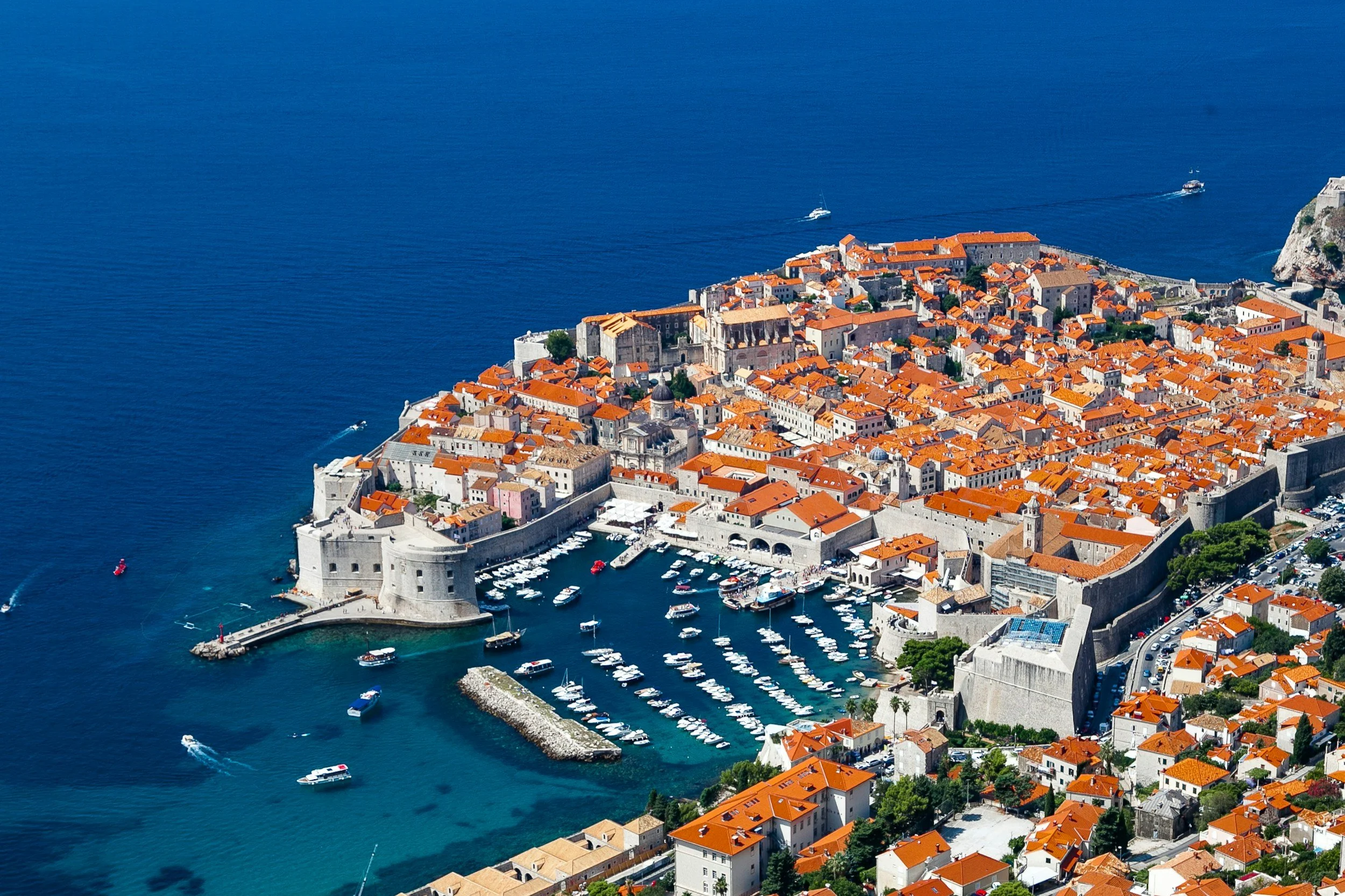
Croatia · Best June & September
Dubrovnik remains one of the most stunning walled cities in Europe — the Game of Thrones effect has worn off a little, but the old city's impact is absolutely real when you walk those ancient walls at sunrise, with the Adriatic shimmering below you. The key is getting there before or after peak season: July and August are genuinely overwhelming, but June in Croatia is extraordinary — warm, clear, and relatively crowd-free.
Beyond Dubrovnik, the Dalmatian Coast reveals its treasures in islands like Hvar and Korčula. Korčula — with its medieval old town and excellent local wine — is increasingly on the radar as an alternative to the more touristy Hvar. The islands are connected by regular ferries, making island-hopping an excellent itinerary structure. A Dubrovnik-to-Athens sailing or tour route combines Croatia's Adriatic beauty with the Greek islands in one spectacular summer journey.
06
Portugal in Summer
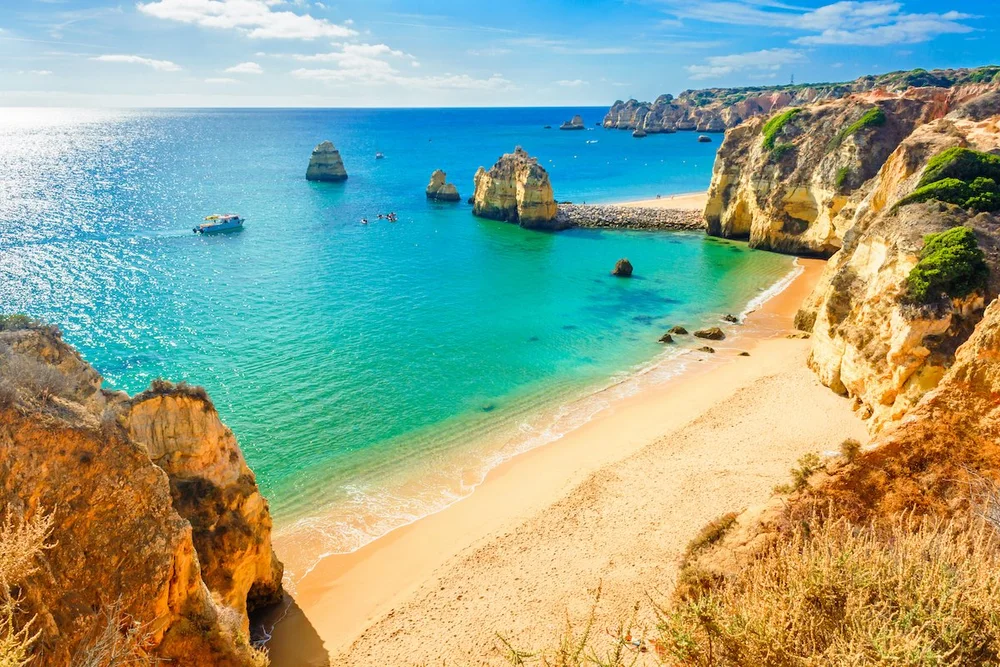
Portugal · Best June–October
Portugal has seen significant price rises in recent years — up nearly 22% on package prices — but it remains one of the most culturally rich and geographically varied countries in Europe. The Algarve is the obvious summer draw, with its extraordinary sea-stack beaches and dramatic cliff formations, but the smart summer traveler looks beyond it.
The Alentejo, Portugal's sun-baked interior, is at its most atmospheric in summer: vast cork forests, medieval villages, wine estates, and a pace of life that's entirely its own. The Douro Valley vineyards reach peak green in summer, and Lisbon's outdoor cultural calendar — open-air cinema, late markets, rooftop bars spilling into warm nights — is one of the most enjoyable city experiences in Europe. For somewhere truly off the radar, the Minho in northern Portugal is green, food-obsessed, and barely touched by tourism.
Portugal Summer Planning — Quick Facts
- Best Time June–September; cooler and quieter than Aug if possible
- Don't Miss Lisbon, Sintra, Alentejo, Douro Valley, Comporta beach
- Hidden Gem Comporta — Portugal's answer to the Hamptons, still relatively unknown
- Tours Custom Portugal itineraries including multi-country options
07
Slovenia — Europe's Hidden Gem
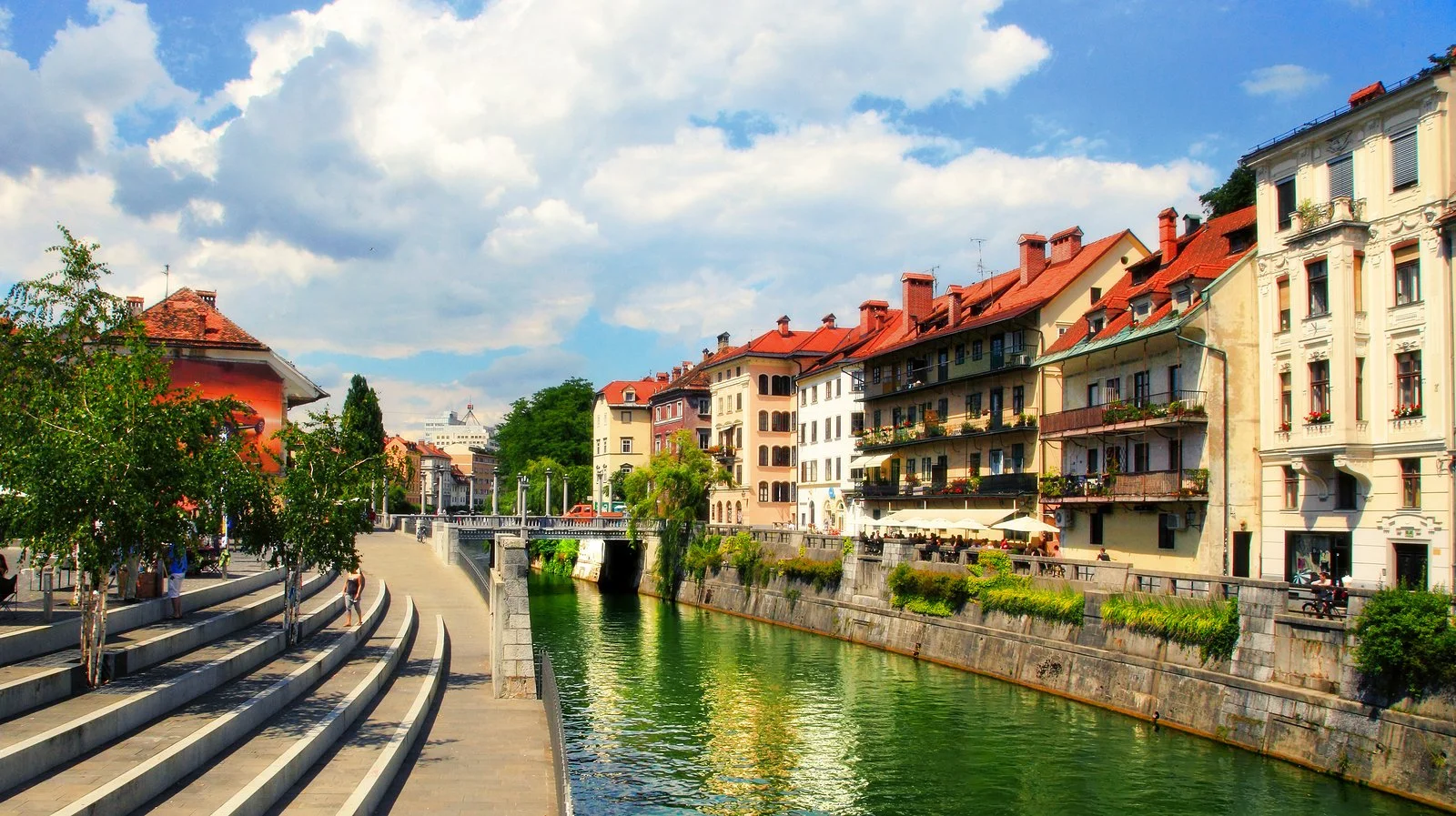
Slovenia · Best June–September
Condé Nast Traveler named Slovenia's Upper Carniola region (Gorenjska) one of its best European destinations for 2026, calling it "a gem hiding in plain sight." For those who know it, this is long overdue recognition. The Julian Alps, Lake Bled, and Triglav National Park make Slovenia one of the most visually spectacular small countries in the world — and one of the least visited compared to its neighbours.
Lake Bled in summer is the centrepiece: a sky-blue lake with a fairy-tale island church and a medieval castle on a clifftop above it. It's postcard-perfect, obviously, but also genuinely serene compared to the more touristed Alpine destinations. A new museum opening at Bled Castle in 2026, the Lah Museum featuring 800+ works from one of Slovenia's finest private collections, adds genuine cultural depth to what's already an extraordinary natural setting. Nine Michelin-starred restaurants, including three-starred Hiša Franko under Chef Ana Roš, make this a serious food destination too.
Fly into Ljubljana, explore the beautiful capital for a day, rent a car, and you have access to some of the finest landscape in Europe within an hour.
08
Scandinavia & Finland — for the Midnight Sun
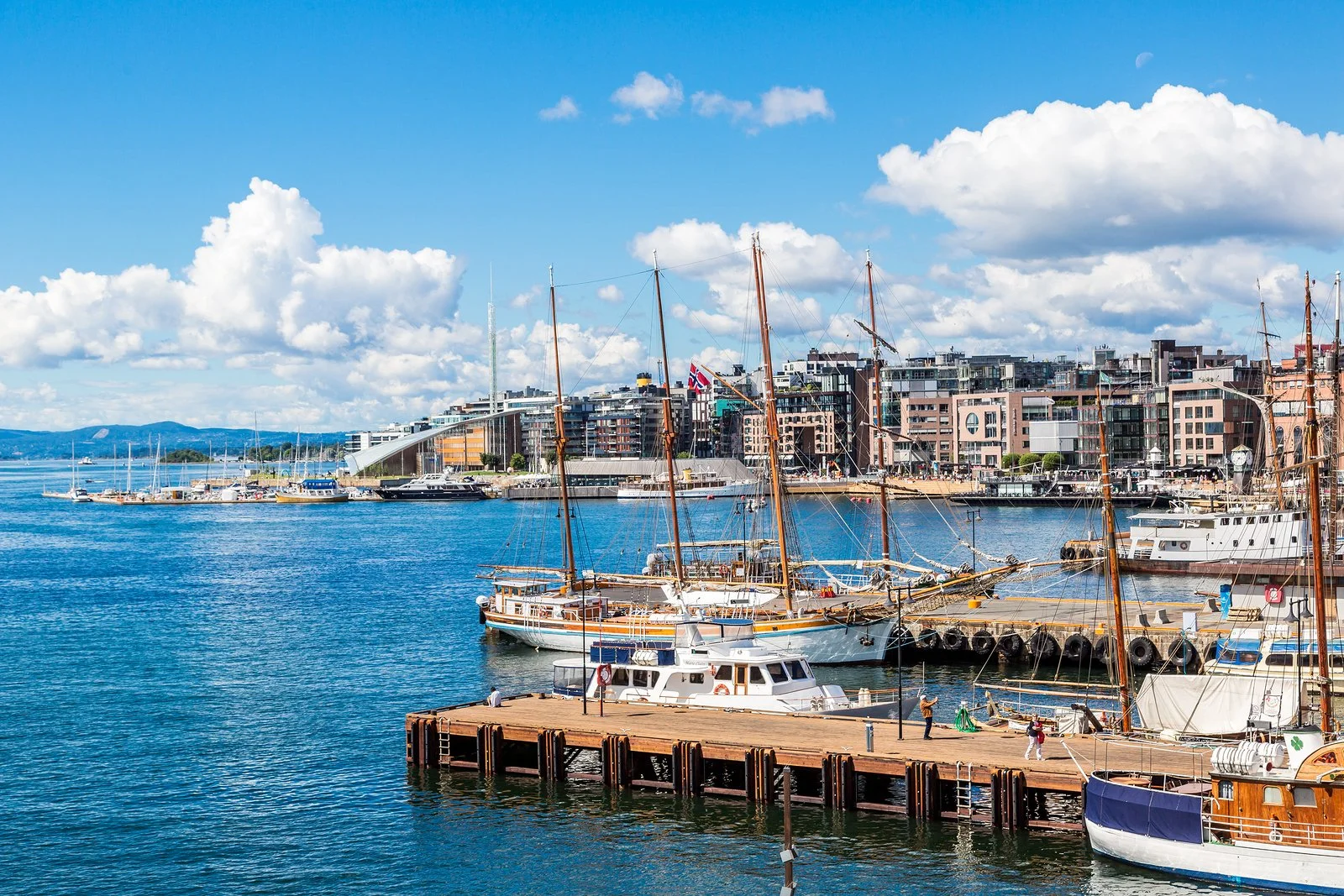
Norway, Sweden, Denmark, Finland · Best June–August
Summer in Scandinavia is a completely different kind of European experience — and one that's becoming increasingly popular as Mediterranean heat intensifies. The midnight sun in northern Norway, the archipelago islands of Sweden, the extraordinary Copenhagen food scene, and Finland's national obsession with lakes and saunas: these are bucket-list experiences with a completely different energy to the southern European beach holiday.
Oulu in Finland is named European Capital of Culture for 2026 and is recommended by six major travel publications including Condé Nast Traveler, Afar, National Geographic, and CNN. It's a genuinely fascinating destination this year — with a year-long programme including avant-garde digital art, sauna culture, and an extraordinary food scene celebrating northern ingredients. Pair it with a visit to the Finnish lake district and Helsinki for a Scandinavian summer that's unlike anything else.
Norway's fjords — Geirangerfjord, Nærøyfjord — are at their most accessible and beautiful in summer, with longer days meaning you can take the famous Flåm Railway or a fjord cruise in extraordinary evening light.
09
The French Alps & Switzerland
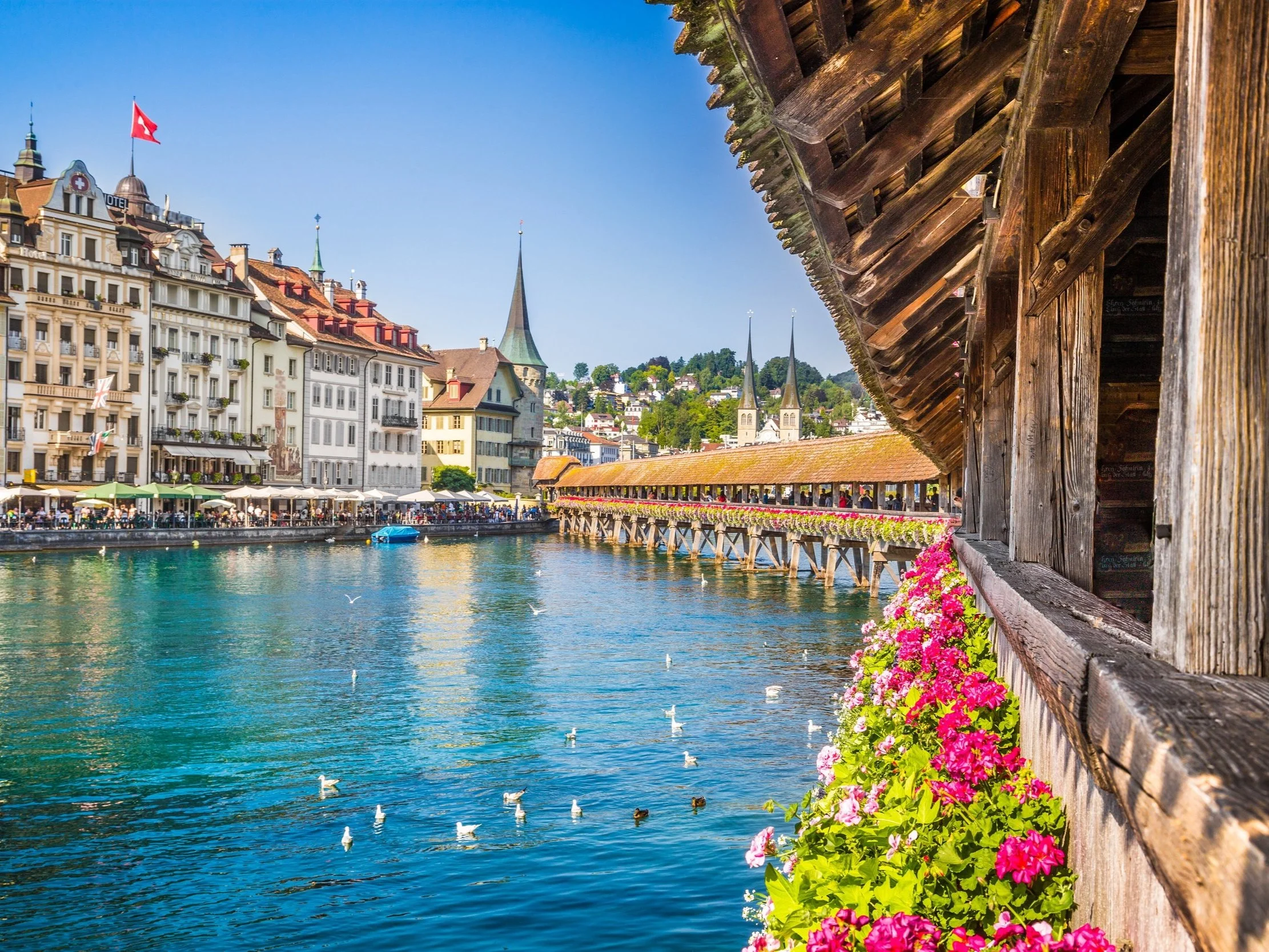
France / Switzerland · Best July–August
For summer travelers who want dramatic landscapes, cooler temperatures, and a very different pace from the Mediterranean coast, the Alps are spectacular. Hiking, mountain biking, and paragliding through alpine meadows and past glaciers: the Swiss Alps offer a refined, physical summer that's genuinely world-class.
Saint-Gervais-les-Bains in Haute-Savoie is singled out by Condé Nast Traveler for 2026 as an alpine destination undergoing a sustainable travel transformation, with a revamped Mont Blanc Express railway making it easier than ever to reach from Geneva by rail. The combination of Belle Époque spa architecture, direct Mont Blanc views, and excellent French mountain food makes it a compelling luxury summer alternative to the beach.
How to Plan the Perfect Summer Europe Trip
The biggest mistake European summer travelers make is booking too late, moving too fast, or concentrating entirely on the obvious. Here's what actually makes a summer European trip exceptional:
Book Early — Much Earlier Than You Think
For the best 4- and 5-star hotels in peak summer destinations, booking windows of four to six months are increasingly standard. The finest cliff-side hotels in Santorini, the best finca properties in Ibiza, the most sought-after Amalfi Coast terraces — these are gone within days of opening for summer reservations. Aim to have your key accommodations confirmed by February or March for a June-to-August trip.
Shoulder Season Is Often Better
June and September offer a compelling combination: warm weather, long evenings, better hotel rates, and significantly reduced crowds at major sites. This is especially true in Italy (avoid Ferragosto entirely if possible), Greece (Cyclades in September are extraordinary), and Spain (Seville in September is still warm but transformed from its August state).
Multi-Country Itineraries Work Brilliantly
Summer in Europe is an ideal time for multi-destination tours. The combination of excellent train and ferry links, long days that maximize your time at each stop, and the natural variety of European geography — coast, city, countryside — means a well-structured 10–14 day itinerary can take you through two or three countries without feeling rushed. Routes like France and Italy, Spain and Italy, or a Greek island circuit are perennial favorites for good reason.
Don't Over-Schedule
Europe in summer rewards slowness. The best moments — a long lunch that turns into an afternoon in a shaded piazza, a spontaneous boat trip to a cove nobody told you about, a taverna dinner that stretches past midnight — don't happen when you're rushing from one attraction to the next. Build in breathing room. Give each destination time to reveal itself.
Consider the Heat
Climate change has made southern European summers significantly hotter than they were a decade ago. Seville and Rome can reach 40°C+ in August, the Acropolis has had to close midday during heatwaves, and wildfires have affected parts of Greece and Turkey. This makes itinerary structure more important: plan sightseeing for early mornings and evenings, prioritize shaded terraces and air-conditioned interiors midday, and genuinely consider June or September over August for hot destinations.
Frequently Asked Questions
Where is the best place to travel in Europe in summer?
The best European summer destinations depend on what you're looking for. For beaches and islands, the Greek islands and the Amalfi Coast are unbeatable. For culture and nightlife, Barcelona and Seville lead the pack. For dramatic landscapes, the Dolomites, Norwegian fjords, and Slovenian Alps deliver world-class scenery. For a combination of all three, a well-planned multi-country tour hits the sweet spot.
What is the best month to travel in Europe in summer?
June is the most underrated summer month in Europe. The weather is warm throughout the continent, prices are lower than July–August, major sites are less crowded, and many cultural events (Provençal lavender, outdoor festivals, Portuguese summer nights) are at their best. September is the other intelligent choice — summer temperatures linger in southern Europe, and the crowds have thinned considerably.
Which European country is best to visit in summer?
Greece consistently tops the rankings for overall summer travel satisfaction — the combination of islands, food, history, and warmth is hard to match. Italy is close behind, especially for cultural richness and gastronomy. For those wanting cooler conditions, Scandinavia and the Austrian/Swiss Alps offer extraordinary summer experiences at the opposite end of the temperature spectrum.
What is the least crowded part of Europe in summer?
Slovenia, the Albanian Riviera, Alentejo in Portugal, Latvia's Baltic Coast, and the Peloponnese in Greece are among the least crowded destinations. For off-the-beaten-path island experiences, Naxos over Mykonos, Korčula over Hvar, and Procida over Capri are smart swaps that keep you in the beauty of the Mediterranean without the tourist density.
When should I book a summer Europe trip?
For June and July travel, aim to book by February–March. For August, even earlier — the best hotels in the most popular destinations are fully booked by January. If you're booking a tailor-made or custom tour, six months ahead is the professional recommendation. Shoulder season (June or September) bookings are more forgiving — four to six weeks can be enough for some destinations, but two to three months is always safer for the best options.
Plan Your Summer Europe Trip
Discovery Escapes creates custom, tailor-made European itineraries for travelers who want extraordinary experiences without the stress of planning it themselves. Tell us where you want to go, and we'll build the perfect summer trip around it.
Start Planning